
Last updated November 16, 2026
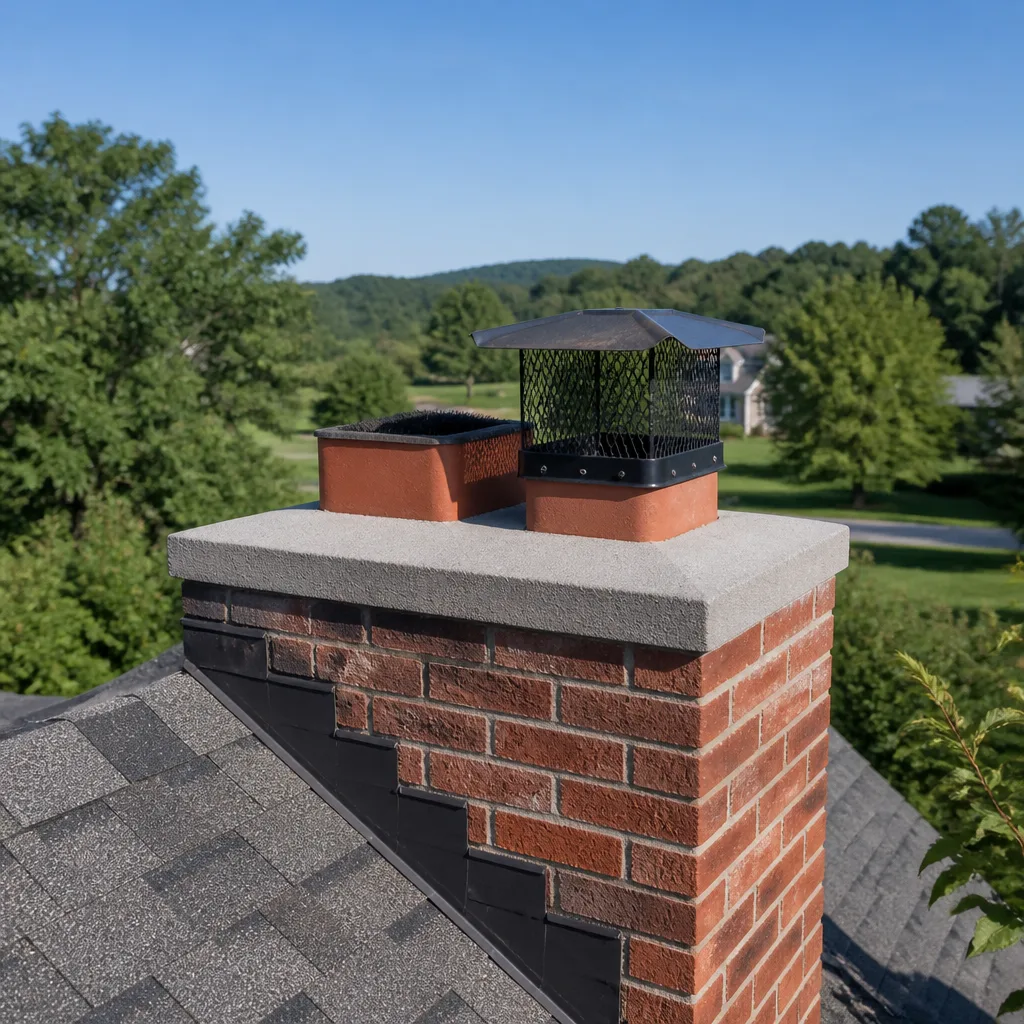 Sweep & inspection
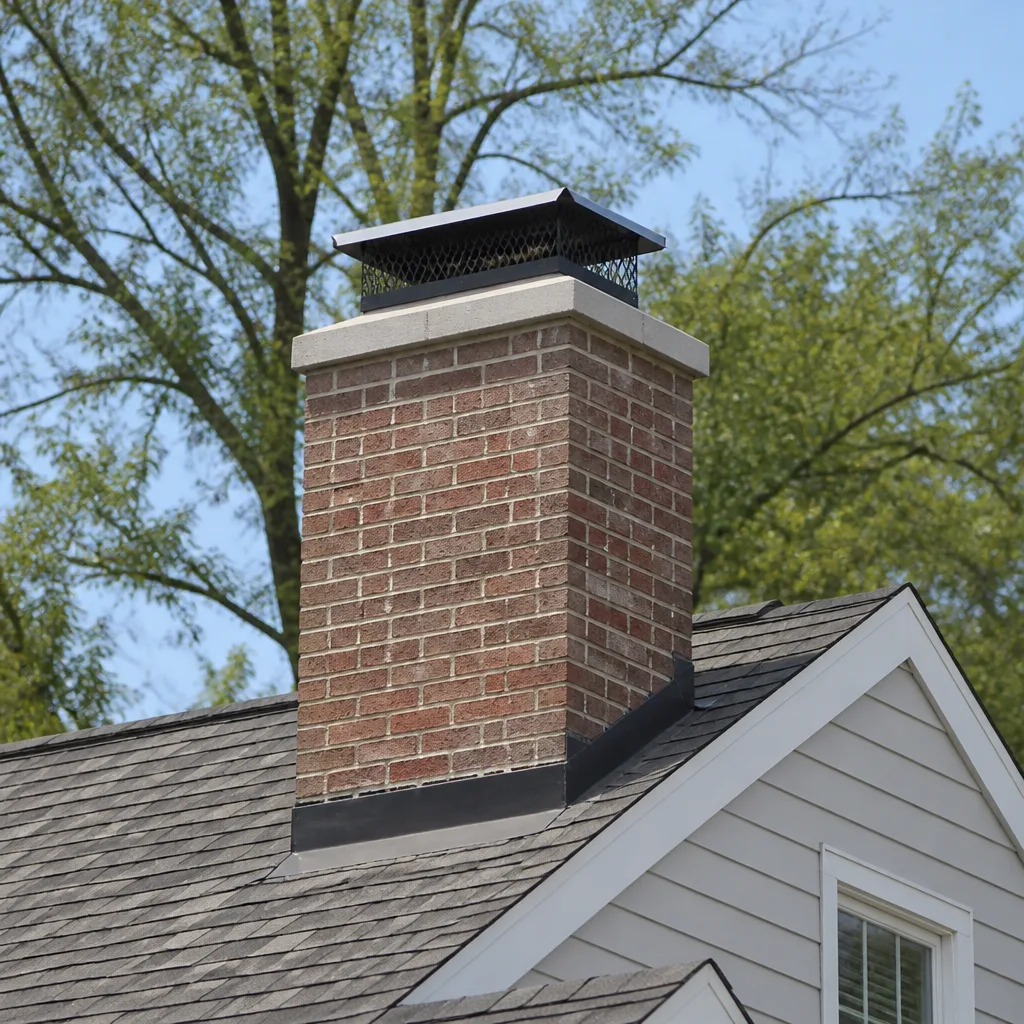 Caps & crowns
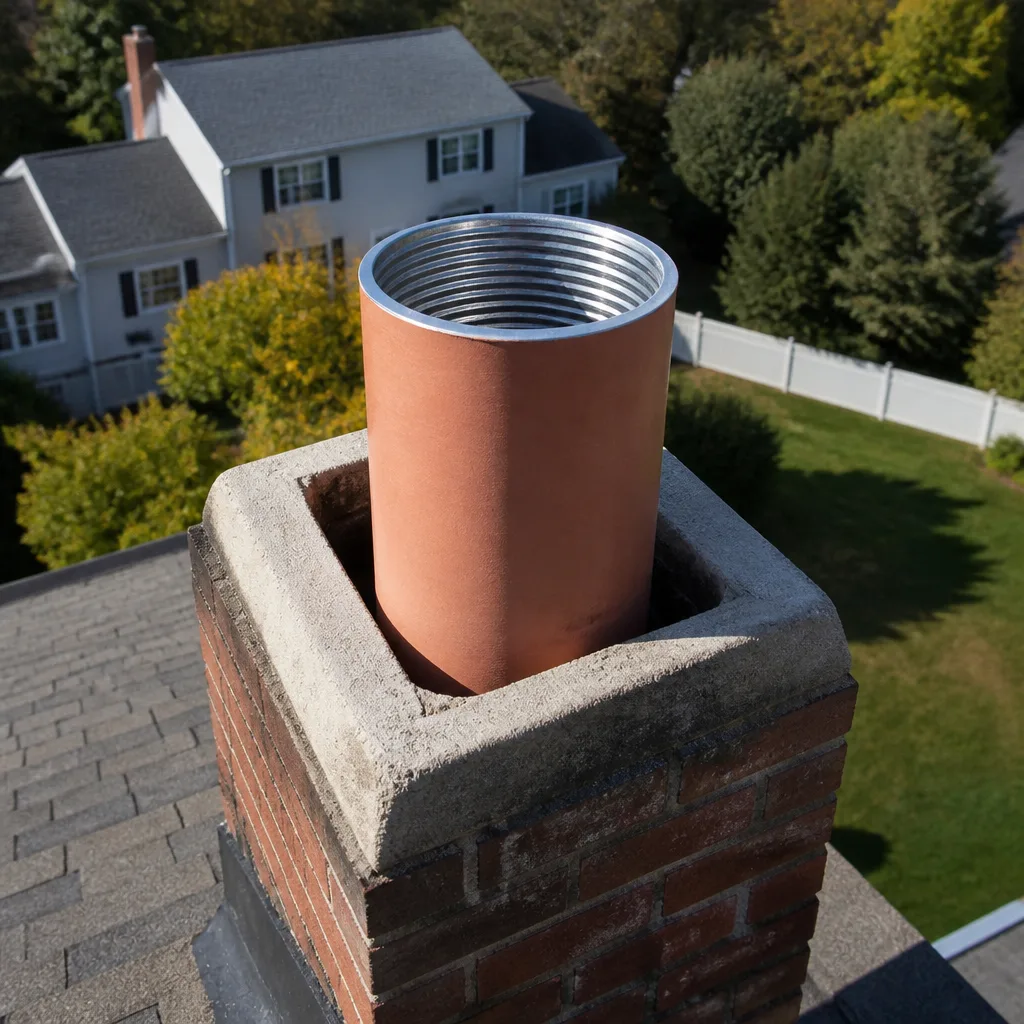 Flue relining
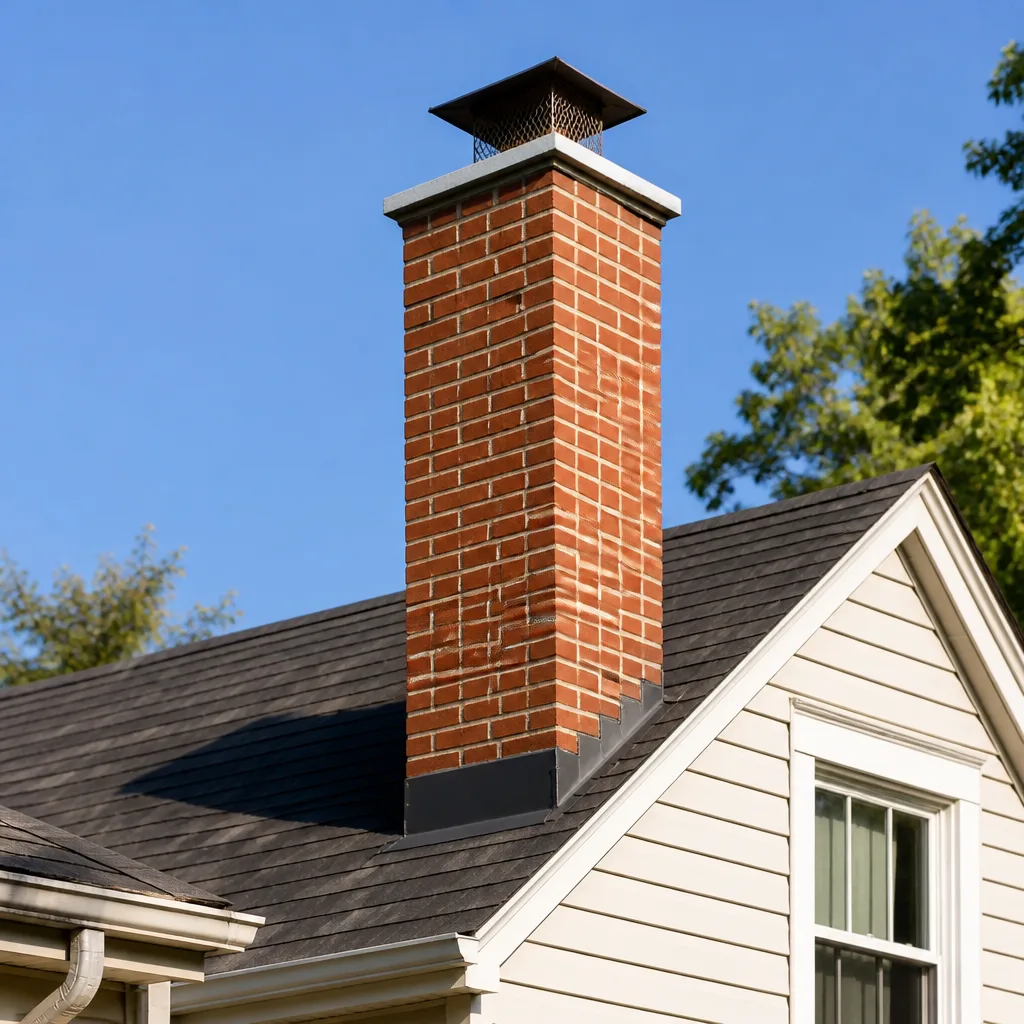 Masonry repair
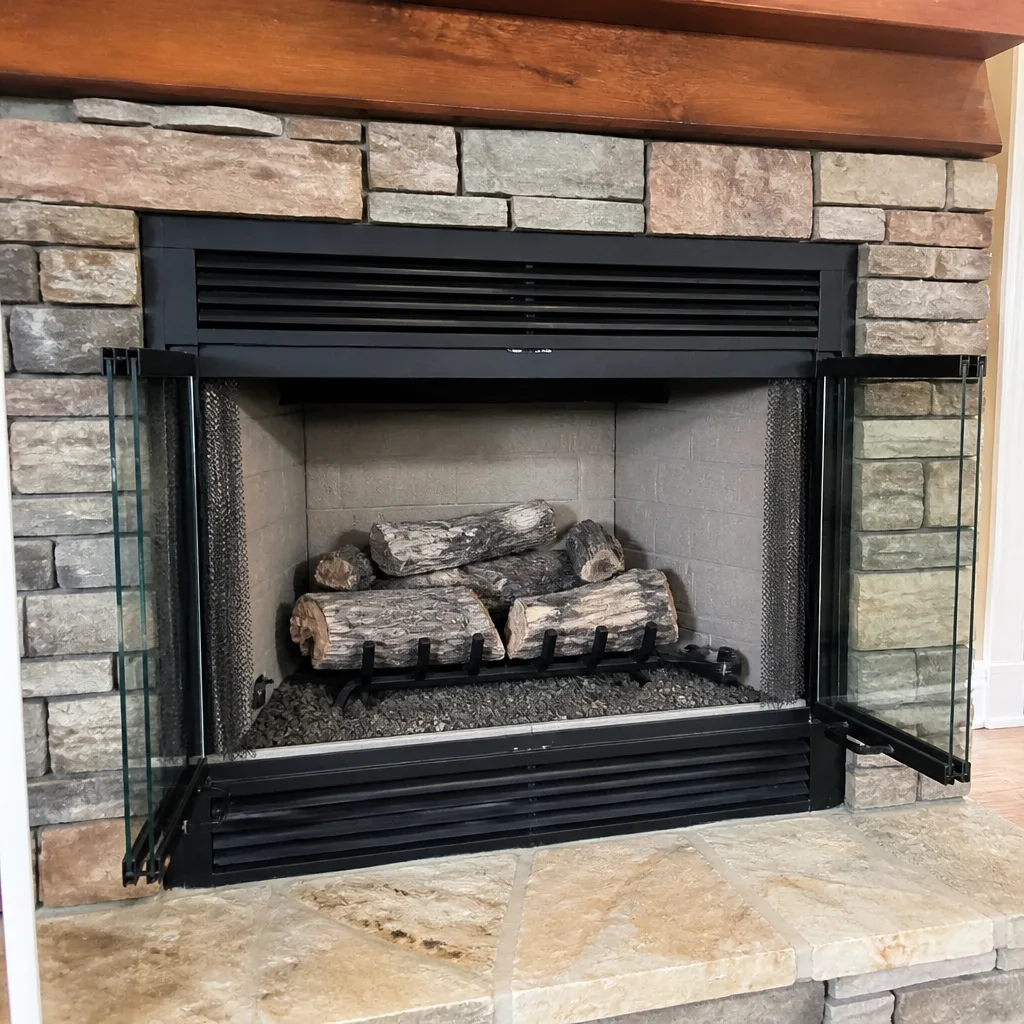 Gas fireplace service
Level 1 sweep and inspection to the NFPA 211 annual standard - flue, crown, cap, and flashing checked and photographed
Chimney sweep logs do not sweep chimneys. They loosen some creosote - which then falls where a brush and vacuum still have to collect it.
Chimney Sweep Maintenance Checklist for Conroe Homeowners
The item Conroe homeowners skip most on chimney maintenance isn’t the flue. It’s the crown and the chase cover on top. That thin slab of mortar and the metal cap above it take the worst of what this area throws at a roof: spring storms that drive rain sideways, and a mild winter that still manages a handful of hard freezes each year. Water gets in through a hairline crack, sits against the brick, and works its way down to the firebox long before anyone lights a fire. This guide gives you a season-by-season checklist built for a Conroe chimney, not a generic one, so you know what to look at, what to leave to a professional, and what to write down.
Quick Answer
A Conroe chimney needs three checks a year: a look at the crown, cap, and exterior brick after storm season and after the last freeze; a monthly visual check of the firebox and damper while you’re using the fireplace; and a professional sweep and camera inspection based on how much you burn, not a date on the calendar. Most homes that see regular winter fires need a sweep roughly once a year, while light users can stretch it. Water intrusion and biological growth are as much a threat here as creosote, so the exterior matters as much as the flue.
Styles & brands we work with
- Sweep & inspection
- Caps & crowns
- Flue relining
- Masonry repair
- Gas fireplace service
Table of Contents
- Why a Conroe Chimney Ages Differently
- The Exterior Checklist: Crown, Cap, and Brick
- Reading Efflorescence Before Water Reaches the Firebox
- The Damper Check: What a Good Seal Feels Like
- What You Can Safely Check Yourself vs. What Needs a Camera
- Creosote, Soot, and How Often to Sweep
- The Documentation Habit That Pays Off at Resale
- Building a Seasonal Schedule Around Conroe Weather
Why a Conroe Chimney Ages Differently
A chimney in a dry, cold climate fights one enemy: moisture from the flue. A Conroe chimney fights several at once, and they don’t all come from the fire. Our humidity is high most of the year, which keeps masonry damp and gives mold, mildew, and algae a place to grow on north-facing brick. Summer thunderstorms dump rain hard and fast, sometimes driven almost horizontally, and that’s when a failing crown or a missing cap lets water in. Winters are mild, but they aren’t absent. The area does get hard freezes, and water that soaked into brick or mortar during the fall will expand when it freezes and open the crack a little wider each time.
Put those together and you get a chimney that fails from the outside in as often as the inside out. The flue stays the priority because creosote is a real fire hazard. But if you only think about the flue, you’ll miss the water damage that quietly rots the mortar around it. In our experience around Conroe, the homes that last longest are the ones where the homeowner treats the chimney as an exterior structure first and a flue second.
There’s a building-science reason for this. Brick and mortar are porous. They’re designed to get wet and dry out, and they handle it well as long as water can escape. The problems start when water gets in and can’t get back out: behind a sealed cap, under a crown that’s separated from the flue, or into a chase that has no way to drain. Once moisture is trapped, freeze cycles finish the job. So the goal of exterior maintenance isn’t just to keep water out. It’s to keep the masonry able to dry, which means clear drainage and intact surfaces.
The Exterior Checklist: Crown, Cap, and Brick
The exterior is where most Conroe chimney problems start and where the cheapest fixes live. Walk your checklist after the spring storm season, after the first hard freeze of winter, and once more in early fall before you start burning. You don’t need to climb anything for most of it. Binoculars from the yard work fine for the top, and a hands-on look at the lower brick is safe from the ground.
- Crown: Look for cracks wider than a hairline, for a crown that’s pulling away from the flue pipe, and for a crown that slopes toward the flue instead of away from it. A crown is supposed to shed water outward and off the roof.
- Chase cover or cap: If you have a metal chase cover (common on framed chimneys), check for rust-through, loose screws, and gaps at the seams. A spark-arresting cap over a masonry chimney should sit level and be firmly attached.
- Mortar joints: Run your eye down the brick. Crumbling, sandy, or recessed mortar between courses means water is getting in and the joints need repointing.
- Brick faces: Spalling brick, where the face flakes off and exposes a rough center, is a sign of repeated wetting and freezing.
- Flashing: Where the chimney meets the roof, the metal flashing should be tight and sealed. Lifted or missing flashing is a roof leak waiting to run down the chimney.
- Biological growth: Green or black streaks on the brick, moss at the base, or anything growing in the joints tells you that surface stays wet too long.
Any of those findings is fixable, and most are cheaper caught early. A cracked crown repaired before water gets behind it is a small job. The same crack left for two wet seasons can mean the top of the chimney has to be rebuilt. None of this is about frightening you into work. It’s about the order things fail in.
Reading Efflorescence Before Water Reaches the Firebox
If you remember one exterior warning sign, make it this one: white, chalky staining on the brick. That’s efflorescence, and it’s the first visible signal that water is moving through your masonry. It forms when water dissolves salts inside the brick or mortar, travels to the surface, and evaporates, leaving the salts behind as a powdery white bloom. It doesn’t ruin the brick on its own. What it tells you is that water has found a path through the wall, and the firebox is downstream.
Efflorescence is easy to confuse with two other things, so here’s how to tell them apart:
- Efflorescence is white and powdery. It dissolves in water, and if you rub it, it turns to dust. It usually appears in irregular patches, often low on the chimney and near joints.
- Mold and mildew are green, black, or gray, and they’ll smear when you rub them. They point to a moisture problem too, just a different one, often on a shaded or north-facing side.
- Mortar smear is a solid, hard, cream-colored film left by sloppy masonry work. It doesn’t rub off as dust and it doesn’t reappear after cleaning.
Efflorescence on a Conroe chimney most often shows up low on the structure, right where rain splashes off the roof or off a nearby surface. If you clean it off and it comes back, the water source is still active, and that’s the signal to bring in a professional. Cleaning the stain without fixing the water path just hides the warning. By the time efflorescence is heavy and recurring, water may already be reaching the damper frame and firebox, which is when you start seeing rust or white crust inside the firebox itself. Catching it at the brick stage is the whole point of checking.
The Damper Check: What a Good Seal Feels Like
The damper is the metal plate above the firebox that seals the flue when the fireplace isn’t in use. A damper that doesn’t seat correctly lets heated air out of the house all winter and lets outside air, and sometimes rain and pests, in. You can check it yourself, safely, without a fire in the fireplace, and knowing what “right” feels like makes the wrong obvious.
A properly seating damper has three characteristics:
- Smooth travel. The handle or lever moves through its full arc without grinding or catching. A damper that’s stiff, or one that sticks partway, usually needs its pivot or track cleaned and lubricated.
- A solid seat at the close position. When you close it, the plate should land firmly against the frame with no wobble. You should be able to feel it settle. If it rocks, the frame or the plate is warped or the hinge is worn.
- No daylight or gaps. Shine a flashlight up at the damper from below with the room dark. If you see light around the edges when it’s closed, it isn’t sealing.
What you don’t have to do is force anything. A damper that won’t move is telling you something is wrong, and forcing it can bend the plate or break the frame. On some chimneys you’ll find a top-sealing damper instead, which is a cap-mounted unit operated by a cable or chain from the firebox. Those need the same attention, and the mechanical components above the flue are often where the small parts come from, which is why a company that keeps genuine parts like Famco on hand can usually sort a damper problem in a single visit rather than ordering and returning. If your damper is warped past sealing, a replacement is a small, contained job compared to the heat loss it’s costing you.
What You Can Safely Check Yourself vs. What Needs a Camera
Here’s the honest split. Some of a chimney inspection is a homeowner’s job, and some of it genuinely requires a trained eye, a camera, and the judgment to know what you’re looking at. Knowing which is which keeps you safe and keeps you from wasting money on things you can see yourself. It also tells you when a sweep’s report is legitimately pointing at something.
Homeowner checks (safe, from the ground or with the fire out)
- Exterior brick, mortar, crown, cap, and flashing from the yard, as covered above.
- Efflorescence, mold streaks, and spalling on the brick.
- The firebox interior: look for cracked firebrick, gaps in the mortar between firebrick, rust on the metal, and any white crust that signals moisture.
- The damper: feel for smooth travel and a firm seat, and check for light gaps.
- The smoke chamber and throat from below with the fire out and the damper open (visual only, from the firebox, not by reaching up).
- Creosote buildup visible on the firebox walls and at the top of the firebox.
Professional-only checks
- The inside of the flue from top to bottom. A camera inspection shows the condition of the liner, gaps at joints, and buildup you cannot see from below.
- The smoke shelf and smoke chamber, where the flue widens and where most hidden creosote collects.
- The top of the flue and the crown from the roof, which requires safe access and a trained eye for hairline issues you can’t see from the ground.
The reason the camera matters is that the flue is where the money-gets-spent mistakes hide. A homeowner can see a crack in the firebox. Almost no homeowner can tell whether a stainless liner has a gap at a joint three feet down. A camera inspection, with a photo report you keep, means nothing gets recommended without evidence you can see for yourself. That’s the standard we hold ourselves to at Chimney Sweep Conroe, and it’s the one you should ask for from any sweep in Conroe.
Creosote, Soot, and How Often to Sweep
Creosote is the residue from burning wood, and it’s the reason chimney sweeping exists. It comes in stages. Soot and light dust wipe off easily. Glaze is harder, shinier, and denser. The thick, tar-like stage is the one that matters most because it’s the most flammable, and a hot fire in a glazed flue is the classic setup for a chimney fire. A sweep removes buildup before it gets to that point.
How often you need a sweep depends on how much you burn, not a calendar date. A general rule of thumb professionals use is to get swept when you’ve accumulated about a quarter inch of buildup, which many households reach after a season of regular fires. For a Conroe homeowner, the practical guide looks like this:
- Fires several times a week through the cool months: sweep once a year, and get a camera inspection with it.
- Occasional fires, a few times a month: check buildup each season and sweep when it reaches the quarter-inch mark.
- A fireplace you’ve hardly used, or a newly purchased home with an uninspected fireplace: get it inspected before the first fire, no matter how little you plan to burn.
- Any fire you’ve had that felt different: loud roaring, a smell of smoke, or visible flames at the top of the firebox calls for an inspection before you light another.
Burning dry, seasoned wood makes a real difference in how fast buildup forms, and it’s the single easiest thing you can do to reduce how often you need a chimney sweep. The wood should be split, stacked, and dried well before it goes in the fire. Green or wet wood smolders, produces more creosote, and costs you a cleaning sooner. A monthly look at the firebox walls and the top of the firebox tells you when it’s time.
The Documentation Habit That Pays Off at Resale
Almost nobody keeps a chimney log, and that’s a quiet miss. A simple three-line record after each fire season does two things: it tells the next professional exactly how the chimney has been treated, and it becomes a document a buyer’s inspector cannot argue with. When you sell a home in Conroe, an inspector will look at the fireplace, and a buyer will ask what’s been done. A log with inspection dates and reports turns a vague “I think we had it cleaned” into a record.
You don’t need anything fancy. A notebook or a note on your phone is enough. What to record:
- Dates of any professional sweep or inspection, and who did it, with any report or photo record kept alongside.
- Approximate burn frequency for each season (for example, “one or two fires a week, October to February”). This tells a professional how much creosote to expect.
- Anything you noticed: a damper that got stiff, a smell of smoke on a windy night, a white stain that appeared on the brick. Notes on what you observed help the next inspection focus on the right areas.
- Repairs and who made them, including any parts or materials used. If a liner or a damper was replaced, the model and brand belong in the log.
For insurance, the log is a record that maintenance was done, which is a different thing from a warranty on the work. It’s worth having either way. For resale, the photo report from a camera inspection is the strongest single document in the file, because it shows the actual condition of the inside of the flue on a given date rather than someone’s memory of it.
Building a Seasonal Schedule Around Conroe Weather
Calendars are a starting point, not a rule. Your Conroe chimney responds to weather, and the most useful way to schedule maintenance is to anchor it to the seasons that actually stress the structure. Here’s the schedule we’d suggest for a home in this area.
- After the spring storm season: the exterior walk. Check the crown, cap, flashing, mortar, and brick for anything the winter and heavy spring rain opened up. This is your best look at water damage while it’s still small.
- After the first hard freeze of winter: a quick exterior re-check. Any crack that widened over a freeze is worth catching now, before it takes on more water through the rest of the cool months.
- Early fall, before heavy use: the professional sweep and camera inspection. Get the flue clear and documented before you start burning regularly. This is also when a stiff damper or a warped one gets sorted before it costs you heat all season.
- Monthly through the burning season: the firebox and damper look, and a check for buildup.
- Any time the chimney has been through a strong storm: a look at the cap and chase cover for a missing or loosened piece. Water finding its way past a lost cap is a fast, quiet problem.
The product parts matter here. A crown that’s failing often needs resurfacing or rebuilding, and a cap that’s rusted through needs replacement with something that will hold up. This is where a sweep who works from genuine parts makes the difference: a Famco damper or a well-fitted chase cover does its job for years, while a hardware-store substitute is a return trip in your future. The same logic applies to the flue itself. If a camera inspection shows a damaged liner, the answer is a relining system professionals specify by name, like DuraFlex, rather than a generic liner that no one can confirm the specifications of. That’s the standard we work to at Chimney Sweep Conroe, and it’s why we cite the brands we use rather than calling them “premium” and moving on.
Common Mistakes to Avoid
- Judge the chimney by the firebox alone. The firebox can look fine while the crown is cracked and water is running down inside the wall. Always look at the top and the brick, not just the opening you burn in.
- Clean efflorescence and stop there. Removing the white stain without fixing the water source just hides the warning. If it comes back, the path is still open.
- Force a stuck damper. A damper that won’t move has a reason. Forcing it bends the plate or breaks the frame and turns a service call into a replacement.
- Sweep on a schedule that ignores how much you burn. A date on the calendar tells you nothing about your creosote. Check buildup and burn frequency, and sweep when the flue actually needs it.
- Skip the camera because the fire burns fine. A fire can draw well over a liner with a joint gap that a camera will catch and nothing else will.
- Go with a hardware-store cap or a generic liner. A cap is the part that takes the worst weather. Off-brand substitutes fail sooner, and a liner is not a place to save a few dollars on a part you can’t inspect once it’s installed.
- Never keep a record. No log means no proof of maintenance at resale and no way to tell the next inspector how you’ve burned. A few lines a year goes a long way.
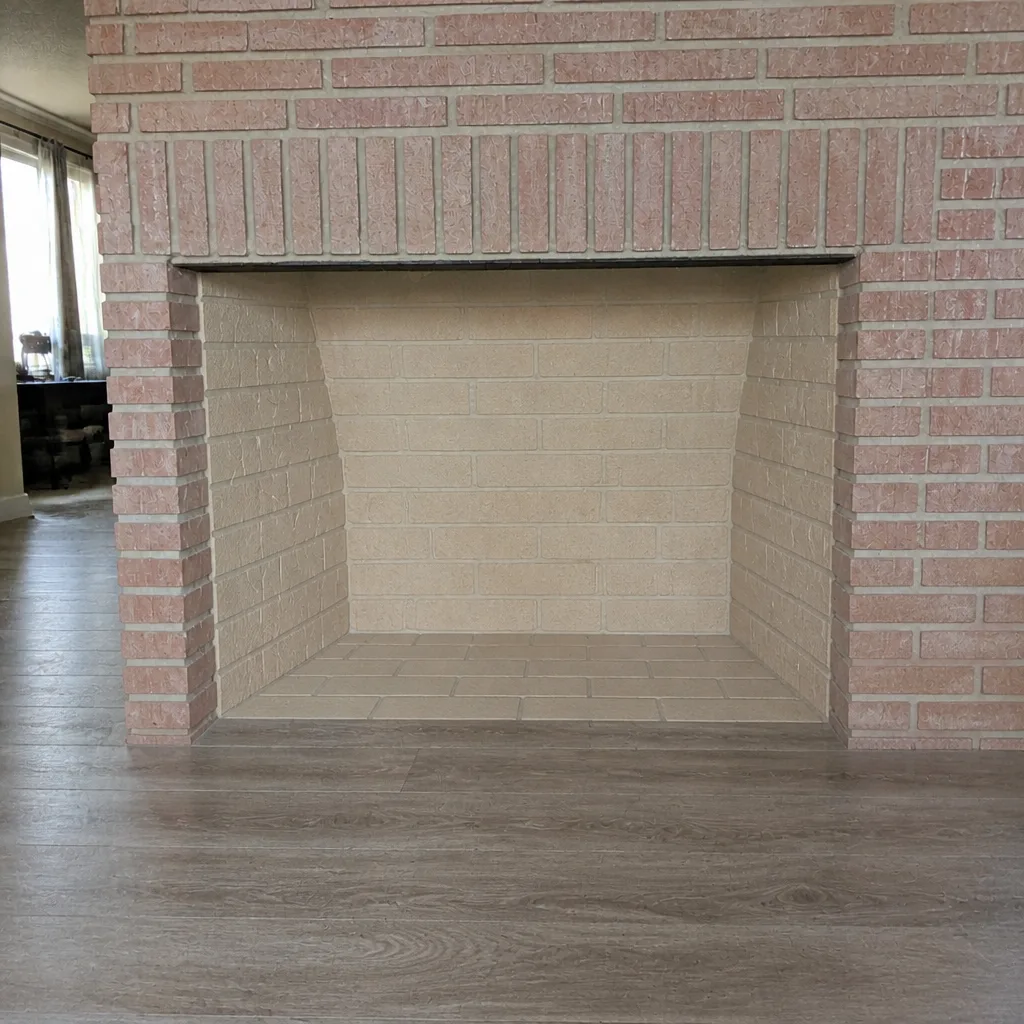
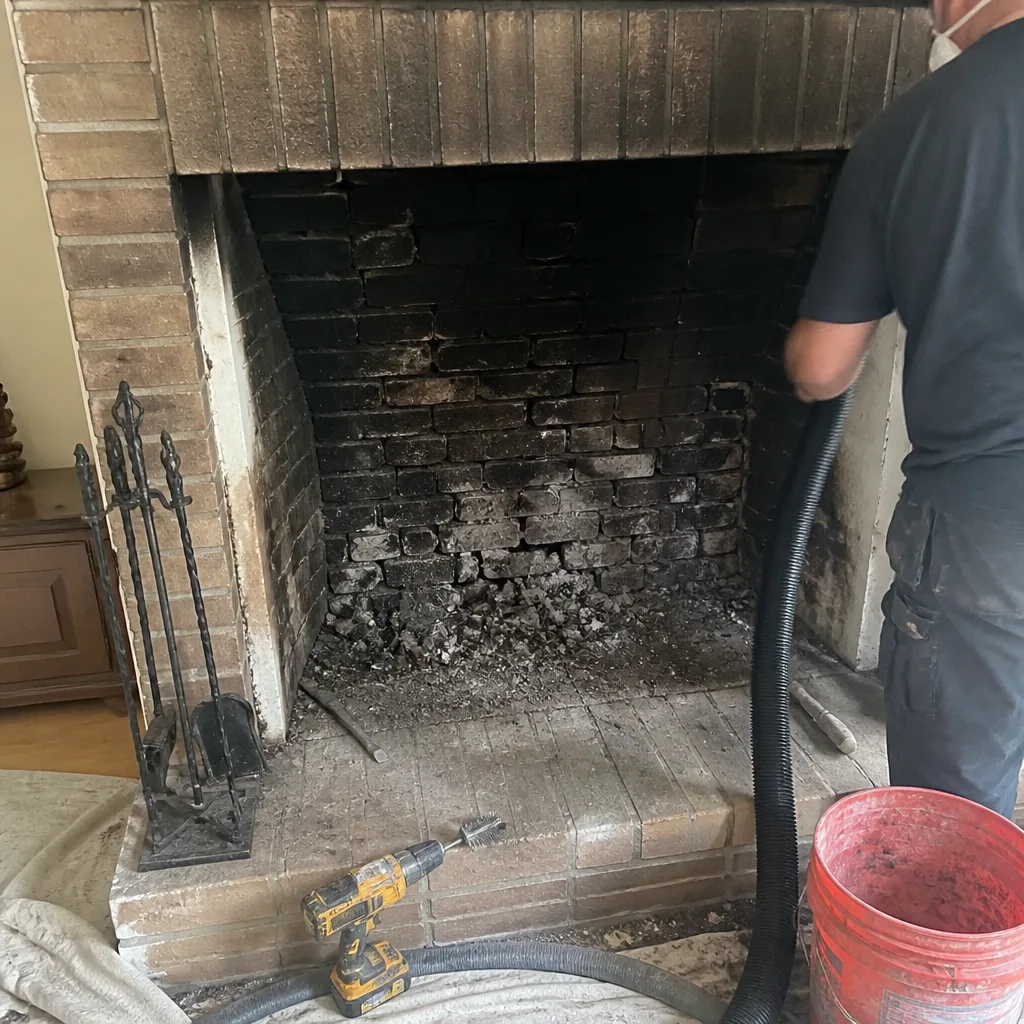
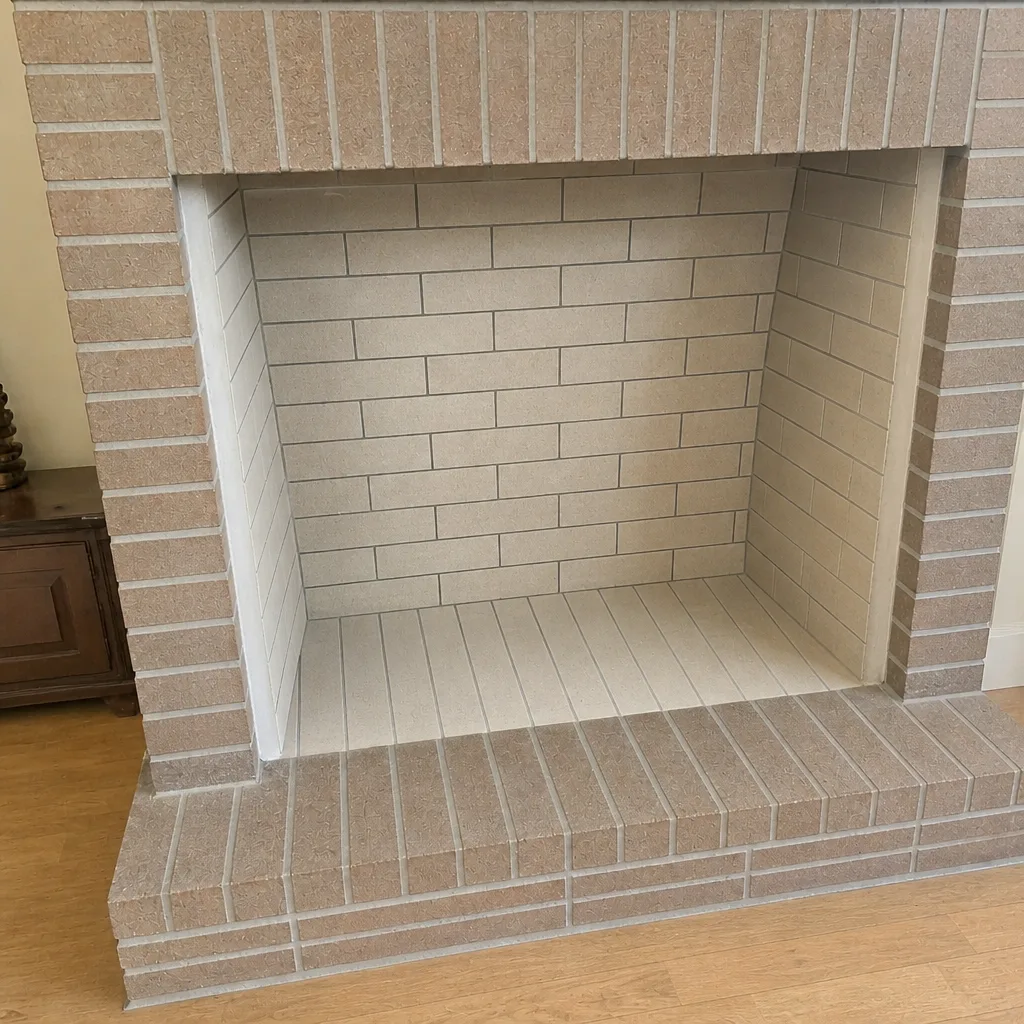
See the difference
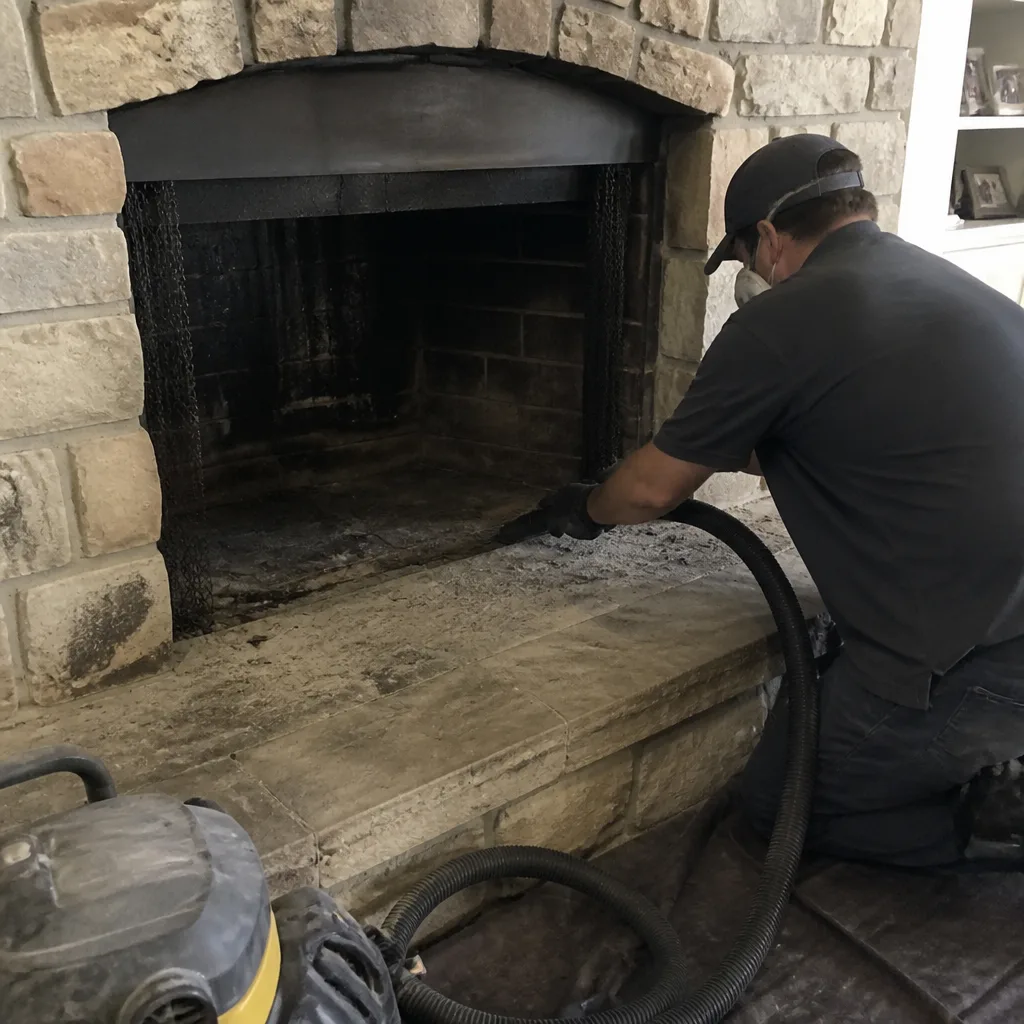 Before
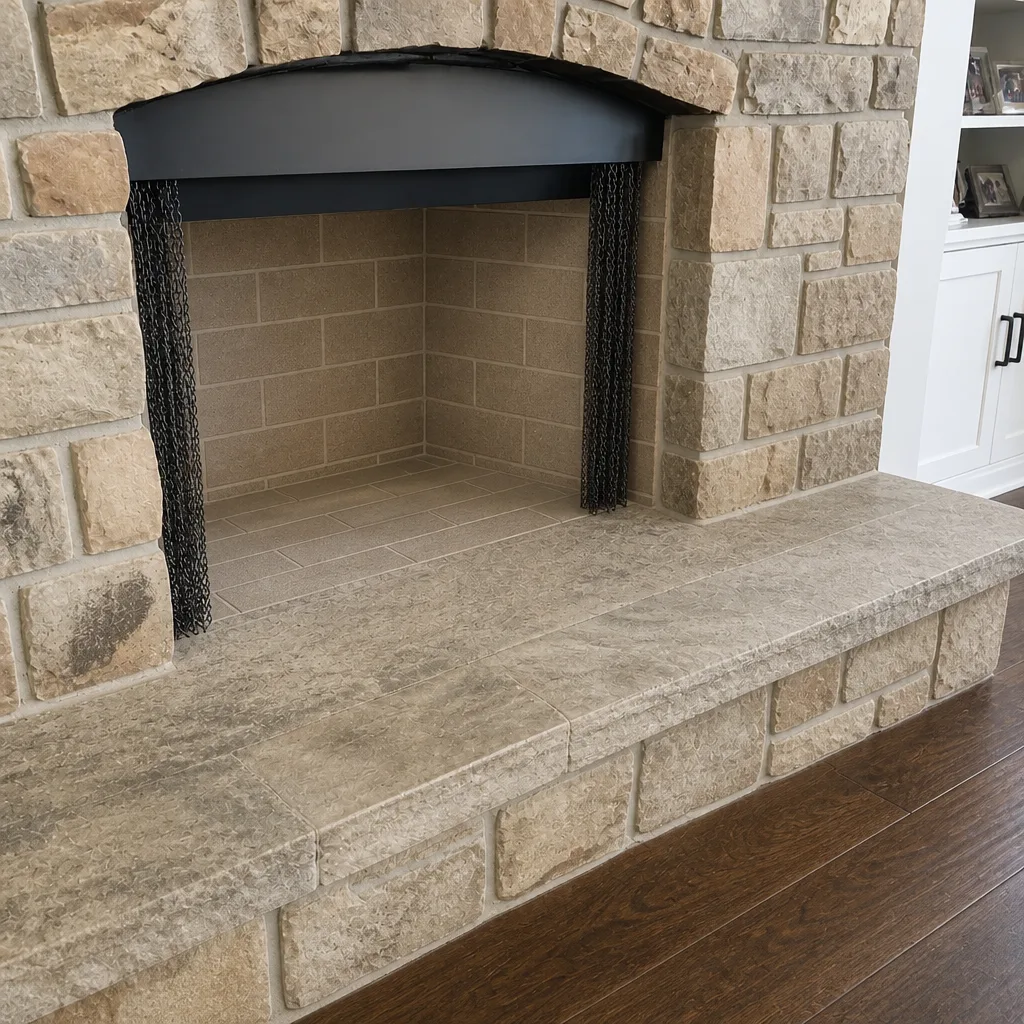 After
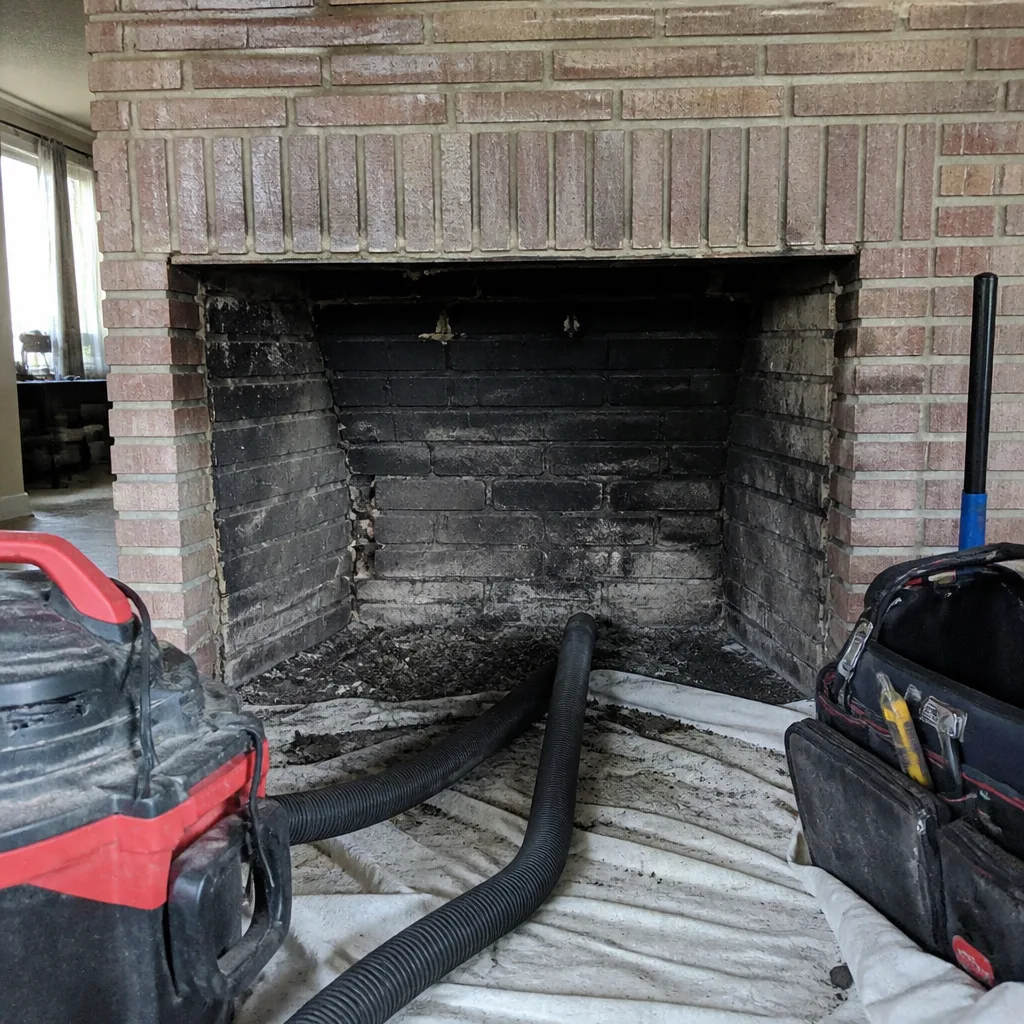 Before
 After
 Before
 After
When to Call a Professional
Some jobs are a homeowner’s look and some require a trained one. Call a professional if you see recurring efflorescence, a crown that’s clearly pulling away from the flue, or spalling brick – water is already moving through the masonry. Call if your damper won’t seat or has warped, if you see cracked or gaping firebrick, or if the firebox has rust or white crust. And call for the yearly sweep and camera inspection, before the burning season and again after a heavy-use season if it applies. A fire that draws poorly, a smell of smoke on windy nights, or flames at the top of the firebox all call for an inspection before you light another fire. Chimney Sweep Conroe offers free estimates in Conroe – call (888) 401-8620. We answer 24/7. Fast dispatch from 7am to 7pm, Sunday through Friday.
Frequently Asked Questions
Most homes here that burn regularly should be swept about once a year, and light users should check buildup each season and sweep when it reaches roughly a quarter inch. The schedule depends on how much you burn, so base it on firebox buildup and burn frequency rather than a calendar date. Call (888) 401-8620 for an exact quote – estimates are free.
The white, powdery staining is efflorescence, and it means water is moving through your masonry and evaporating on the surface. It’s usually not damage on its own, but it’s an early sign that water has found a path inside, and if it keeps coming back the path should be found and fixed. Call (888) 401-8620 to book an inspection – estimates are free.
A camera inspection shows the inside of the flue, and a cleaning does not. A fire can burn perfectly well over a liner with a joint gap or a cracked section, so the camera is how anyone knows what’s actually inside. Nothing should be recommended without camera evidence you can see for yourself. Call (888) 401-8620 to book one – estimates are free.
Skipping maintenance lets two problems grow quietly: creosote builds up in the flue, which raises fire risk, and exterior cracks let water reach the firebox and the liner. The first is a fire hazard, the second is expensive structural damage. Neither is visible from a couch. Call (888) 401-8620 to get ahead of both – estimates are free.
Leaving a stiff or warped damper costs you heat all winter and lets outside air, and sometimes rain, into the firebox. Have it looked at rather than forcing it, because a forced damper often needs replacing. Call (888) 401-8620 for an exact quote – estimates are free.
Yes. A home you’ve recently bought is the most common situation where a chimney has gone uninspected for years without anyone knowing the condition of the liner. Get it inspected before the first fire. Call (888) 401-8620 to schedule – estimates are free.
The Bottom Line
A Conroe chimney needs a maintenance schedule built for this climate, and that schedule has three parts. Look after the exterior after every storm season and every hard freeze, because water is the quiet threat. Check the firebox and damper yourself, and know what a good seal feels and sounds like. Then get the flue swept and camera-inspected based on how much you burn, with a record you keep. The brands behind the parts matter, too. A well-made cap and damper and a liner with known specs are what turn a checklist into a chimney that lasts. If you want to know exactly what’s inside your chimney, chimney repair or a full inspection is the place to start. Call (888) 401-8620, or start with our Chimney Sweep Conroe page. We answer 24/7. Fast dispatch from 7am to 7pm, Sunday through Friday.
Written by the team at Chimney Sweep Conroe.