
Last updated November 16, 2026
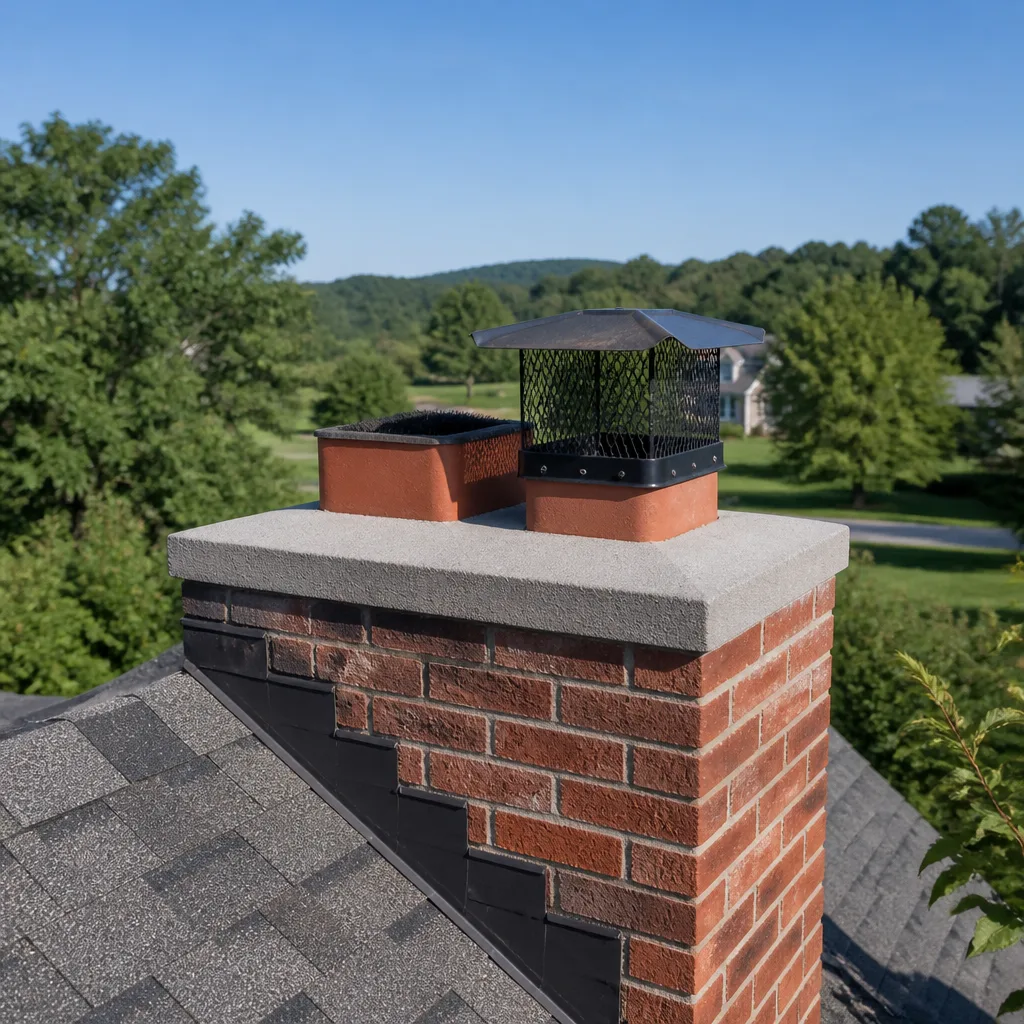 Sweep & inspection
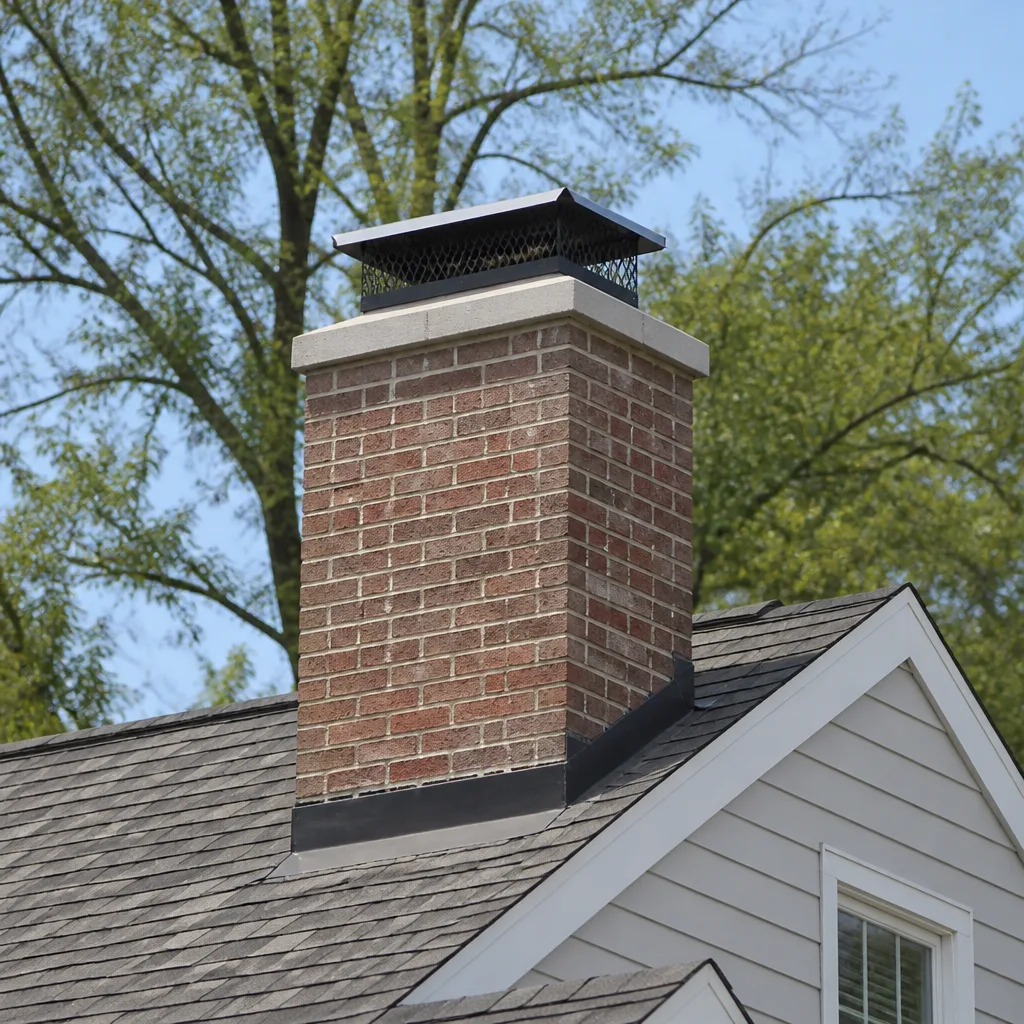 Caps & crowns
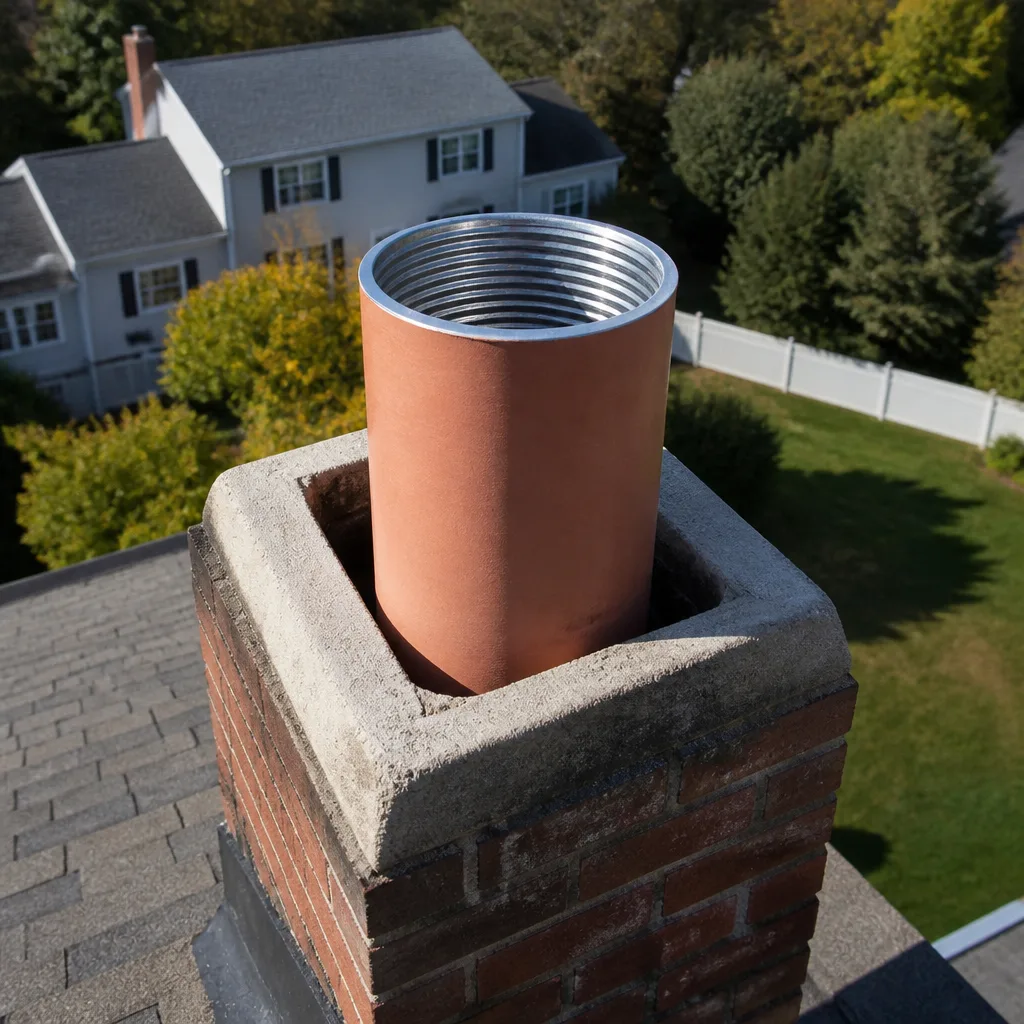 Flue relining
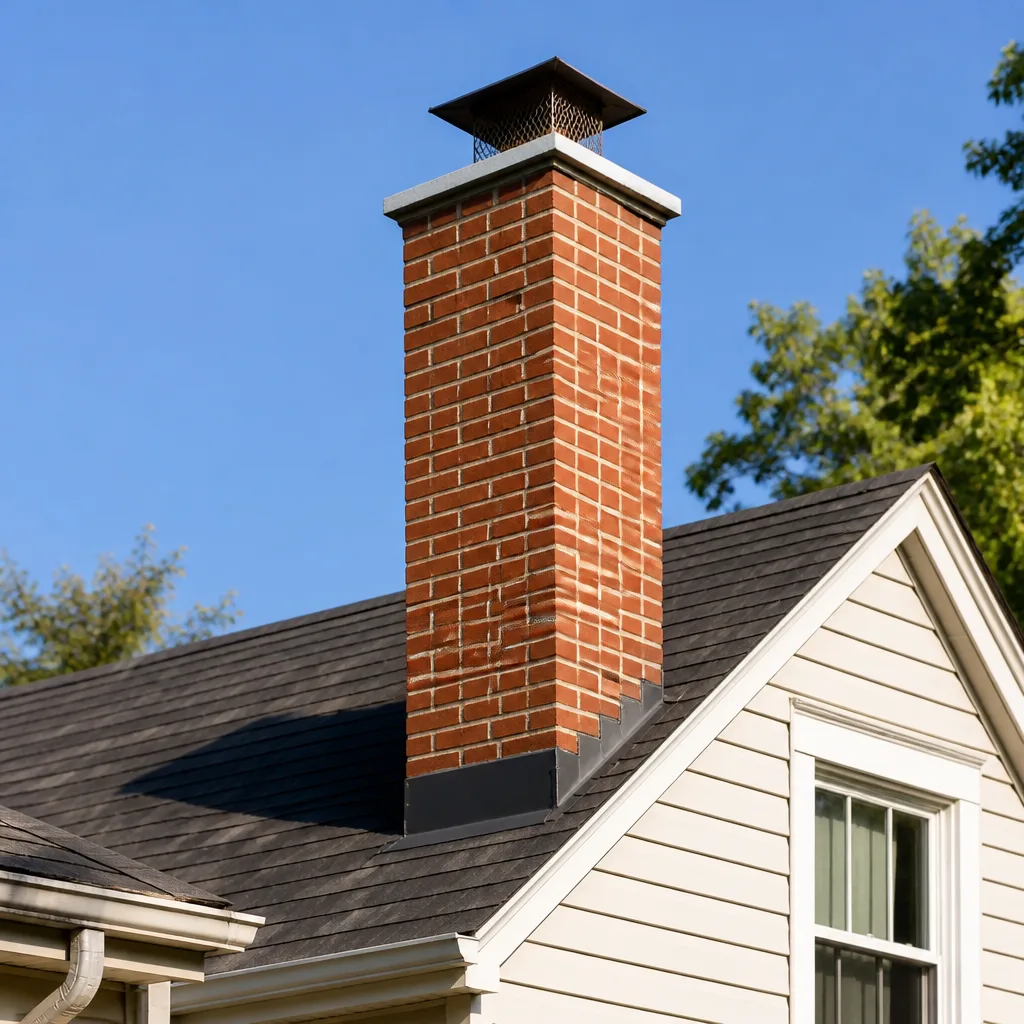 Masonry repair
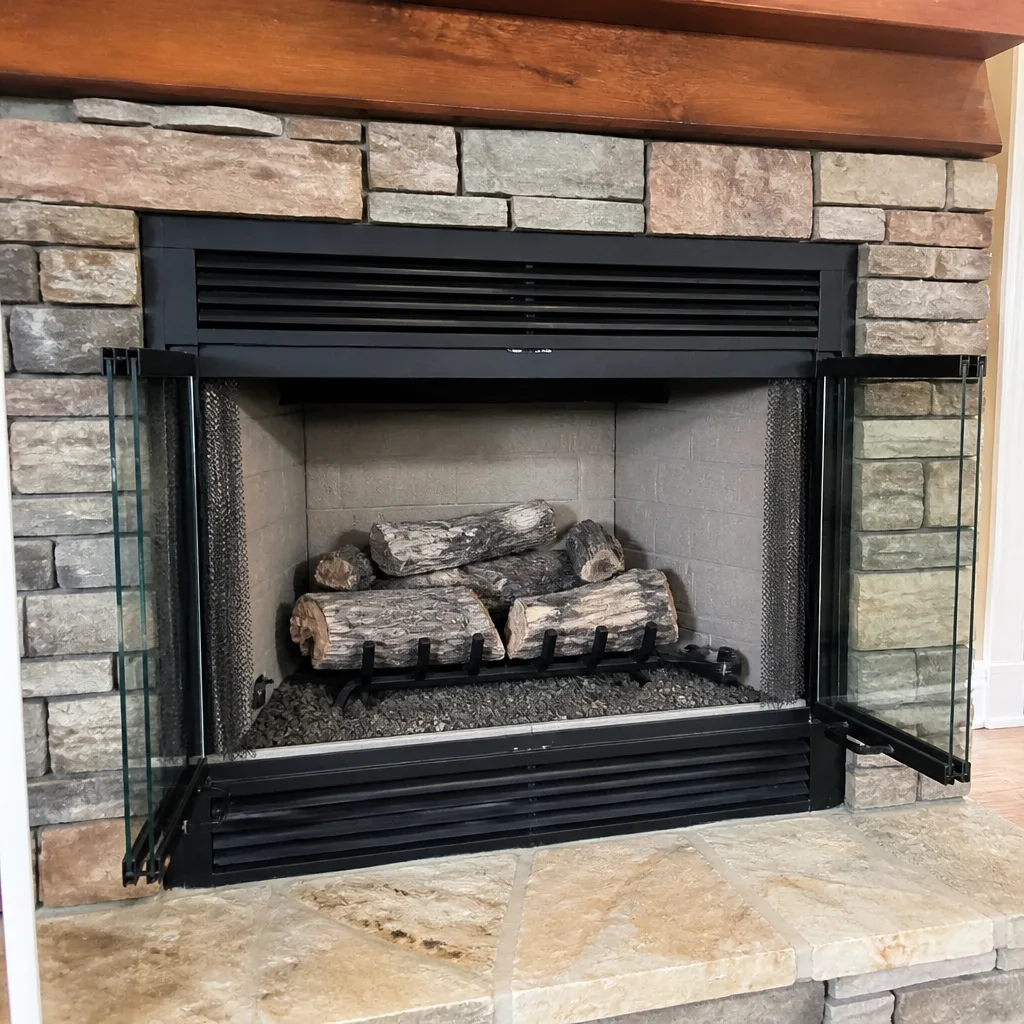 Gas fireplace service
Level 1 sweep and inspection to the NFPA 211 annual standard - flue, crown, cap, and flashing checked and photographed
Chimney sweep logs do not sweep chimneys. They loosen some creosote - which then falls where a brush and vacuum still have to collect it.
Chimney Sweep Maintenance Schedule: What to Do and When
The old “get it swept once a year” rule was written for a cold-climate homeowner burning a cord of wood every winter. If you’re in Conroe lighting your fireplace eight or ten times a season, that schedule can be more than you need while still missing what actually matters. Maintenance should track how you burn, what you burn, and what your chimney is made of. A gas insert running through cool spring evenings has different needs than a wood-burning masonry fireplace that sits idle nine months out of the year. In this guide we’ll build a usage-based schedule, break the year into seasonal tasks, separate what you can check yourself from what needs a professional, and explain what our inspection equipment finds that your eyes won’t.
Styles & brands we work with
- Sweep & inspection
- Caps & crowns
- Flue relining
- Masonry repair
- Gas fireplace service
Quick Answer
Sweep your chimney when the soot and creosote buildup reaches roughly 1/8 inch, or once a year if you burn regularly, whichever comes first. In Conroe’s mild climate, most wood-burning households need a professional cleaning every one to two years depending on how many fires they light, while gas inserts need an annual inspection and cleaning less often. Inspect annually no matter what, ideally in late spring or early fall before the burning season begins.
Table of Contents
- How to Build a Usage-Based Maintenance Schedule
- Light, Moderate, and Heavy Use: Matching the Interval to Your Habits
- The Conroe Seasonal Calendar: What to Check and When
- What You Can Maintain Yourself and What Needs a Professional
- Gas Inserts vs. Wood-Burning Fireplaces: Two Different Schedules
- What Professional Inspection Tools Find That a Flashlight Won’t
- Creosote, Carbon Monoxide, and the Real Risks of Skipping Maintenance
- Common Mistakes to Avoid
- When to Call a Professional
- Frequently Asked Questions
- The Bottom Line
How to Build a Usage-Based Maintenance Schedule
A blanket annual sweep ignores how much fuel actually goes up your flue. That matters more than most homeowners realize. Creosote builds at the rate you burn, not the rate the calendar advances. A household that lights twenty fires between November and February has a very different flue than one running the fireplace every cool evening from October through March.
Start by tracking your own use for one season. Count the number of fires you light, note whether you burn dry or green wood, and log whether your fireplace is wood or gas. Then set your cleaning and inspection intervals against that real data instead of a generic rule of thumb.
- Log your burns. Tally how many fires you light per season. Note whether it was a quick evening fire or an all-day burn, because duration matters nearly as much as count.
- Note the fuel. Seasoned hardwood burns cleaner than soft wood or green wood, which deposits more creosote. A cord of dry oak is a different flue load than a pile of scrap pine.
- Check the buildup. A trained eye can see the flue condition at inspection. If the soot layer reaches about 1/8 inch, it’s time to sweep.
- Set your interval. Match your burn count and fuel type to the light, moderate, or heavy categories below.
- Inspect annually regardless. Even a fireplace you barely use should get a professional inspection every year, because the chimney can fail in ways unrelated to burning.
In Conroe, our burns happen in a compressed window, usually a stretch of cool nights in December and January with shorter shoulder seasons around them. That short, intense window means the creosote load per fire is often heavier than homeowners expect, especially if the fire runs hot and then gets closed off. If you want the full picture of how a professional sweep is performed, our chimney sweep service page walks through the process. Building the schedule around real usage first is the foundation everything else rests on.
Light, Moderate, and Heavy Use: Matching the Interval to Your Habits
Three broad use categories cover most Conroe households. They aren’t a rigid rule, but they give you a starting interval to work from. Adjust for how hot you burn, what fuel you use, and how often your fireplace runs.
Light use (under 15 fires per season)
A light-use chimney usually shows minor soot with little to no glazed creosote. Get a professional inspection once a year, but cleaning can often be spaced every second year if the inspector finds the buildup is still minor. Some light-use households can stretch the cleaning further after a careful inspection. For occasional burners in Conroe, an annual inspection is the minimum. The annual check catches a cracked flue or failed damper even if nothing was burned, and it’s the only reliable way to know the flue is still sound.
Moderate use (15 to 40 fires per season)
Moderate use means a real fire most cool evenings. Soot builds faster, and creosote starts showing up in the upper flue. Plan on an inspection every year and a cleaning every one to two years, moving to an annual cleaning once you cross about 30 fires a season. This is the widest band and the one where most Conroe homeowners sit. It’s also where skip-a-year thinking causes the most trouble, because moderate use still builds enough glazed creosote to become a fire hazard over three or four seasons without a sweep.
Heavy use (over 40 fires per season)
If your fireplace runs most nights through the winter, treat the chimney as heavily used. That means an annual cleaning and a close inspection at every visit, with a camera scope added if the inspector suspects a problem higher in the flue. Heavy users should also check their flue condition mid-season, especially after an unusually cold stretch when the fire ran hot and long. Hearth owners who host regularly or heat part of the house with the fireplace are very likely in this category.
The takeaway is simple. Match the interval to your actual burn count, not the calendar, and default to an annual inspection for everyone. If you’re unsure which band you fall into, our inspection fills in the blanks. If your build reveals the need for repair, our chimney repair team handles the fix-up without a handoff.
The Conroe Seasonal Calendar: What to Check and When
Chimney maintenance in Conroe runs on a Southeast Texas rhythm. Winters are mild, humidity is high much of the year, and burning season is compressed. Breaking the year into seasonal checkpoints keeps the work manageable and catches problems before they compound. Here’s the calendar we recommend.
Spring (after the last burn)
- Book an inspection or cleaning once the weather warms and the firebox goes cold, so the flue gets cleared before summer humidity sits on any soot.
- Look at the exterior of the chimney. Check the crown, the mortar joints, and the flashing for cracks or gaps.
- Check the cap and spark screen. Winter storms and wind can knock them loose, and a missing cap is an open door for birds, rain, and debris.
- Confirm the damper opens, closes, and seals. A damper that sticks open bleeds your air-conditioned air up the flue all summer.
Summer (the deep-clean months)
Summer is the best window for any real repair work, because there’s no fire running and no urgency. If the inspection flagged a liner or resurfacing issue, this is when to schedule it. HeatShield resurfacing and DuraFlex liner work both go in more cleanly when the chimney isn’t in active use, and it gives the materials time to settle before the first fall burn. Summer is also a good time to schedule a camera inspection if you haven’t had one.
Fall (before the first burn)
- Open the damper and check for a clear flue. Look for animal nests, leaves, or debris that might have settled over summer.
- Clear the firebox, check the grate, and make sure the firebrick and mortar look intact.
- Test your smoke and carbon monoxide detectors and replace the batteries.
- Schedule the pre-season inspection if you haven’t already. This is the single most valuable appointment of the year for a household that burns regularly.
Winter (during the burn season)
During the season, watch for warning signs at each fire. Smoke that rolls into the room instead of going up the flue, a weak draft, or a smell that lingers after the fire is out all point to a problem that needs a professional look. Don’t let the fire run all night with the damper half-closed, which is one of the fastest ways to build creosote. If you’re heating with the fireplace, take a brief look at the firebox between burns to confirm the brick and mortar are still sound.
What You Can Maintain Yourself and What Needs a Professional
Some routine checks belong in your hands. Others genuinely need a trained technician with the right tools, and attempting them yourself is where homeowners get into trouble or into danger. Here’s the line between them.
What a homeowner can check
- Look at the exterior of the chimney from the ground for visible cracks, shifting, or missing mortar.
- Check the cap and spark screen are in place and intact.
- Open and close the damper a few times to confirm it moves freely and seals.
- Clear ash and debris from the firebox before and after the season.
- Test smoke and carbon monoxide detectors monthly, and test them again before the burn season.
What requires a professional
- Cleaning the flue, because the brush, rods, and vacuum needed to remove soot and creosote without spreading it through your house are a professional toolset.
- Any inspection of the flue interior, which requires a scope and the training to interpret what it shows.
- Any repair to the liner, crown, damper, or firebox, all of which need the right materials and the skill to install them correctly.
- Getting up on the roof to look at the crown and flashing. Actually, this belongs on the professional list. Climbing a roof to inspect a chimney is height work on an often steep, often slick surface, and it’s the cause of more serious injuries in this trade than most homeowners realize. Let a trained professional handle roof-level inspection.
A trained professional also works with the parts and materials that make a repair last. Our work draws on brands like Gelco and Olympia Chimney for parts and components, and HeatShield for resurfacing, so a repair uses professional-grade materials rather than substitute parts. The rest of this guide gets into why that matters for gas vs. wood and for what inspection finds. If you want to understand the inspection side in more detail, our team at Chimney Sweep Conroe can walk through what a full visit covers.
Gas Inserts vs. Wood-Burning Fireplaces: Two Different Schedules
Most maintenance guides lump gas and wood fireplaces into the same advice. That’s a mistake. The two systems fail differently, they need different inspections, and they build up different deposits, so the schedule should be different too.
Wood-burning fireplaces
Wood-burning fireplaces produce creosote and soot, the two deposits most associated with chimney fires. The flue needs a sweep when buildup reaches about 1/8 inch. The inspection needs to cover the firebox, the damper, the smoke chamber, and the full flue, looking for cracks, gaps in the mortar, and any degradation of the liner. A masonry chimney also needs its crown and exterior checked for water intrusion. A light-use wood fireplace still needs an annual inspection because a cracked flue lining can go unnoticed until it becomes a fire risk. Our Conroe fireplace owners tend to burn in a compressed winter window, so the flue load per fire is real.
Gas inserts and gas log sets
Gas fireplaces don’t produce creosote the way wood does, so the cleaning interval is usually longer. But gas brings its own maintenance list. The burners, the pilot assembly, and the logs need checking for dust and debris buildup, and the venting (whether direct-vent or through a flue) needs verifying for proper exhaust and no blockage. A professional inspection still matters because gas fireplaces produce carbon monoxide, and a blocked or improperly vented flue can push that into the room. A gas insert that sits unused for months should get a check before each burn season, and an annual inspection is still the right default.
The hybrid case
Some households run a gas insert in a masonry fireplace. That combination still needs the masonry inspected, because the flue and the chimney structure around the insert are shared. The gas side gets its burner and vent check, and the masonry side gets the flue and crown inspection. Treat both systems as active maintenance items, not one.
The schedule for a gas insert looks lighter on paper, but the inspection still matters just as much, because the invisible risk with gas is carbon monoxide. That’s the reason we inspect it the same way regardless of how often it burns.
What Professional Inspection Tools Find That a Flashlight Won’t
Looking up the flue with a flashlight from the firebox shows you the bottom few feet of a flue and not much else. A professional inspection uses a camera scope to see the entire flue, top to bottom, and the difference in what gets found is real.
A proper inspection follows a standard set of checkpoints. Our inspection covers the firebox, the damper, the smoke chamber, the flue, the crown, the cap, and the exterior of the chimney. Each of those has its own failure modes, and most of them are invisible from the hearth.
- Cracked or separated flue tiles. These are the classic precursor to a chimney fire spreading into the structure, and they’re invisible without a scope.
- Gaps in the mortar joints between flue tiles, which let heat and combustion byproducts escape into the surrounding masonry.
- Glazed creosote in the upper flue, the type that a household brush won’t remove and that requires a professional treatment like HeatShield resurfacing to address.
- Liner degradation, including pitting and corrosion, which may point to a reline with a DuraFlex system.
- Improperly installed or damaged dampers, which are a common draft and carbon monoxide problem.
- Water intrusion showing up as efflorescence, rust on the damper, or a white stain on the brick, usually traced back to a failed crown or cap.
When is upgrading to a camera inspection worth it? Almost every time. The cost of a scope visit is small compared to the cost of a missed flue defect. If you’ve recently bought a home with an uninspected fireplace, or if you’ve had smoke or draft problems, the camera scope should be the first appointment you book. Our inspection reports include what the camera shows so you can make a decision with the evidence in front of you. When we recommend repair, it comes with a written estimate and a clear explanation. We don’t recommend work that isn’t supported by what the camera finds.
Creosote, Carbon Monoxide, and the Real Risks of Skipping Maintenance
The two genuine hazards a chimney poses are chimney fire and carbon monoxide, and both are managed by the same maintenance schedule this guide describes. Let’s be specific about what each one is and how maintenance addresses it, without overstating it.
Chimney fire
A chimney fire happens when creosote in the flue ignites. The fire can be dramatic, with a roaring sound and flames visible at the top, or it can be quiet and slow, burning in a liner seam where nobody notices. Slow chimney fires are the ones that cause the most structural damage over time, because the heat goes into the masonry and liner components without any obvious sign. The buildup that makes this possible is exactly what a sweep removes. A flue kept clear of creosote doesn’t have the fuel to feed a chimney fire.
Carbon monoxide
Carbon monoxide is a normal byproduct of combustion, and a healthy chimney vents it safely outside. A blocked flue, a failed damper, or a disconnected liner lets that gas come back into the living space instead. CO is invisible and odorless, which is why a working CO detector is a required part of the schedule. Blocked venting is also the reason a gas fireplace needs its own inspection. Wood fireplaces can also produce CO during a fire if the flue is obstructed, so the same detector covers both.
What a schedule does
The point of a maintenance schedule is to catch the conditions that make chimney fire and CO possible before they happen. There’s no scare needed here. A clean flue, a sound liner, a working damper, and a working detector are the entire safety stack. Skip the schedule and each of those becomes a question mark you can’t answer.
If you’ve skipped a few seasons, an inspection is the right first step. It establishes a baseline you can schedule against going forward. We’ve found defects in flues that had burned only lightly over multiple winters, so don’t assume low use means a safe flue. Get the inspection, then set the schedule that fits your household.
Common Mistakes to Avoid
- Following the “sweep once a year” rule blindly. It’s a starting point, not a schedule. Match the interval to your actual burn count and fuel type, or you’ll over-spend in one household and miss damage in another.
- Skipping the inspection because the chimney hasn’t been swept. A fireplace you don’t burn much still needs an annual inspection, because the flue and the exterior can fail without a single fire. The inspection is what catches it.
- Assuming a gas insert is maintenance-free. Gas skips the creosote, not the vent check and the CO risk. The venting and burners still need a professional look each season.
- Climbing the roof or pulling the cap yourself. Roof-level inspection on a steep or wet roof is genuinely dangerous and the leading cause of serious injury in this trade. Let a trained professional handle it.
- Burning unseasoned wood to save a few dollars. Green wood produces more creosote in the flue, which shortens your safe interval between cleanings. Dry hardwood burns cleaner and keeps the schedule predictable.
- Trusting a flashlight glance to confirm the flue is sound. A flashlight sees the bottom few feet of a flue. The cracks and gaps that matter are usually higher up, where only a camera scope reaches.
- Waiting for a problem before booking an inspection. The whole point of a schedule is to stay ahead of the failure. If the smoke is already rolling into the room, the inspection is late.
When to Call a Professional
Some moments in the schedule are clearly a professional call. If you’ve moved into a home with an uninspected fireplace, if you’re heading into a season after two or three winters without a check, or if you’ve noticed smoke rolling back into the room, a weak draft, or a smell lingering after the fire is out, book an inspection now. A creosote reading at or above 1/8 inch in the flue calls for a cleaning. Any visible crack, gap, or damage to the liner, crown, or damper calls for a professional look. Gas fireplaces with a carbon monoxide detector alarm should be shut down and inspected before the next burn. And if you haven’t had a camera-scope inspection in the last year and you burn regularly, that alone is reason enough. We offer free estimates in Conroe, so you can get a clear picture of what your chimney needs without guessing. Call (888) 401-8620. We answer 24/7. Fast dispatch from 7am to 7pm, Sunday through Friday, closed Saturday.
Frequently Asked Questions
Most households need a professional cleaning every one to two years, depending on how many fires they light and what fuel they burn. If the flue shows about 1/8 inch of soot and creosote, it’s time to sweep. Light-use households under 15 fires a season can often clean every second year with an annual inspection. Heavy users burning most nights should clean every year. Call (888) 401-8620 for an exact quote, estimates are free.
Yes. Every fireplace, wood or gas, needs an annual inspection regardless of how often it burns, because the flue, liner, crown, and cap can fail without any fire at all. A fireplace that sat unused for a season can develop cracks, animal nests, or water intrusion that only a professional scope will find. The inspection is the cheapest way to know. Call (888) 401-8620 and get the inspection on the calendar.
Wood fireplaces need creosote removal and inspection of the firebox, flue, and crown, while gas inserts need their burners and venting checked with carbon monoxide safety as the top concern. Gas skips the creosote but still needs an annual vent check and CO detector test. Wood needs the sweep, the liner inspection, and the exterior check. Both need the annual inspection, and both get it through the same visit. Call (888) 401-8620 to book either.
Spring and early summer are the best windows, because the firebox is cold and there’s no urgency. Summer is the ideal season for any repair work, since a resurfacing or reline job can go in before the first fall burn. Fall inspections catch the last of the summer at escape. Call (888) 401-8620 and we’ll find a slot that works around your burn season, estimates are free.
A camera scope is worth it just about every time, because it’s the only way to see the full flue and catch the cracks, gaps, and liner defects that a flashlight misses. A visual check from the firebox shows only the bottom few feet. The camera shows the whole flue, top to bottom, and the evidence it produces is what a repair recommendation should be based on. Call (888) 401-8620 to book a camera inspection, estimates are free.
Creosote builds in the flue until it becomes a chimney fire risk, and cracks in the liner and mortar go unnoticed, letting heat and combustion byproducts into the masonry. Carbon monoxide venting problems can also develop quietly, especially with a gas insert. None of it is visible from the hearth. An inspection after a few skipped seasons is the right first step, and it re-establishes the baseline you schedule against going forward. Call (888) 401-8620 for the inspection, estimates are free.
The Bottom Line
The right chimney maintenance schedule is based on how you burn, not on a calendar rule. Light users can stretch the cleaning to every second year with an annual inspection. Moderate and heavy users should plan a yearly cleaning plus a close inspection. Wood and gas fireplaces need different things on that schedule, and every household, gas or wood, needs an annual professional inspection. Spring and summer are for repairs, fall is for the pre-season inspection, and the whole season is for watching warning signs. A clean flue, a sound liner, and a tested carbon monoxide detector are the entire safety stack. Know exactly what’s inside your chimney and schedule the maintenance to keep it that way.
Chimney Sweep Conroe provides chimney sweeping, inspection, and repair to homeowners across Conroe and the surrounding area. Our technicians have up to 13 years of experience, and the work uses professional-grade materials from DuraFlex, HeatShield, Gelco, Olympia Chimney, Famco, and Copperfield. We inspect it and we fix it, so an inspection leads directly into a repair when one is needed. When we recommend work, you see the camera evidence behind it, and you get a written estimate before anything is booked. Call (888) 401-8620 for a free estimate. We answer 24/7. Fast dispatch from 7am to 7pm, Sunday through Friday, closed Saturday.
Written by the team at Chimney Sweep Conroe.
See the difference
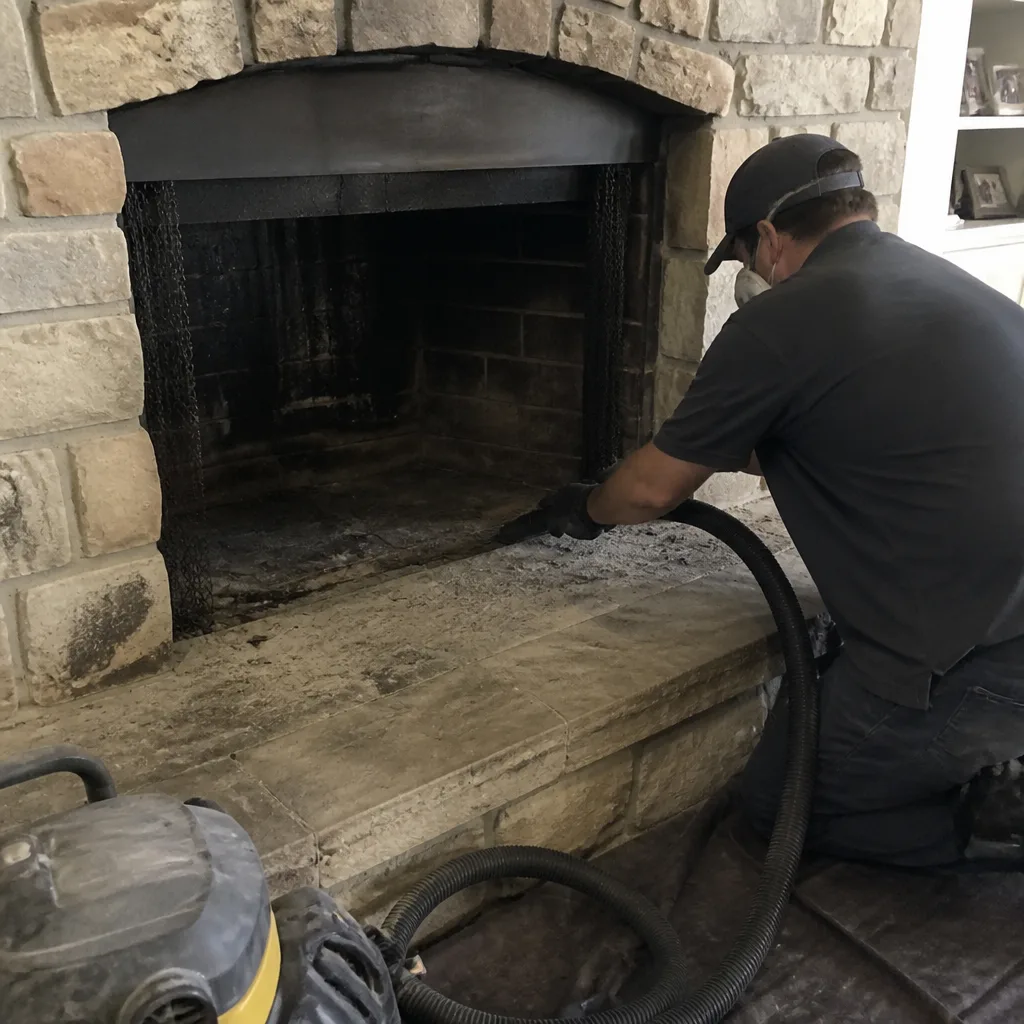 Before
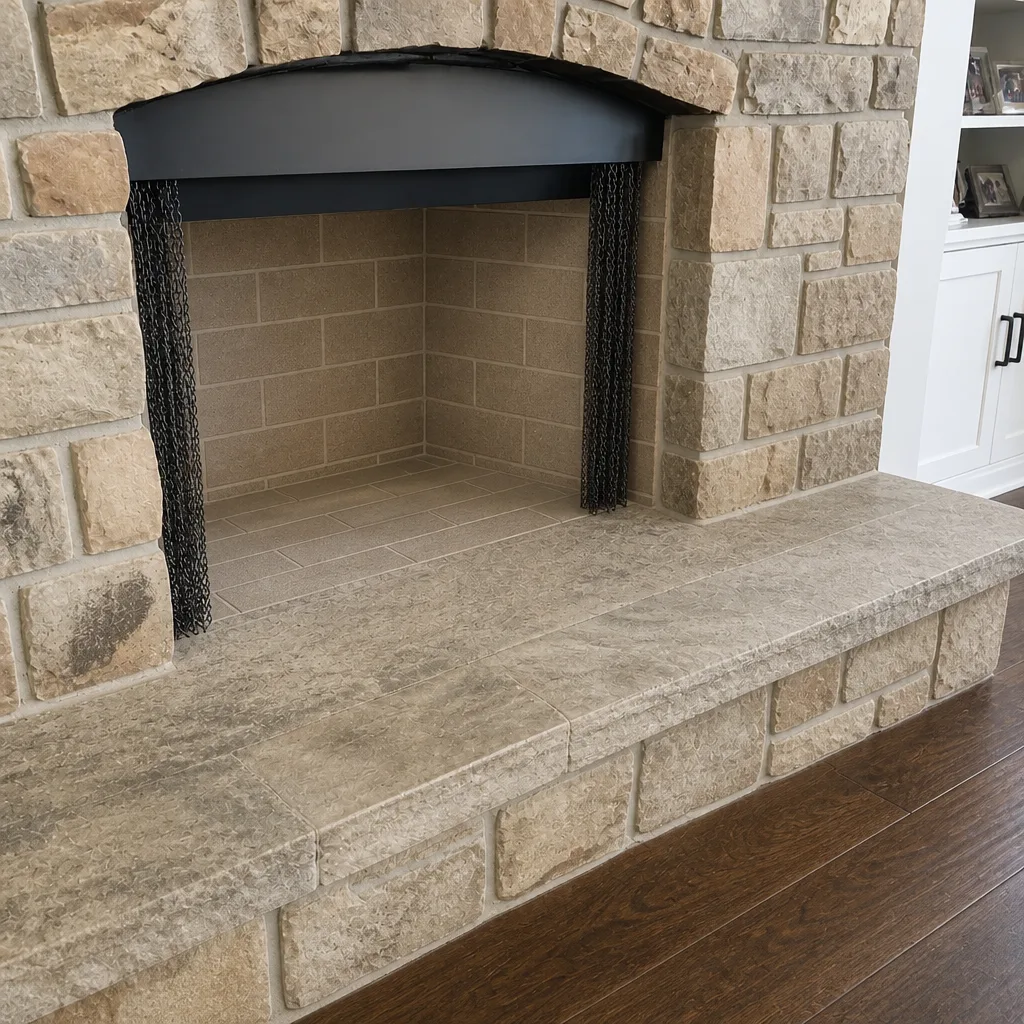 After
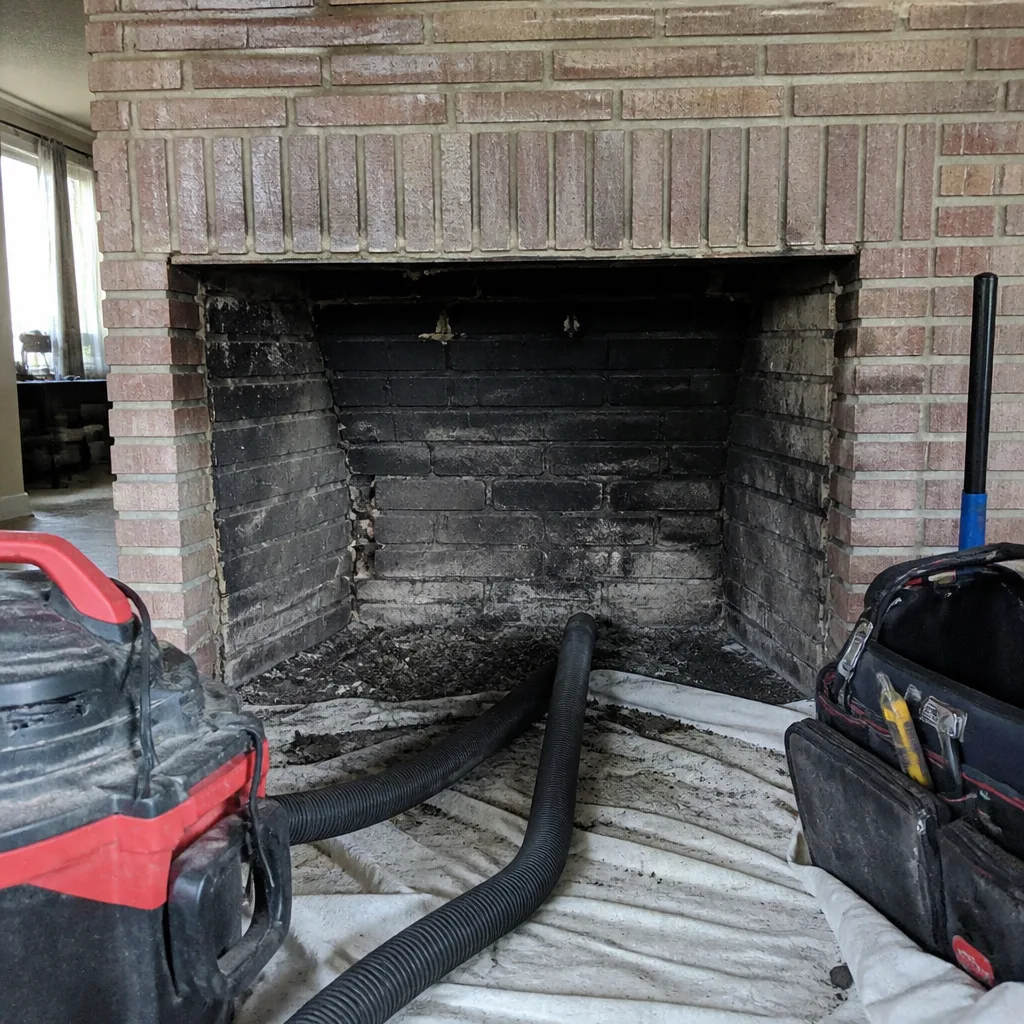 Before
 After
 Before
 After