
Last updated November 16, 2026
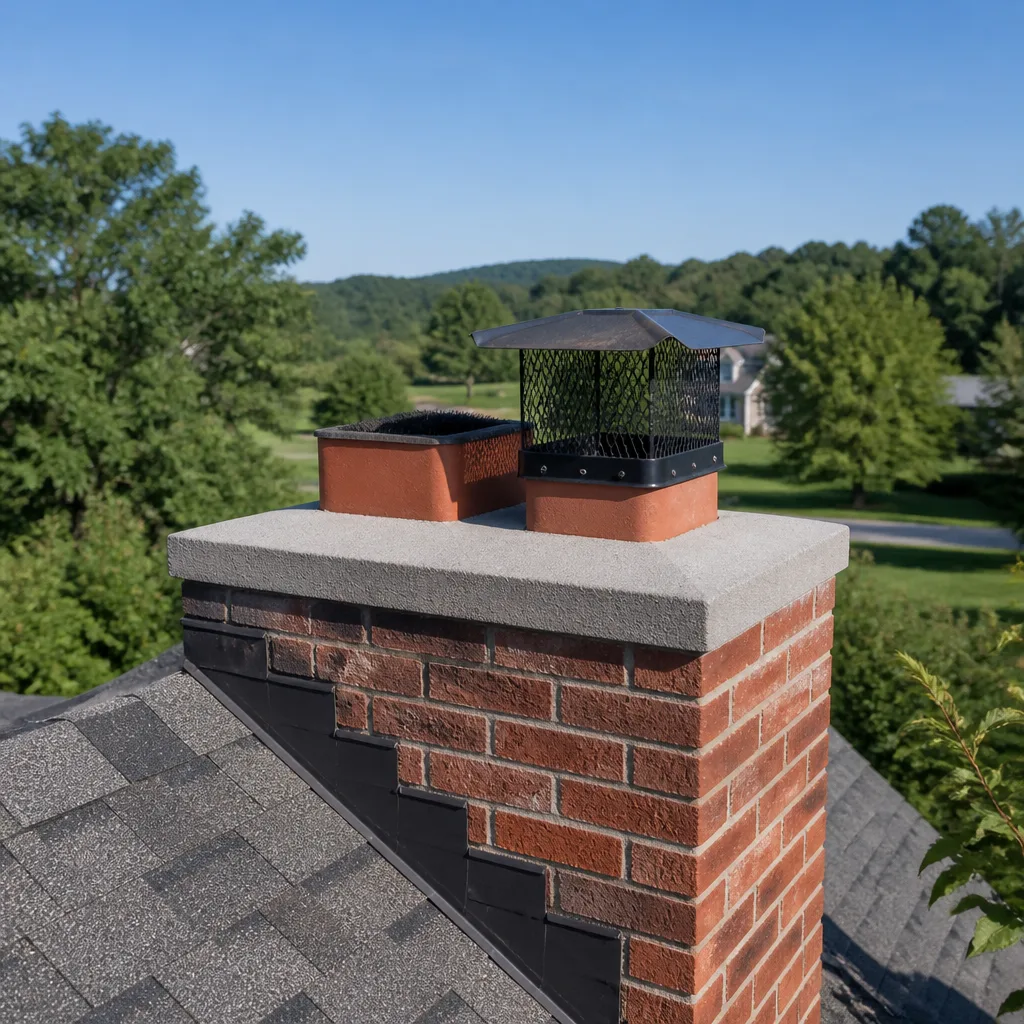 Sweep & inspection
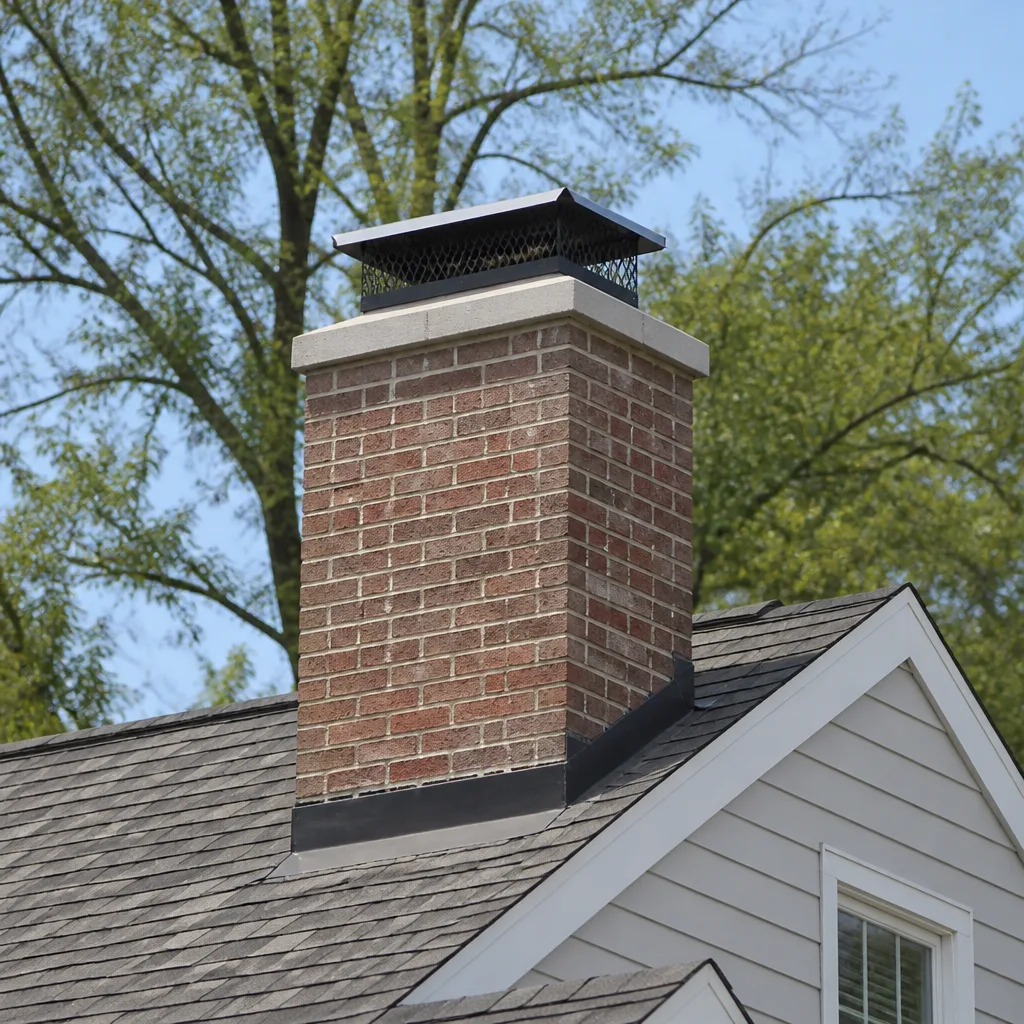 Caps & crowns
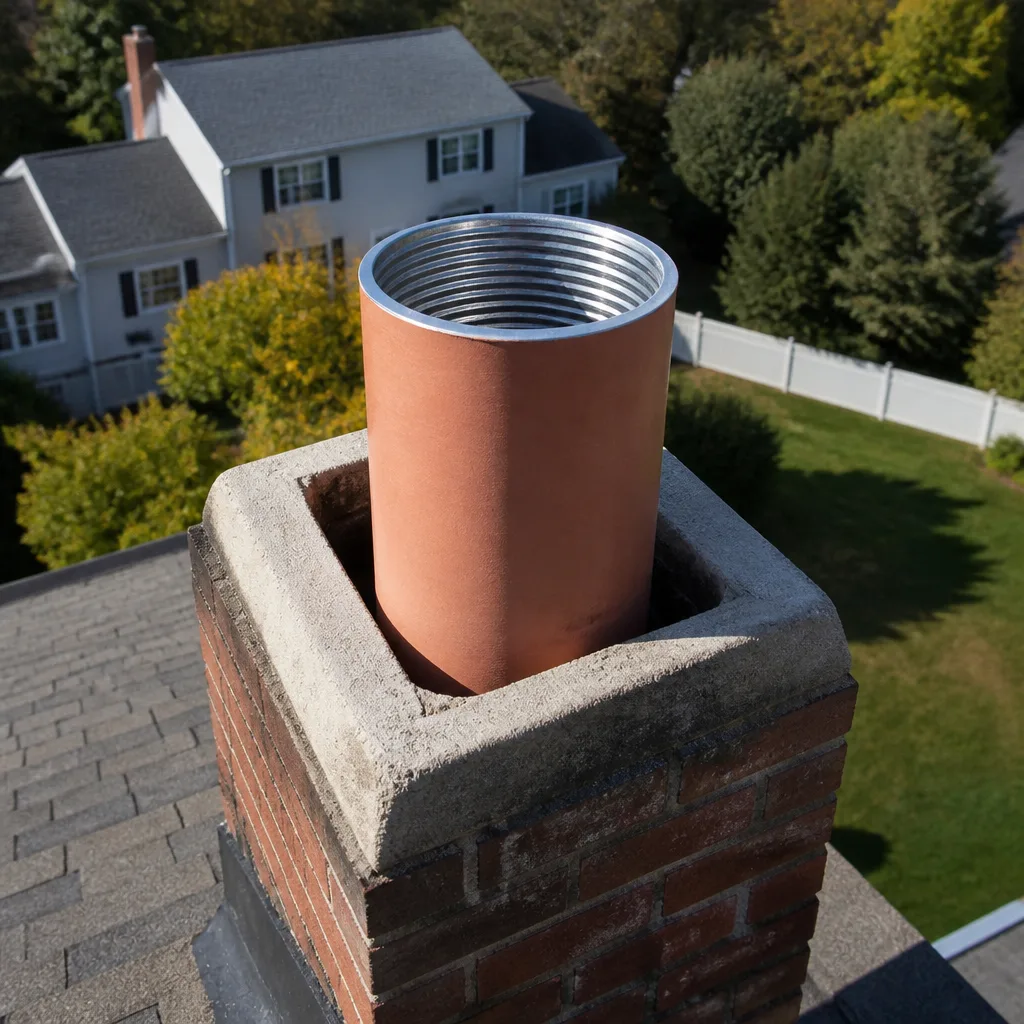 Flue relining
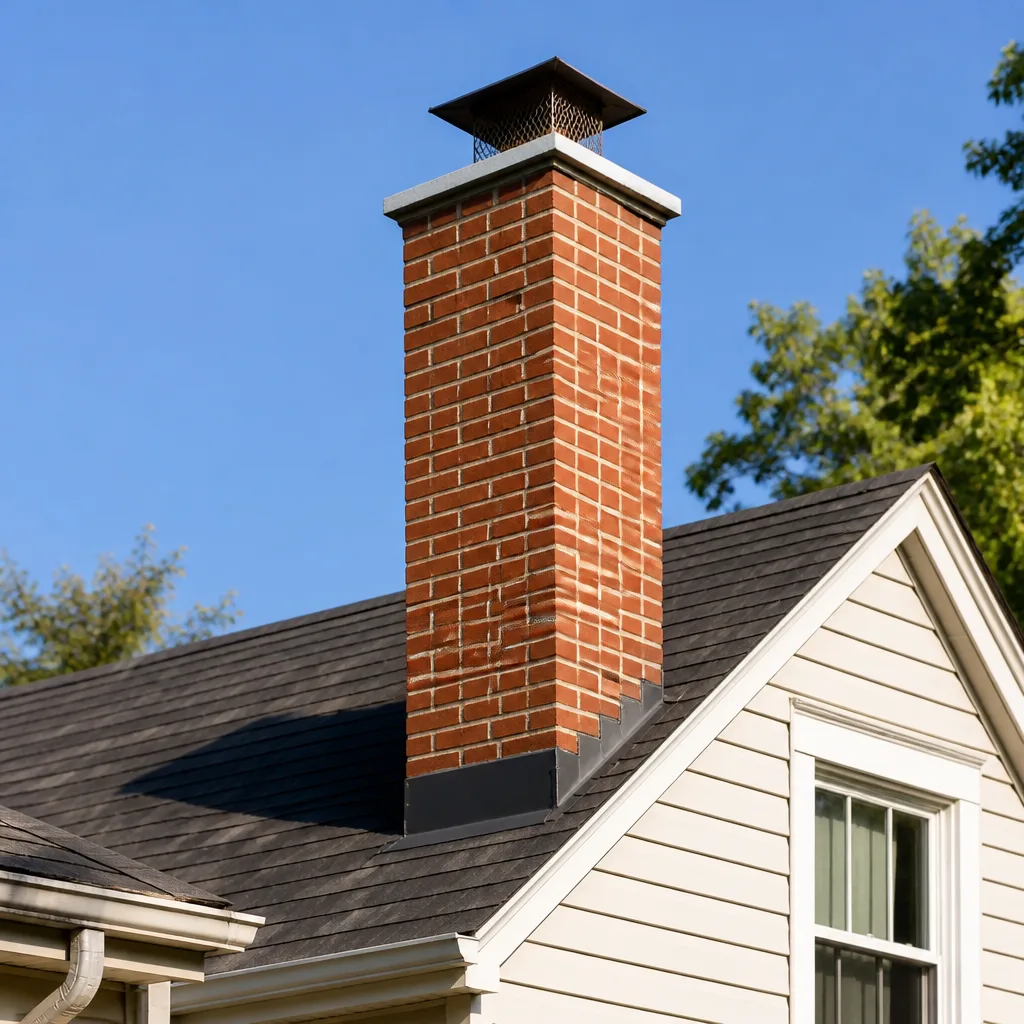 Masonry repair
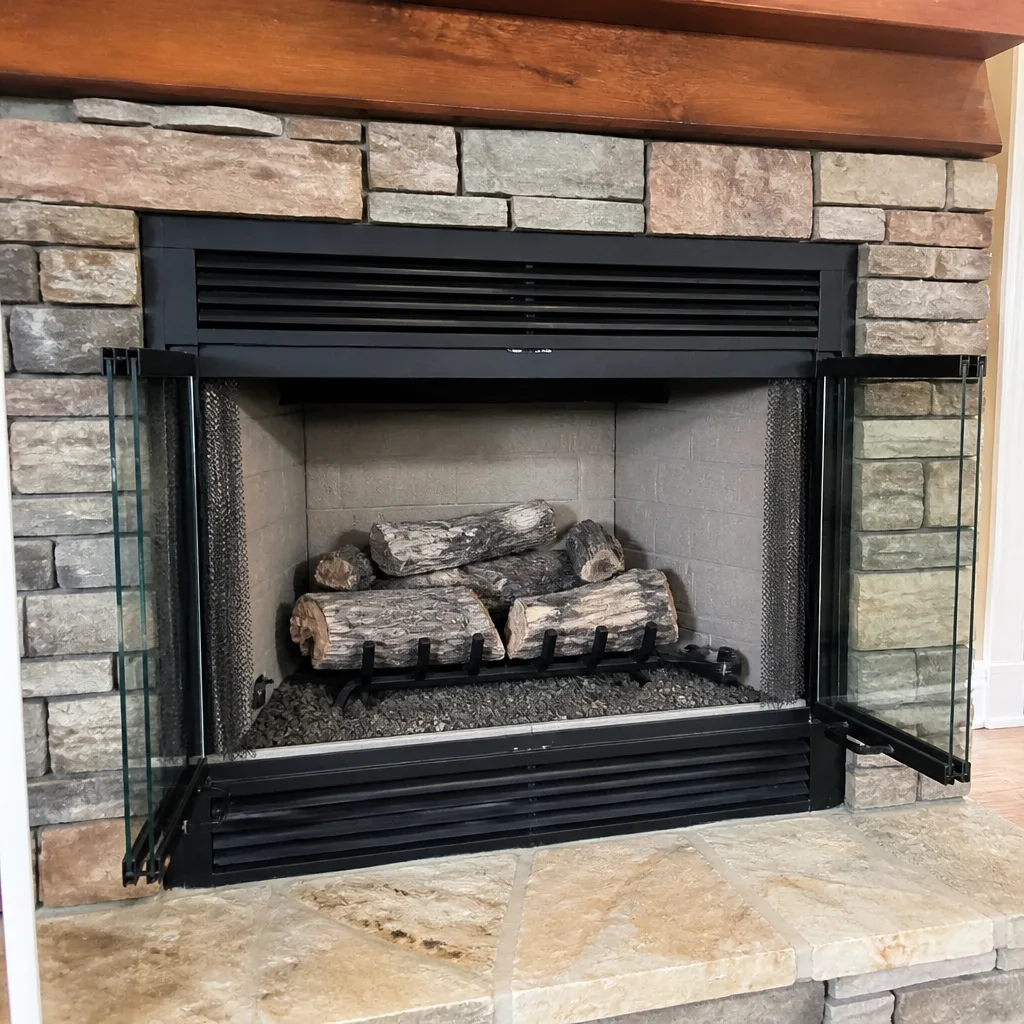 Gas fireplace service
Level 1 sweep and inspection to the NFPA 211 annual standard - flue, crown, cap, and flashing checked and photographed
Chimney sweep logs do not sweep chimneys. They loosen some creosote - which then falls where a brush and vacuum still have to collect it.
Chimney Cleaning Warning Signs: A Conroe Homeowner’s Reference Guide
Most homeowners assume a chimney problem announces itself with a roar of fire or a visible crack. In practice, the earliest warnings are quiet: a faint smoky smell in a room with no fire burning, a puff of smoke that rolls back into the living room before the flue warms up, a chalky white stain on the brick outside. These are not emergencies. They are data. The trouble is that most people in Conroe don’t know what they’re looking at, so they wait months, and a small draft issue becomes a liner problem. This guide teaches you how to read those signals, sort them into “watch” and “call now,” and understand what each one actually means inside your chimney.
Quick Answer
The core chimney cleaning warning signs are a smoky or acrid smell with no fire lit, smoke that draws slowly or backs into the room, dark creosote visible at the flue throat, rust streaks or white staining on the exterior, and spalling brick or crumbling mortar. Smell and smoke behavior are the two earliest indicators, and they usually point to a draft problem, a blockage, or a buildup of creosote before anything structural fails. If you notice any of them, a professional inspection confirms what’s happening inside the flue.
Styles & brands we work with
- Sweep & inspection
- Caps & crowns
- Flue relining
- Masonry repair
- Gas fireplace service
Table of Contents
- What Chimney Smells Tell You: Creosote vs. Moisture
- Reading Smoke Behavior as Diagnostic Data
- Exterior Clues: Rust, White Staining, and Spalling Brick
- Clay Soil, Foundation Settling, and Cracked Flue Tile
- Interior Signs You Can Check Yourself
- The Triage Framework: Monitor vs. Call Today
- Seasonal Timing for Conroe Homeowners
- What a Professional Inspection Actually Finds
What Chimney Smells Tell You: Creosote vs. Moisture
A smoky smell in a room with no fire burning isn’t a nuisance. It’s the most reliable early warning sign that your flue has a draft problem or a blockage, and it’s the one most Conroe homeowners dismiss for months before calling anyone. But not all smells mean the same thing. The character of the odor points to different causes, and learning to tell them apart is the single most useful skill in this guide.
Two categories cover almost everything you’ll notice:
- Sulfur and ash smell (creosote). Sharp, tarry, slightly acrid, sometimes like burnt wood that’s gone stale. This is the smell of creosote, the byproduct of incomplete combustion that coats the flue interior. A strong creosote smell in a cold fireplace means buildup has reached a level where it’s off-gassing into the room. It also signals a fire risk, because creosote is the fuel that feeds chimney fires.
- Organic or musty smell (moisture and growth). Damp, earthy, like a basement or wet leaves. This points to water getting into the chimney system, either through a failed cap, cracked crown, or missing rain cover. Moisture inside a flue degrades the liner and masonry over time and encourages organic growth on the chimney walls.
There’s a third smell worth knowing: a general “campfire in the living room” odor after you’ve stopped using the fireplace for the season. That’s usually a pressure or draft issue rather than a cleaning problem, and it’s common in Conroe homes where the chimney sits on an exterior wall and stays cooler than the house. A cool flue doesn’t draft well, and a weak draft lets smoke linger instead of rising.
What each smell is telling you
- Sharp and tarry: creosote buildup. Schedule a chimney sweep and have the flue checked for glazing.
- Musty and damp: water intrusion. Have the cap, crown, and flashing inspected before the next rain.
- Smoky only when cold: draft problem. A pre-heat trick or a top-sealing damper often solves it, but confirm with an inspection.
- Chemical or burnt-plastic smell: stop using the fireplace and call for inspection. This is not a normal chimney odor.
If you can’t place the smell, don’t guess. A professional inspection with a camera looks inside the flue and tells you exactly what’s producing the odor. When we inspect a chimney in Conroe, the camera feed and photo report show the homeowner what we’re seeing, so the recommendation is based on evidence they can review, not a sales pitch.
Reading Smoke Behavior as Diagnostic Data
Smoke is the chimney’s body language. Where it goes, how fast it rises, and whether it stays in the firebox all tell you something about the flue’s condition before any visible damage appears. Most people only notice smoke when it’s already in the room, but the earlier signals are subtler.
Here’s how to read what you’re seeing:
- Smoke slow to draw at startup. A cold flue has to warm up before it pulls air. Some lag is normal. If it takes more than a minute or two and the smoke hovers near the damper, the flue is undersized, blocked, or losing heat. This is a monitor-and-schedule sign, not an emergency.
- Smoke rolling back into the room. This is the classic draft reversal. It can come from a blockage (nesting material, a collapsed tile, soot buildup), a pressure imbalance in the house, or a flue that’s too short or too cold. It’s a call-today situation if it happens every fire. It can wait if it only happens on cold, windy days.
- Smell without visible smoke. The fire burns clean, but the room smells smoky. This points to a small leak somewhere in the system, often at a joint or gasket, and it’s worth an inspection to locate.
- Smoke that pulses or stutters. Up-and-down smoke behavior suggests a partial obstruction. Air is moving, but not smoothly. This is usually a blockage that needs to be removed.
Why Conroe chimneys are prone to slow draw
Conroe’s mild winters and warm shoulder seasons mean the fireplace often gets used intermittently. A flue that sits cold for weeks drafts poorly on the first fire of the month. Add a house that’s tightly sealed for air conditioning and the pressure balance can push smoke back into the room even when the flue is clean. That’s not a cleaning problem, but a professional inspection identifies the cause so you’re not chasing the wrong fix. A top-sealing damper from a brand like Famco is one common solution for intermittently used Conroe fireplaces, because it seals the flue tight when not in use and improves the cold-start draft.
Exterior Clues: Rust, White Staining, and Spalling Brick
Walk outside and look at your chimney for two minutes. The exterior tells you more about interior liner condition than most homeowners realize, and it’s the cheapest inspection you’ll ever do. Three visible signs are worth knowing.
Rust streaking
Orange-brown streaks down the chimney’s face or around the firebox mean metal components are corroding. That could be a rusted damper, a rusted cap, or a failing metal liner. Rust doesn’t form without moisture, so streaking is also a sign water is getting into the system. A rusted damper frame is a common find on Conroe homes that have gone a few seasons without a cap inspection.
White staining (efflorescence)
A powdery white residue on brick or mortar is efflorescence, a mineral deposit left behind when water moves through the masonry and evaporates. It’s not dangerous by itself, but it’s a reliable indicator that moisture is passing through the chimney walls. Left alone, that same moisture causes mortar to weaken and brick to fail. Efflorescence on a chimney is worth an inspection even if you have no other symptoms.
Spalling brick
When brick faces flake, peel, or pop off, that’s spalling. It usually means water has been absorbed and frozen or expanded inside the brick, or the masonry has lost its bond. Spalling on the upper portion of a chimney is common in Conroe because that’s where the crown and flashing do their work. When they fail, the brick below absorbs water and breaks down. Spalling is a schedule-soon sign: the chimney still functions, but the masonry is degrading, and repair is cheaper before it spreads.
What the exterior tells you about the liner inside
- Rust streaks plus a damper that sticks: corrosion inside the firebox or on the damper, likely from moisture.
- White staining plus a musty smell inside: water entering through a failed crown or missing cap, plus possible liner moisture.
- Spalling plus crumbling mortar joints: masonry failure, likely affecting the flue tile behind it.
- All three together: time for a full inspection. The interior is likely showing the same moisture damage.
If the exterior checks out clean, that’s genuinely good news, and it’s confirmation you can wait. Fixing caps and crowns is often a matter of matching the right components. We install caps and dampers from Famco and Copperfield because those parts hold up to the weather and fit correctly, which is the difference between a repair that lasts and one that fails in a season.
Clay Soil, Foundation Settling, and Cracked Flue Tile
Here’s the piece most chimney guides skip. Conroe sits on heavy clay soil, and clay-rich soil expands when wet and contracts when dry. That seasonal movement of the soil under a house can cause minor foundation settling over time. Chimneys are heavy masonry structures attached to the house, and when the house settles even slightly, the chimney doesn’t always move with it in the same way. The result is stress on the flue tile, the clay or ceramic liner sections inside the chimney.
Cracked flue tile is serious because the flue tile is what keeps smoke and heat away from the wood framing of the house. A hairline crack in a flue tile doesn’t necessarily cause a problem today, but it becomes a bigger issue over time as the crack widens from heat cycling. And here’s what makes it tricky: a cracked flue tile usually looks completely unrelated to chimney function. There’s no smell, no smoke problem, no visible exterior sign. The only way to find it is with a camera inspection.
Signs that settling may have affected your chimney
- A gap at the roofline. Look where the chimney meets the roof. A widening gap or fresh caulking that’s pulling away suggests movement.
- A chimney that leans or separates from the house. Even a slight lean relative to the wall is worth an inspection.
- New cracks in nearby interior walls or ceiling. These often show up around the fireplace or on the wall adjacent to the chimney.
- Mortar joints that have opened up. If the joints look wider than they were, the masonry has moved.
- A door or window that suddenly sticks. A settling house shifts, and the chimney shifts with it.
In our experience working in Conroe, foundation-related flue damage is one of the most under-diagnosed chimney issues because it’s invisible from every angle a homeowner can check. The fix isn’t to rebuild the chimney. A flexible stainless-steel liner, like the DuraFlex systems we install, runs a new flue inside the old one and restores the barrier without requiring the chimney to be torn apart. That’s the professional response to a cracked tile: reline rather than rebuild.
Interior Signs You Can Check Yourself
Before you call anyone, there are several things you can look at inside the house that give you a clearer picture of what’s happening in the chimney. None of these require climbing on the roof or opening the firebox. They’re observations, not repairs, and they’re safe to do.
- Look up the flue from the firebox with a flashlight. You’re checking for visible creosote buildup, which looks like black, tarry crust on the walls. If you can see more than a thin coating, it’s time for a sweep. Don’t try to remove it yourself.
- Check the damper. Open and close it several times. It should move smoothly and seal completely. A damper that sticks, won’t close fully, or feels loose is a sign of wear or corrosion.
- Inspect the firebox for cracks. Hairline cracks in the firebox brick or mortar can let heat and smoke escape into the house. Any crack wider than a hairline deserves a professional look.
- Check the smoke shelf and smoke chamber. The area just above the damper collects soot and sometimes debris. If it looks heavily coated, your flue is overdue.
- Look for soot stains above the firebox opening. Soot tracks above the opening or on the mantel face suggest smoke has been escaping into the room, which points to a draft or blockage problem.
- Listen for animal sounds. Scratching, chirping, or rustling from the flue is a sign of birds or squirrels nesting in the chimney. Nests block the flue and are a fire hazard.
If any of these checks surprise you, take a photo and note the date. Photos help a professional understand what you’re seeing and how long it’s been there. The best inspections happen when the homeowner can describe what they’ve noticed, not just say “it smells smoky.”
What you should not check yourself
Some parts of the chimney are genuinely dangerous to inspect without training. The high-tension springs and cables in a garage door are a familiar example of a component homeowners are rightly told to leave alone. Inside a chimney, the equivalent is the flue interior above the firebox, the crown on the roof, and any gas appliance connection. High heat, soot, and carbon monoxide risk make those areas a job for a trained professional. If you suspect a problem in the flue or on the roof, that’s when you call for an inspection rather than climb up with a flashlight.
The Triage Framework: Monitor vs. Call Today
Not every warning sign demands a same-day response. Knowing the difference keeps you from panic-calling on a slow draw and, more importantly, from ignoring something that actually needs attention. Here’s how we sort the signs.
Monitor and schedule (no urgency)
- A faint smoky smell that appears only right after a fire is put out.
- Slow draw at the first fire of the season but normal draft after warm-up.
- A light coating of soot visible up the flue.
- Minor efflorescence on the exterior with no other symptoms.
- A sticking damper that still closes.
- A single hairline crack in firebox mortar.
Schedule within a few weeks
- A strong creosote smell inside the room with no fire burning.
- Persistent musty smell or visible white staining plus a damp chimney interior.
- Spalling brick or crumbling mortar on the exterior.
- Smoke that backs into the room only on windy days.
- Evidence of a nest or animals in the flue after they’ve vacated.
- Rust streaking on the exterior with a damper that won’t fully close.
Call today (stop using the fireplace)
- Smoke rolling back into the room on every fire.
- A strong chemical or burnt-plastic smell, or any smell you can’t identify.
- Visible creosote glazing inside the flue (shiny, bubbled, or thick tarry crust).
- Live animals or a large nest actively blocking the flue.
- Any carbon monoxide alarm sounding or a headache and nausea that appear only when the fireplace is in use.
- Cracks in the firebox or flue that you can see clearly with the firebox cold.
For the call-today list, the pattern is simple: it involves heat, carbon monoxide, or an obstruction that’s actively blocking the flue. Those three are where the risk of a chimney fire or CO exposure goes up, and no one should keep burning until they’re checked. Everything else can be scheduled without drama, and knowing that is the point of this guide.
Seasonal Timing for Conroe Homeowners
Chimney maintenance in Conroe has a rhythm, and it’s different from the schedule most national chimney advice assumes. Winters here are mild, which means fewer roaring fires but also more intermittent use, and intermittent use is its own kind of wear. A flue that sits cold for two or three weeks drafts poorly on the next fire, which is why so many Conroe homeowners report smoke problems in December even though the chimney is fine.
The practical sequence is this:
- Early fall: get the chimney inspected and swept before the first fire of the season. Creosote that built up last year doesn’t go away in the summer, and an inspection before use is the cleanest time to catch problems.
- Mid-winter: check the exterior after heavy rain. Conroe’s rain can find failed flashing and crown cracks, and early detection saves masonry.
- Late winter: notice any new smells or draw issues that developed during the season. These are the ones that get forgotten by spring.
- Spring: schedule repair work for anything the inspection flagged. Warmer weather is a good time to reline a chimney or reset a crown before the next burning season.
If you’ve recently bought a home in Conroe with a fireplace you’ve never used, treat the situation as uninspected. The previous owner’s maintenance history is unknown, and a single inspection tells you what you have. When that inspection happens, it produces a clear photo report of everything found, and any repair recommendation is based on camera evidence rather than a guess. Repair work can wait when it’s safe to wait. We say so when it can.
What a Professional Inspection Actually Finds
A professional chimney inspection isn’t a quick look up the flue. It’s a structured review of every component that affects how the chimney handles heat, smoke, and water. The steps below are what an inspection covers when we inspect a chimney in Conroe, and each one exists because something specific can go wrong there.
The inspection sequence
- Exterior review. Cap, crown, flashing, brick, and mortar joints. This is where settling and water damage show up first.
- Firebox and damper check. Look for cracks in the firebox, a damper that seals, and any soot staining that suggests smoke has been escaping.
- Smoke chamber and flue scan. A camera goes up the flue to look for creosote buildup, cracked tiles, gaps at joints, and blockages. The camera feed is recorded.
- Liner assessment. The liner is the barrier between the flue gases and the house framing. If there are cracks or gaps, we tell you and show you the footage.
- Cap and vent check. A missing or damaged cap lets water and animals in. The venting at the top matters as much as the flue itself.
- Photo report and written recommendation. Everything found, shown with photos and sorted into what needs attention now and what can wait.
An inspection that turns up a damaged liner isn’t the end of the world. It’s the reason relining exists. HeatShield is a resurfacing system we use for liner repair, and DuraFlex flexible stainless-steel liners are the standard approach when the original tile is no longer serviceable. Both are products that chimney professionals specify by name because they’re built for the job. That’s the difference between an inspection that leads to a real repair and one that leads to a vague recommendation.
What you get from us
We offer sweeping, repair, and inspection under one company, so the inspection feeds directly into the repair without a handoff to someone else. The written estimate sets the final price for any work, and you’ll know what’s being recommended before you decide. If the chimney can wait a season, we’ll tell you that too, because the fastest way to lose a customer is to recommend thousands of dollars of work they can’t verify.
You can read more about our chimney repair work and what it covers. If you’re new to the area, our page on Conroe explains how local conditions shape chimney maintenance.
Common Mistakes to Avoid
- Burning a “cleaning log” as a substitute for a sweep. Those products don’t remove creosote from the flue walls, and they give a false sense of having handled it. A real sweep uses brushes and a camera to confirm the flue is clean.
- Ignoring a smell because the fire “works fine.” A chimney can draft well and still have a slow-smoldering creosote problem. The smell is the signal, not the smoke.
- Putting off exterior checks after heavy rain. In Conroe, a single failed flashing joint can let water into the masonry for months before any interior sign appears. Check the exterior once a season.
- Assuming a hot fire “burns off” creosote. A hot fire can ignite creosote, which is exactly the chimney fire you’re trying to prevent. Heat doesn’t clean the flue.
- Hiring a sweep who doesn’t use a camera. A visual look up the flue from the firebox can’t see cracks in the upper tile or a failed liner joint. The camera is what makes the inspection meaningful.
- Skipping the inspection because the fireplace “was fine” last year. Flue tile cracks from settling and water damage don’t announce themselves. An annual inspection is how you catch them early.
- Burning unseasoned wood to save money. Green wood creates more creosote because it burns cooler and incompletely. Dry, seasoned wood is the cheapest form of chimney maintenance.
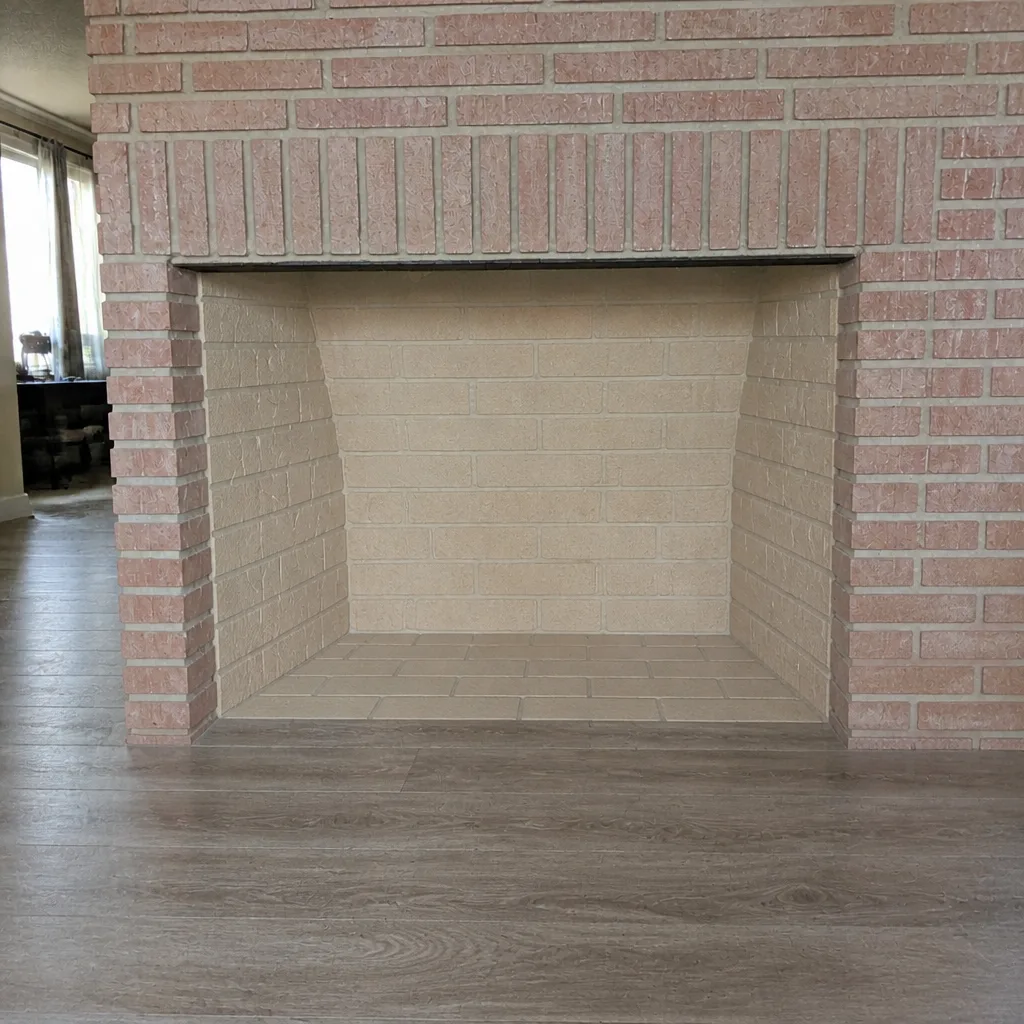
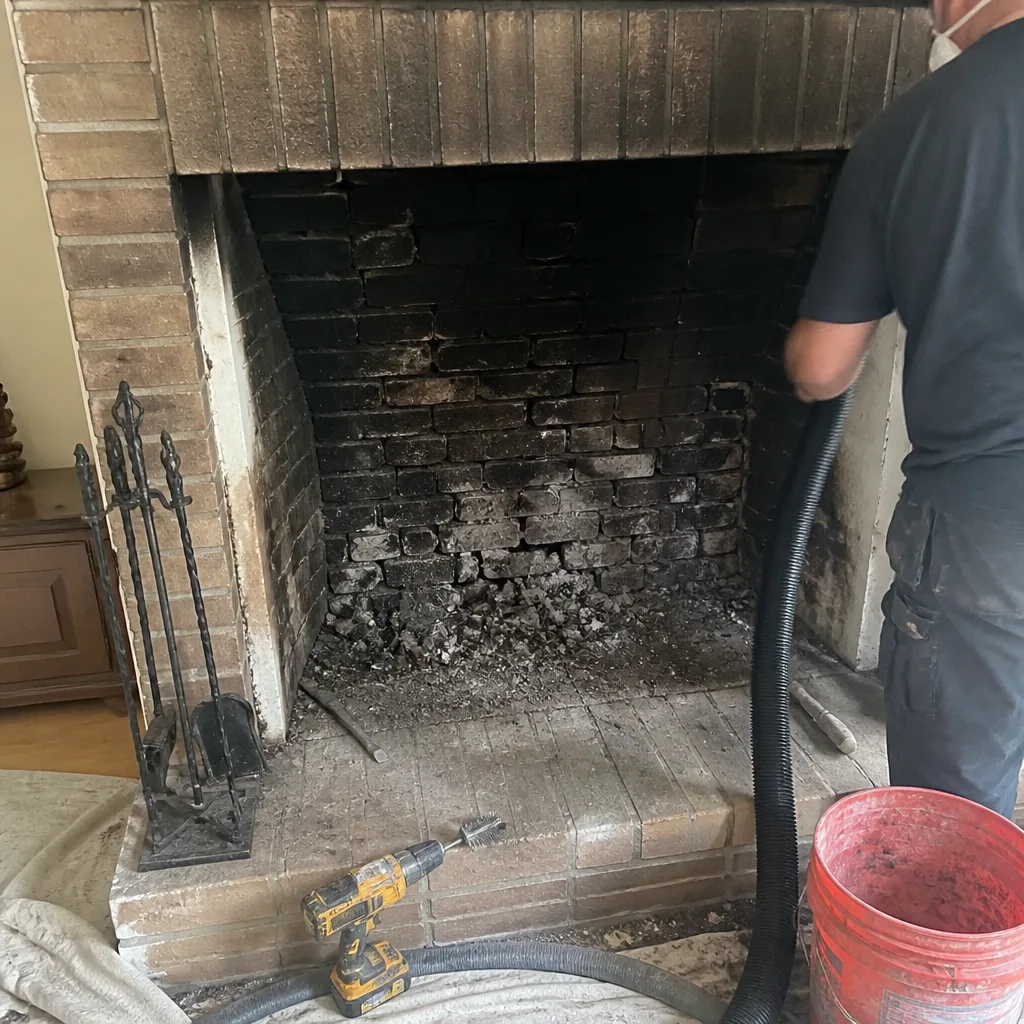
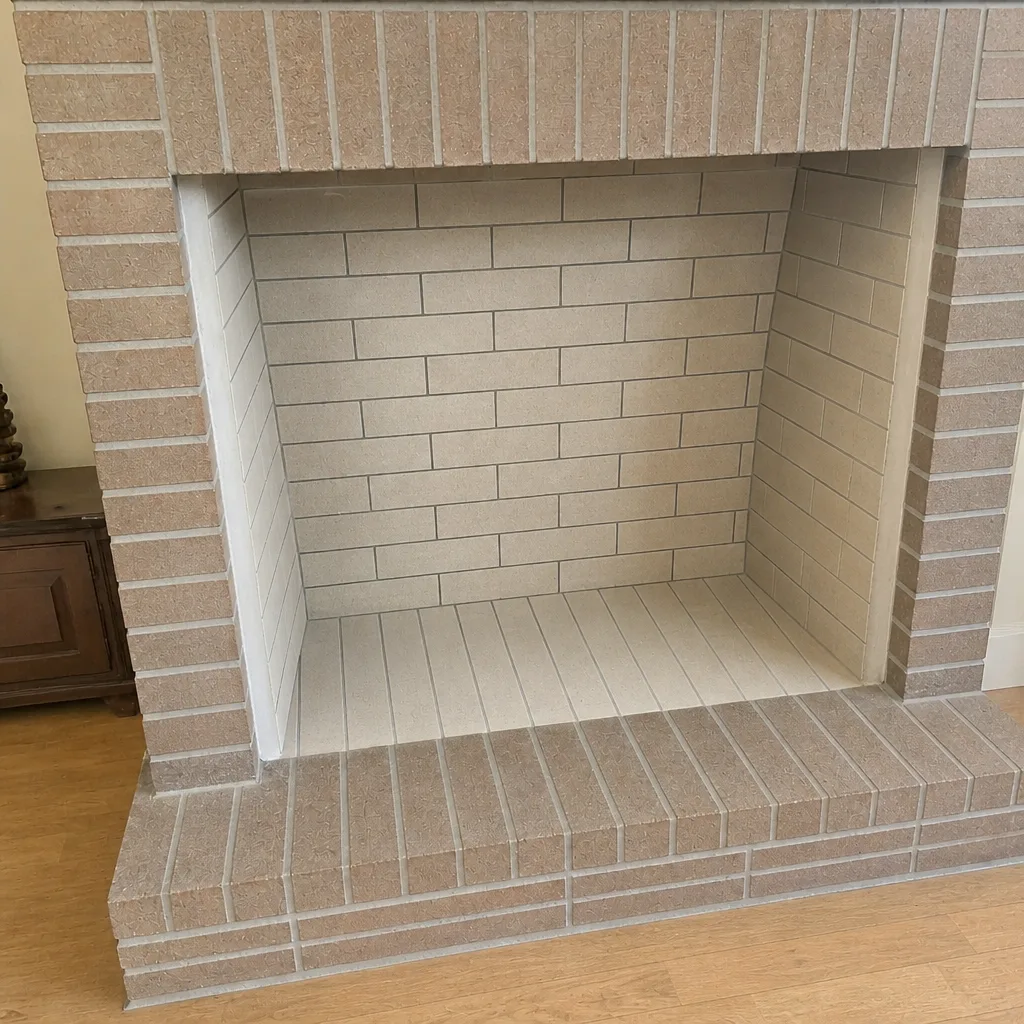
See the difference
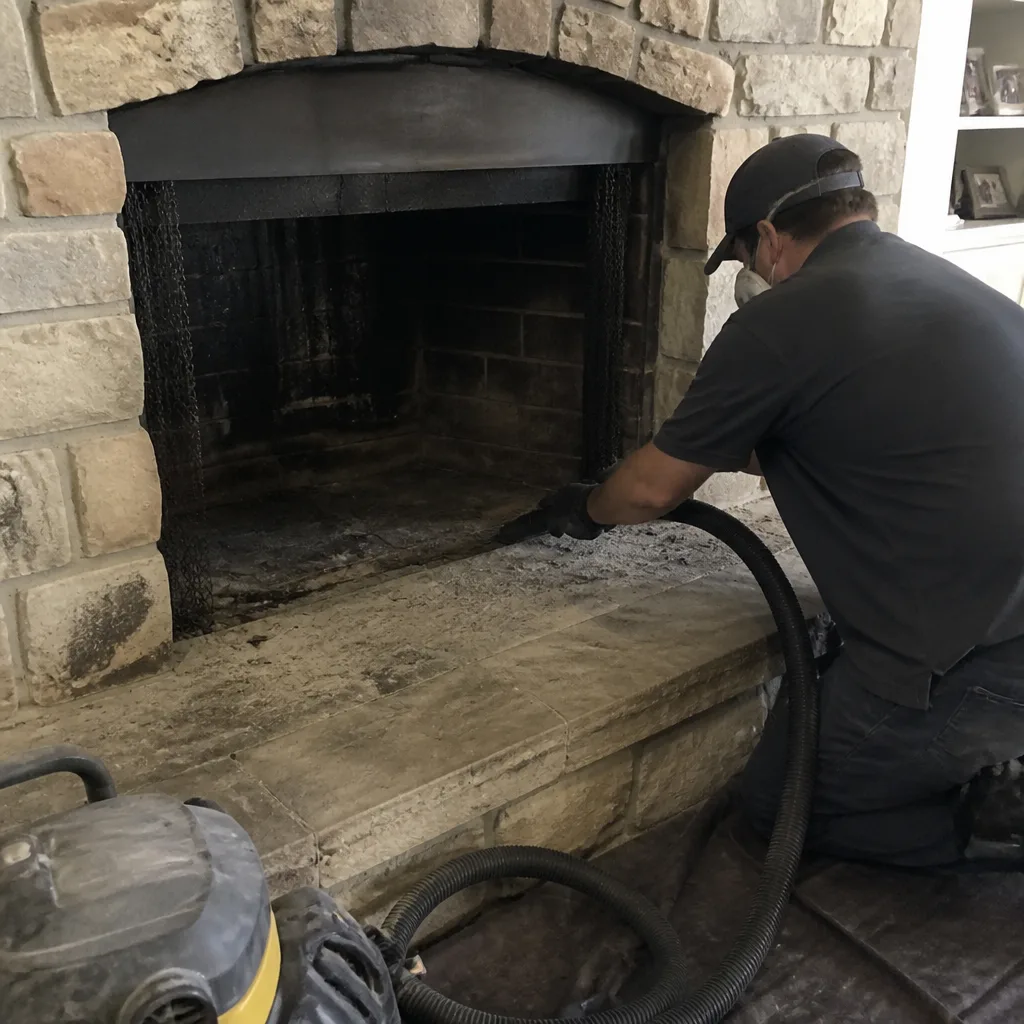 Before
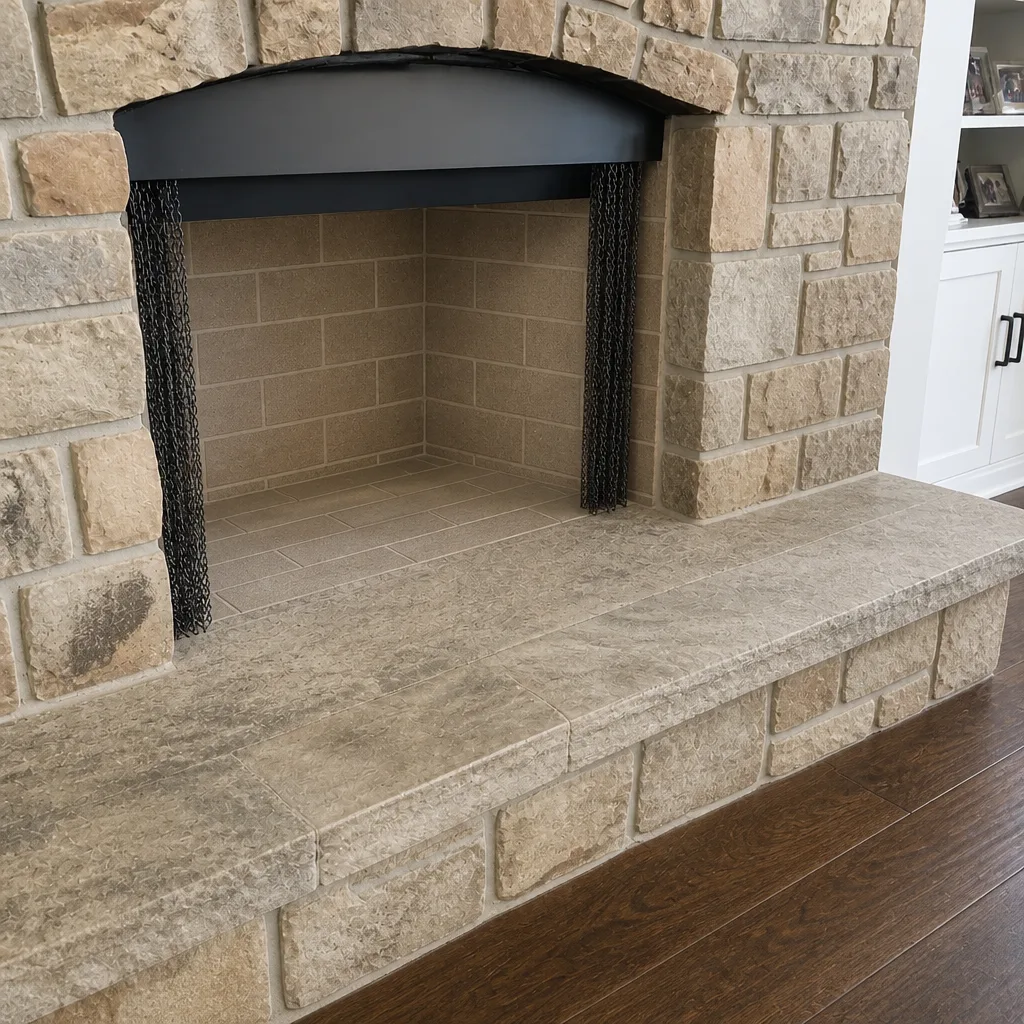 After
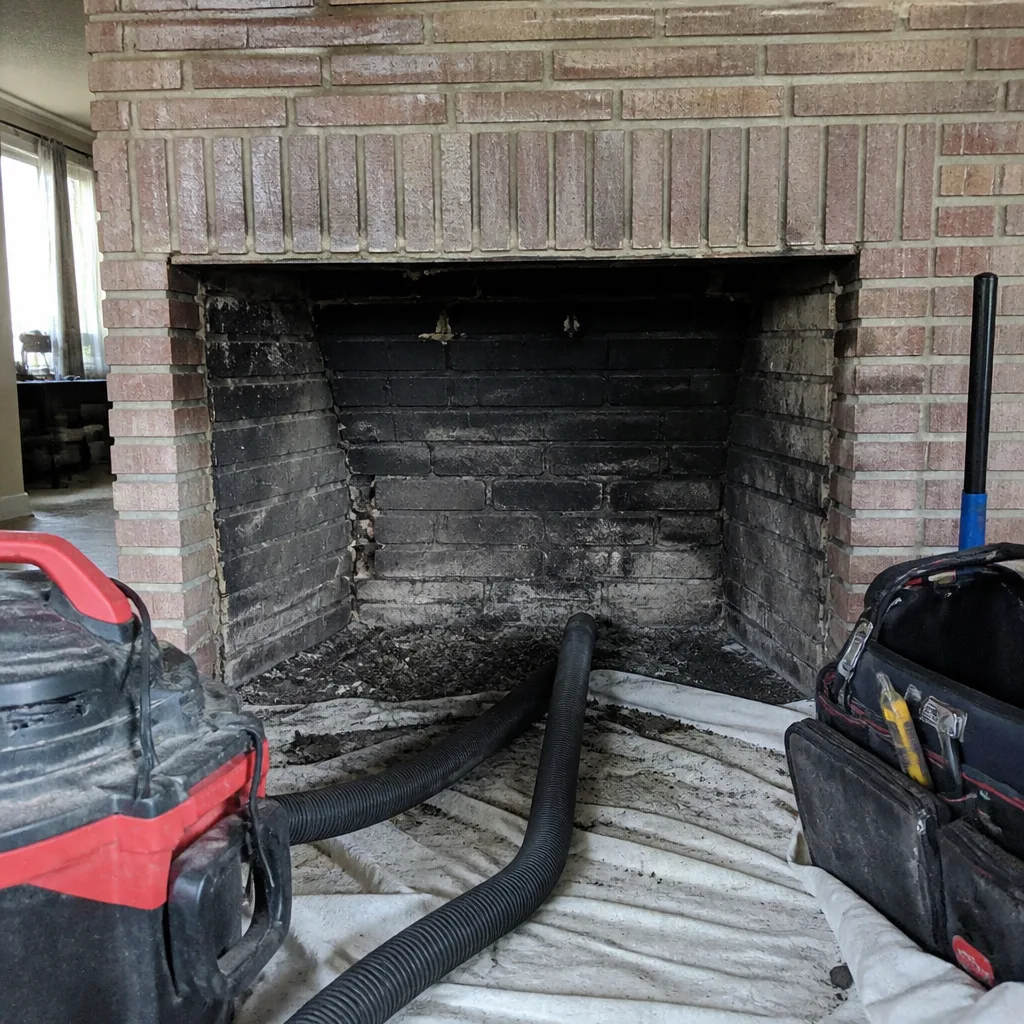 Before
 After
 Before
 After
When to Call a Professional
Call for a professional inspection when you notice any smell with no fire burning, smoke that rolls back into the room every time, or a creosote smell you can’t explain. Call when you see rust streaks, white staining, spalling brick, or a chimney that looks like it’s shifting away from the house. Call when any carbon monoxide alarm sounds. Call when you’ve just bought a home in Conroe and don’t know the maintenance history of the fireplace. Call before the first cold snap if you haven’t had the chimney looked at in a year.
Chimney Sweep Conroe offers free estimates in Conroe. Call (888) 401-8620. We answer 24/7. Fast dispatch from 7am to 7pm, Sunday through Friday. Nothing is recommended without camera evidence you can review for yourself.
Frequently Asked Questions
The first signs are usually a smoky smell in the room with no fire burning and a slow-drawing fire at startup. Both point to creosote buildup or a partial blockage, and both are cheaper to address before the flue is glazed. If the smell is strong and persistent, schedule a sweep. Call (888) 401-8620 for an exact quote, and estimates are free.
Most Conroe chimneys should be inspected once a year and swept when the inspection shows enough creosote to warrant it. A fireplace used regularly through the winter often needs an annual sweep, while a lightly used one may go longer between sweeps. The right answer comes from looking inside the flue, not from a calendar rule. Call (888) 401-8620 to book an inspection.
A smoky smell with no fire means either creosote is off-gassing into the room or the flue isn’t holding its draft. Creosote smell is sharp and tarry. A damp, musty smell points to moisture instead. Both are worth an inspection, because the fix differs. Call (888) 401-8620 for an exact quote, and estimates are free.
Yes. Conroe’s clay soil shifts as it absorbs and releases water, and that movement can stress the flue tile inside a masonry chimney. The crack may not show any symptoms until a camera inspection finds it. If you see new cracks near the fireplace or the chimney looks like it’s separating from the house, get it inspected. Call (888) 401-8620 to book.
It can be. Creosote is flammable, and enough buildup in the flue can feed a chimney fire that damages the liner or spreads beyond the chimney. A blocked flue can also push carbon monoxide back into the house. The risk goes up the longer a chimney goes uninspected. Call (888) 401-8620 for an inspection before the next burning season.
A slow draw that clears within a minute or two of the fire warming up is normal, especially on a cold flue. A draft problem is smoke that consistently backs into the room even after warm-up, or smoke that pulses and stutters. The second needs an inspection. Call (888) 401-8620 for an exact quote, and estimates are free.
The Bottom Line
Chimney problems rarely arrive with a bang. They show up as a smell you can’t place, a fire that’s slow to catch, a white stain on the brick, or a flue tile that cracked silently from clay-soil settling. Learning to read those signs turns a vague worry into a specific, informed decision. For Conroe homeowners, the right move is a camera inspection before the first fire of the season, a sweep when the creosote warrants it, and repair only when the footage shows a real problem. We offer the sweep, the repair, and the inspection under one company, so you know exactly what’s inside your chimney and what it needs.
Call (888) 401-8620 for a free estimate. We answer 24/7. Fast dispatch from 7am to 7pm, Sunday through Friday. Professional-grade materials from the brands chimney professionals specify by name (DuraFlex, HeatShield, Gelco, Olympia Chimney, Famco, and Copperfield) and a written estimate that sets the final price.
Written by the team at Chimney Sweep Conroe.