
Last updated November 16, 2026
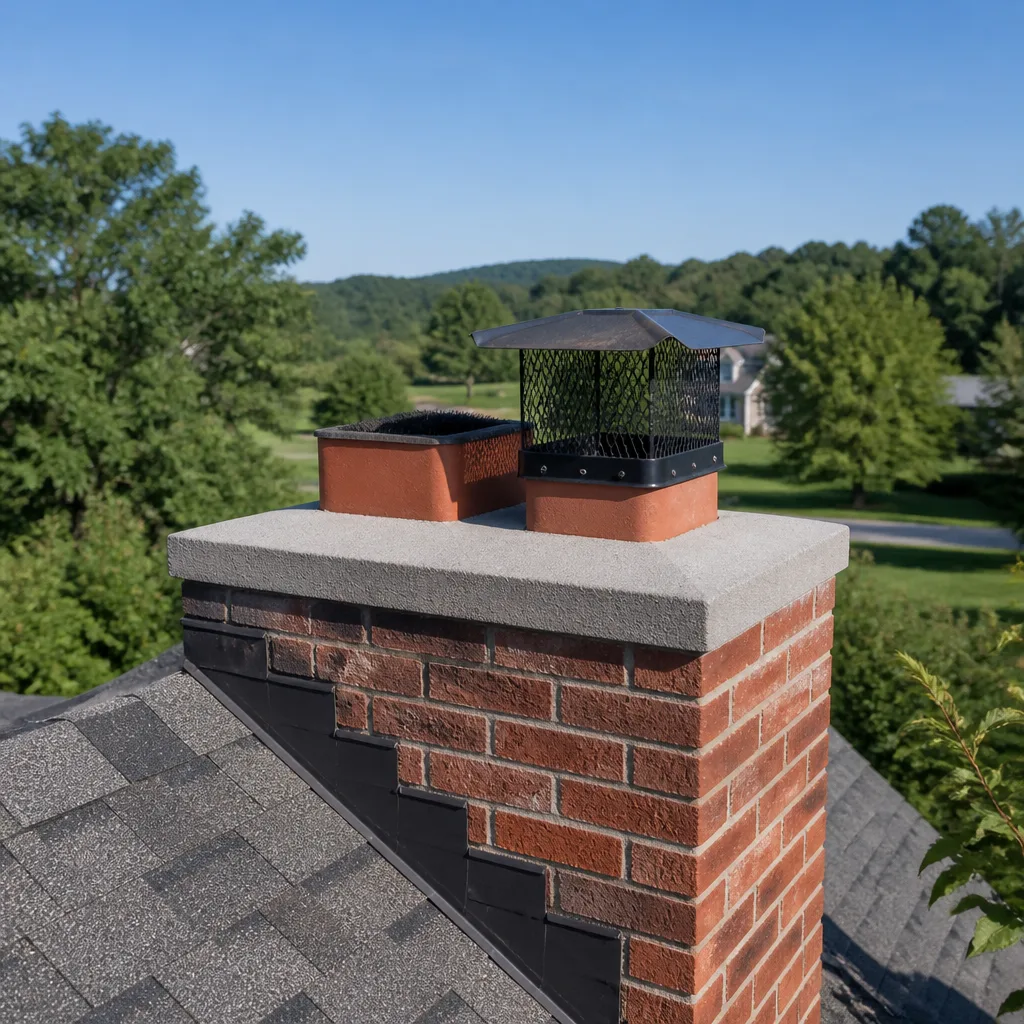 Sweep & inspection
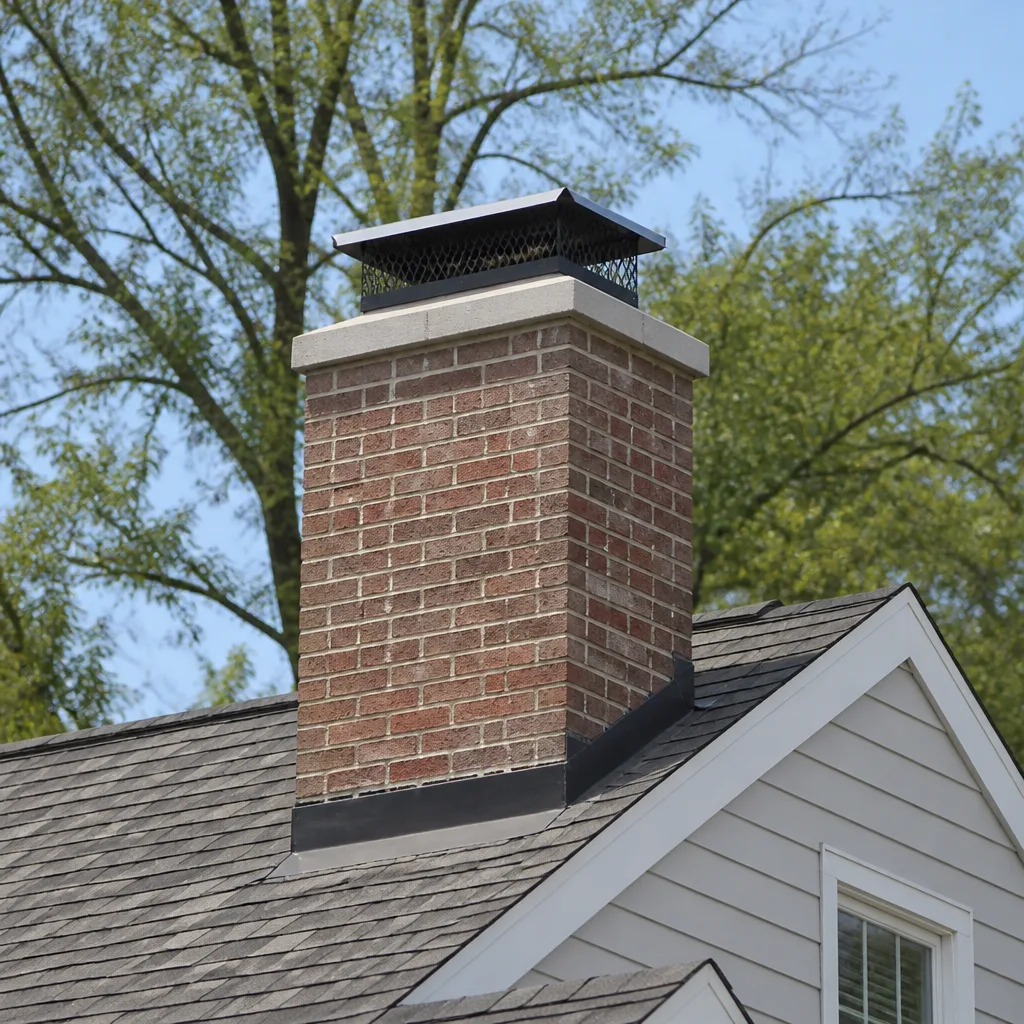 Caps & crowns
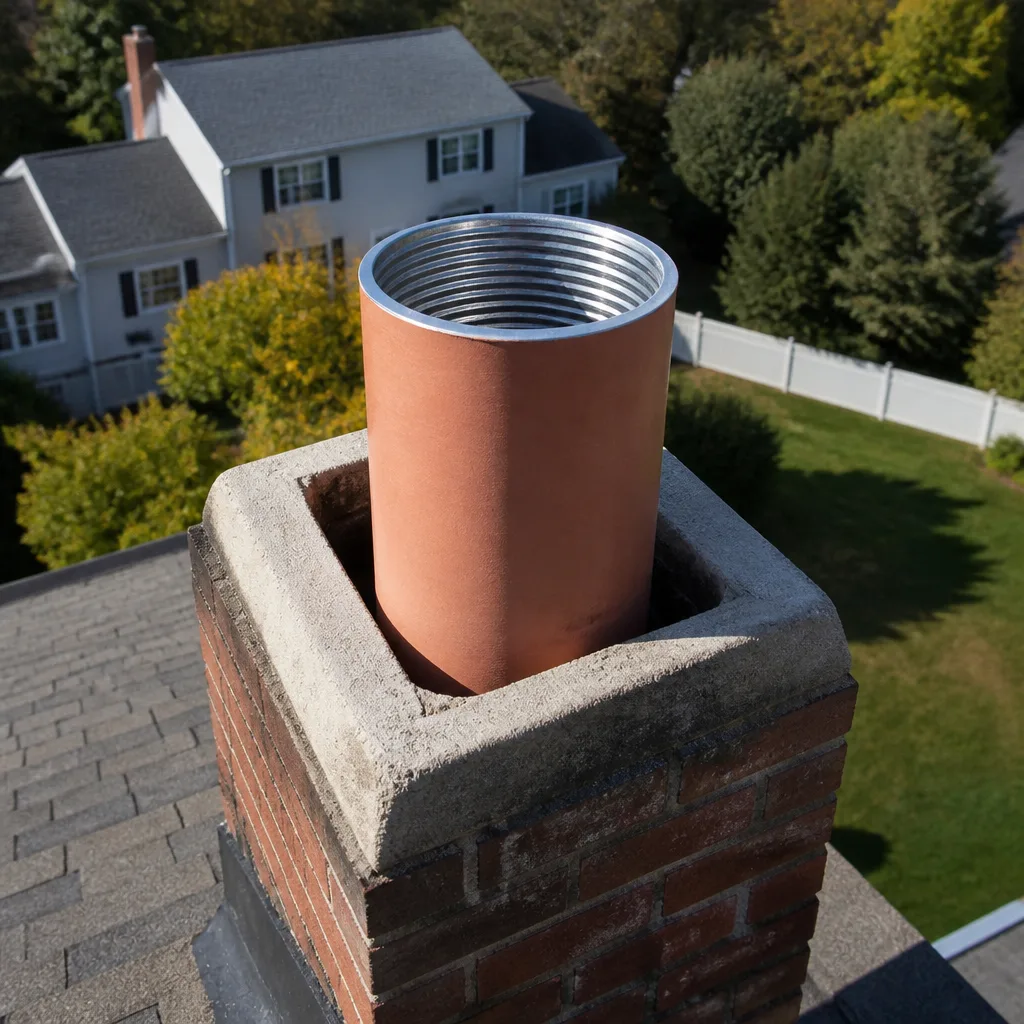 Flue relining
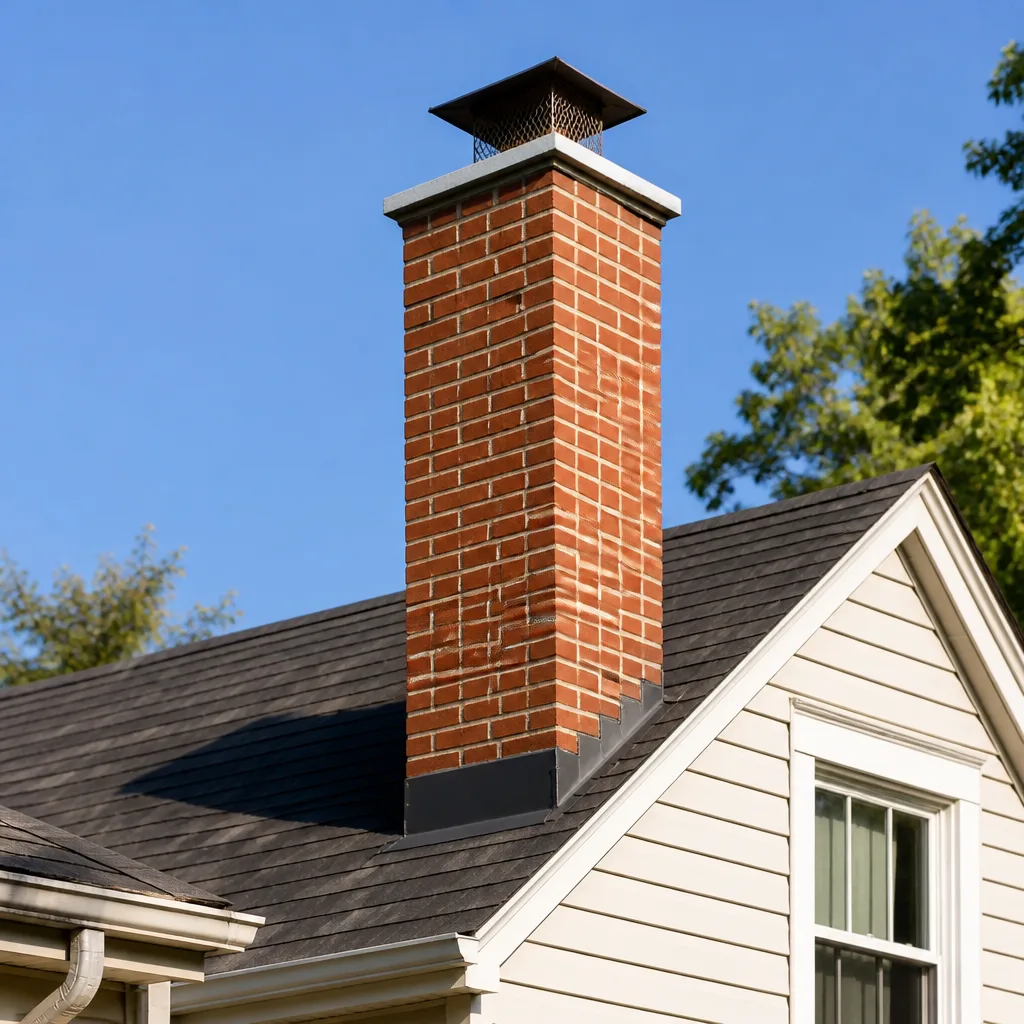 Masonry repair
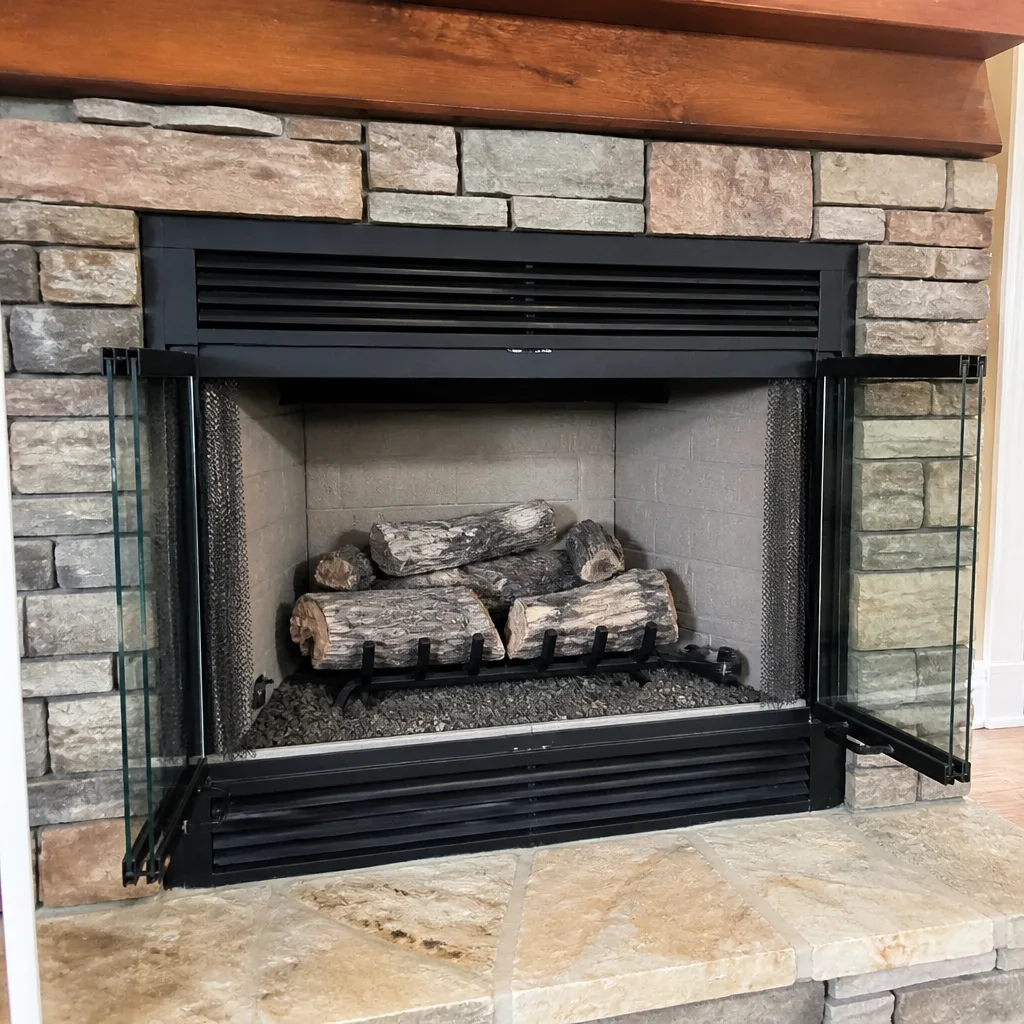 Gas fireplace service
Level 1 sweep and inspection to the NFPA 211 annual standard - flue, crown, cap, and flashing checked and photographed
Chimney sweep logs do not sweep chimneys. They loosen some creosote - which then falls where a brush and vacuum still have to collect it.
Chimney Sweep Troubleshooting in Conroe: Common Problems and How to Fix Them
If smoke is backing up into your living room, the instinct is to call for a cleaning. But a dirty flue is only responsible for that problem about half the time. The other half, you’re dealing with negative air pressure, a damaged damper, or a flue sized wrong for the appliance. Homeowners in Conroe tend to treat every chimney complaint as one issue, and that confusion is what turns a modest cleaning into a repair bill nobody planned for. This guide maps the symptoms you’re seeing to the root cause behind them, explains which problems get worse the longer you burn, and shows you what to check yourself versus what needs a professional camera inspection.
Styles & brands we work with
- Sweep & inspection
- Caps & crowns
- Flue relining
- Masonry repair
- Gas fireplace service
Quick Answer
Most chimney problems in Conroe trace back to one of four root causes: a blocked or sooted flue, negative air pressure inside the house, a failed damper or cap, or a damaged liner letting moisture and creosote into the masonry. Fix the cause, not the symptom. A cleaning solves the first; the other three need repair, and burning through them makes each one worse.
Table of Contents
- Symptom-to-Cause Map: What Your Chimney Is Telling You
- Why Conroe’s Humidity and Heat Accelerate Chimney Problems
- Backdrafting and Smoke Rollback: Not Always a Dirty Flue
- Chimney Odor in the Off-Season: What It Actually Means
- What You Can Safely Check Yourself vs. What Needs a Camera
- Which Problems Get Worse If You Keep Burning
- What Proper Repair Materials Look Like
- Common Mistakes to Avoid
- When to Call a Professional
- Frequently Asked Questions
Symptom-to-Cause Map: What Your Chimney Is Telling You
The single most useful troubleshooting skill is learning to read the symptom before you call anyone. Here’s how the common complaints break down against the four root causes we see most often in Conroe.
- Smoke rolling back into the room: usually negative pressure or a flue that’s too short or too small for the appliance. Occasionally a soot-blocked flue, but pressure problems are the more frequent culprit.
- Weak, lazy draft that gets worse over time: a partially blocked flue, a rusted damper stuck partway, or a cap that’s clogged with debris.
- Persistent musty or creosote smell when the fireplace is off: condensation in the flue or masonry pulling moisture and pushing it back into the house.
- Visible cracking in the firebox or smoke chamber: heat damage to the mortar and refractory surfaces, which needs resurfacing rather than a sweep.
- Water stains on the ceiling near the chimney or rust on the damper: a failed cap or crown letting water in, which is a weatherproofing repair.
Notice what’s missing from that list: “the chimney needs a sweep.” Cleaning addresses soot and creosote buildup, and it matters, but it’s one of four possible fixes. If a technician shows up and only ever offers a sweep, ask whether they actually checked the damper, the cap, and the flue sizing. We inspect it and we fix it, which means the diagnosis and the resolution come from the same visit.
Why Conroe’s Humidity and Heat Accelerate Chimney Problems
Conroe sits in a humid subtropical climate, and that matters more to chimney health than most homeowners realize. The winters are mild, so the fireplace gets used on cool evenings spread across a long season rather than a concentrated cold stretch. That pattern produces lots of short, low-temperature burns, which is a recipe for creosote rather than clean combustion.
The humidity is the bigger factor. Masonry is porous, and mortar joints are the weakest part of any chimney. In a humid climate, the mortar stays damp longer after rain, and repeated wet-and-dry cycling weakens it faster than it would in a dry climate. Once a joint starts to crumble, water gets deeper into the brick, and the next cool night’s fire drives that moisture out as vapor through the masonry. The visible result is spalling brick, eroded joints, and a crown that cracks. The hidden result is a smoke chamber and flue that degrade from the inside.
Humidity also drives liner condensation. When a metal liner is cold and the flue gases are warm and moist, moisture condenses on the liner surface. That condensation is acidic, and over time it corrodes the liner and the mortar around it. This is exactly the failure mode that a flexible stainless system like DuraFlex is designed to resist, which is why we work with professional-grade components rather than generic substitutes.
The practical takeaway for a Conroe homeowner: don’t wait for a cold snap to call someone. Schedule a chimney sweep before heavy seasonal use so the flue is clean and the technician can spot early mortar or liner trouble while it’s still a small fix. The climate here rewards inspection more than most places do.
Backdrafting and Smoke Rollback: Not Always a Dirty Flue
Here’s the counterintuitive part. When a Conroe homeowner calls us about smoke backing into the room, our first thought isn’t “dirty flue” – it’s “negative pressure.” A house that’s too airtight, or has exhaust fans pulling air out faster than the chimney can pull it in, will fight the fire. The chimney can be spotless and the smoke will still roll.
Common pressure culprits in a Conroe home:
- A kitchen exhaust fan, bath fan, or dryer running while the fire is lit
- A tightly sealed, well-insulated newer home with little natural makeup air
- The fireplace on a lower floor with the flue terminating too close to a taller roofline or tree line
- An open fireplace competing with a whole-house HVAC return
If pressure is the cause, a sweep won’t fix it. The troubleshooting steps are mechanical: check whether the smoke rolls only when another fan is running, open a nearby window to give the fire makeup air, and look at the cap and flue height. If those don’t solve it, the fix may be a damper adjustment, a vented cap, or in some cases a flue that needs to be resized or extended.
A plumbing and mechanical comparison helps here: a slow drain can be a clog or it can be a blocked vent stack, and the fix is completely different. A chimney is the same. Smoke rollback is a pressure or sizing symptom, and signing up for repairs without checking the damper and the flue first is how people overspend.
Chimney Odor in the Off-Season: What It Actually Means
That musty, smoky smell that creeps into the house on a warm, humid Conroe day when the fireplace hasn’t been used in weeks is not a mystery. It’s creosote and moisture in the flue being pushed back into the living space by pressure and humidity. Warm outdoor air rising and cool indoor air sinking creates a pressure difference that pushes the flue’s interior smell into the room.
What matters is figuring out which of two versions you have:
- Odor from residual creosote: the flue holds a layer of soot and creosote from past burns. A cleaning removes it, and the smell usually resolves.
- Odor from moisture in the masonry: condensation or a leak has saturated the flue or smoke chamber. Cleaning alone won’t fix this; the source of the water needs addressing, and the liner may need resurfacing or replacement.
A camera inspection tells you which one you’re looking at. If the flue is dry and just sooty, you’re in category one. If the liner is corroded or the smoke chamber is coated with glazed creosote or damp residue, you’re in category two. This is where a professional-grade resurfacing product like HeatShield earns its place: it’s the industry’s leading chimney resurfacing system, specified by name because it works on the surfaces that a generic patch won’t hold.
What You Can Safely Check Yourself vs. What Needs a Camera
Some troubleshooting is safe for a homeowner, and knowing the line makes you a sharper customer. Here’s the split we walk Conroe homeowners through.
Safe for you to check:
- Look up the flue from the firebox with a flashlight to see obvious soot or an obstruction.
- Listen for birds or debris in the cap from the ground.
- Check the damper handle to see whether it opens and closes cleanly.
- Look at the firebox and smoke chamber for visible cracking or crumbling mortar.
- Look for water stains, rust, or efflorescence on the masonry face.
Do not do this yourself:
- Climb onto the roof, especially wet roofs, which get slick fast in this climate.
- Disassemble or remove a chimney cap, damper, or crown.
- Use a camera or probe inside a flue without professional guidance.
- Open a firebox to inspect behind it for structural damage.
There’s a safety reason for that split, and it isn’t just the roof. Creosote is highly flammable and the interior of a flue can hold soot that ignites unpredictably. A camera inspection gets a trained eye and a light into the flue without putting anyone near a combustion surface. The Level II camera inspection is the tool that actually reveals liner cracks, offset joints, and hidden creosote glazing. Without it, everyone is guessing.
If you’re in doubt, don’t self-diagnose from the ground. A chimney repair visit begins with inspection, and the inspection is what separates a real answer from a sales pitch.
Which Problems Get Worse If You Keep Burning
Not every chimney problem is an emergency, and treating them all like one is its own mistake. Here’s how we sort them for Conroe homeowners: what gets worse fast, and what can safely wait.
Stop burning and call:
- Visible cracking in the firebox or smoke chamber: heat and gases can migrate into the framing. Every fire you light adds stress.
- Glazed creosote in the flue: a chimney fire risk. It only builds.
- Water leaking into the flue: moisture erodes the liner and mortar. Left alone, it turns a resurfacing job into a full relining.
- Smoke rollback that’s worsening: a symptom of pressure or a damaged flue, and not something to ignore.
Safe to monitor short-term, but worth scheduling:
- A small, non-structural hairline in the firebox refractory that isn’t worsening.
- Loose or missing mortar on the outside of the brick above the roofline.
- A damper that sticks but still opens fully when you help it.
- A cap that’s slightly loose but still shedding water.
The point of this split isn’t to scare you into the emergency column. It’s the opposite. Most repairs can be scheduled without rush, and telling you when work can safely wait is part of an honest service call. What isn’t safe is continuing to burn through a cracked firebox or a wet flue, because the fire accelerates the damage the moisture already started.
What Proper Repair Materials Look Like
This is where Conroe homeowners get the strongest protection against being sold a hardware-store workaround. Chimney repair is not a general handyman job. It’s work that has to hold up to heat, moisture, and chemical exposure, and the industry makes products built specifically for that. Here’s what a proper quote should reference.
- Resurfacing the smoke chamber or flue: HeatShield is the system professionals specify by name because it resists the heat and chemistry of a flue. A quote that says “we’ll patch it” without naming a product is worth questioning.
- Relining the flue: DuraFlex is a flexible stainless-steel liner system recommended by chimney professionals nationwide. It’s the standard for corrosion resistance in a humid climate.
- Replacing a damper or cap: Famco damper and cap products are used for the mechanical and weatherproofing components above and around the flue. These are the finish details many sweeps skip.
- Supply for less common fixes: Olympia Chimney and Gelco give repair access to a broad parts ecosystem when the problem isn’t standard.
We stock and install products from six professional chimney brands: DuraFlex, HeatShield, Gelco, Olympia Chimney, Famco, and Copperfield. When a quote references those names, you can verify them. When a quote references “high-temperature cement” with no brand, ask what it is and why it’s appropriate for the surface. That’s not an aggressive question. It’s a fair one for a repair that needs to hold for years.
The other half of material quality is scope. A company that cleans, repairs, and inspects doesn’t hand off findings to someone else. The inspection discovers the problem and the same visit can propose the fix, which is the accountability that matters. You can read more about our approach at Chimney Sweep Conroe.
Common Mistakes to Avoid
These are the errors we see most often in Conroe, and each one tends to cost more than the repair it was trying to avoid.
- Calling for a cleaning when the problem is pressure. If smoke rolls back only when an exhaust fan runs, a sweep won’t fix it. Diagnose the pressure issue first.
- Ignoring a smell in the off-season. A musty odor in the summer usually means moisture in the flue, and waiting until fall to address it lets the liner corrode through another season.
- Trusting a quote with no product names. “We’ll use a high-temp patch” is not a plan. Ask for the system: HeatShield for resurfacing, DuraFlex for relining, Famco for dampers and caps.
- Burning through a cracked firebox. The instinct is to use the fireplace while you gather quotes. That’s the one scenario where a small fire adds real damage. Stop burning until it’s inspected.
- Putting off the cap replacement. A loose or missing cap is the cheapest weatherproofing fix in the whole chimney stack and the most expensive one to skip. Rain into the flue does structural damage over a season.
- Skipping the Level II camera inspection on a home with an uninspected fireplace. A visual check from the firebox can’t see the liner offset. If you’ve just bought a house in Conroe, get the camera inspection before the first fire.
- Letting a non-specialist handle liner work. Chimney repair is its own trade. A generalist may patch a surface that needs resurfacing with a material that won’t hold, and you’ll pay twice.
When to Call a Professional
Call us when you’ve hit a scenario where the diagnosis matters and you can’t safely reach it from the ground. That includes a firebox or smoke chamber crack, a chimney that’s backing up smoke even with every exhaust fan off, water stains or efflorescence on the exterior brick, a flue that smells musty between burns, a home you’ve just bought with a fireplace nobody has inspected, or a flue that needs a liner replacement. Those are the cases where a Level II camera inspection and a professional-grade material plan are the actual answer, and the camera evidence is yours to see.
Chimney Sweep Conroe offers free estimates in Conroe. Call (888) 401-8620. We answer 24/7. Fast dispatch from 7am to 7pm, Sunday through Friday. If you’d rather read about our service area first, you can learn more about Conroe and the work we do here.
Frequently Asked Questions
A standard chimney sweep in Conroe usually runs in the low-to-mid hundreds of dollars, and a Level II camera inspection is quoted separately depending on access and flue length. Because the estimate is set per job and written before we start, you’ll know the number before any work runs, and the written estimate sets the final price. Call (888) 401-8620 for an exact quote – estimates are free.
Not always, and you shouldn’t agree to one until you’ve seen the reason. A liner is recommended when the camera inspection shows corrosion, cracking, offset joints, or moisture damage that a resurfacing product can’t reach. HeatShield handles certain liner surfaces; a full DuraFlex relining is for the cases where the existing liner can’t be saved. If your liner is dry and intact, ask to see the footage and hold the decision. Call (888) 401-8620 for an inspection-first estimate.
Once a year for a fireplace in regular use is the working standard in this climate, with a camera inspection at the same time on a home whose fireplace history is unknown. Conroe’s long burn season and humidity make the annual visit more valuable than it would be in a dry, cold climate – it catches moisture damage early. If you burn more than a cord a season, ask about a mid-season check. Call (888) 401-8620 to get on the schedule.
The smell is creosote and moisture in the flue being pushed into the house by pressure and humidity, not a sign that something is burning. A cleaning addresses the creosote half; the moisture half needs an inspection to find whether the flue or masonry is pulling water in. If the smell is strong and consistent, get it looked at before the next season. Call (888) 401-8620 for an inspection-first visit.
A skipped sweep lets creosote build to a level that can ignite, which is a real chimney-fire risk. A skipped repair on a cracked firebox or wet flue lets heat and moisture continue to damage the structure, and the small fix becomes a larger one. There’s no need to panic, but there is a reason to schedule the work rather than drop it. Call (888) 401-8620 and we’ll tell you plainly what can wait and what shouldn’t.
No, not until it’s been inspected. A chimney fire can crack a flue in ways you can’t see from the firebox, and burning again could let heat and gases into the framing. Stop using the fireplace, book the inspection, and let the camera tell you what’s inside. Call (888) 401-8620 and we’ll get the inspection on the schedule.
The Bottom Line
Most of what looks like a “drafting problem” in a Conroe chimney is one of four root causes: soot and creosote buildup, negative pressure, a failed damper or cap, or moisture damage to the liner and masonry. Read your symptom against that list before you call, because the fix is different for each, and a sweep only solves the first. Our humidity and long burn season make liner condensation and mortar decay more likely here, so annual inspection matters more than the calendar suggests. When you’re ready for a real diagnosis, Chimney Sweep Conroe inspects it and repairs it with the brands professionals specify: DuraFlex, HeatShield, Gelco, Olympia Chimney, Famco, and Copperfield. Call (888) 401-8620 for a free estimate. We answer 24/7. Fast dispatch from 7am to 7pm, Sunday through Friday.
Written by the team at Chimney Sweep Conroe.
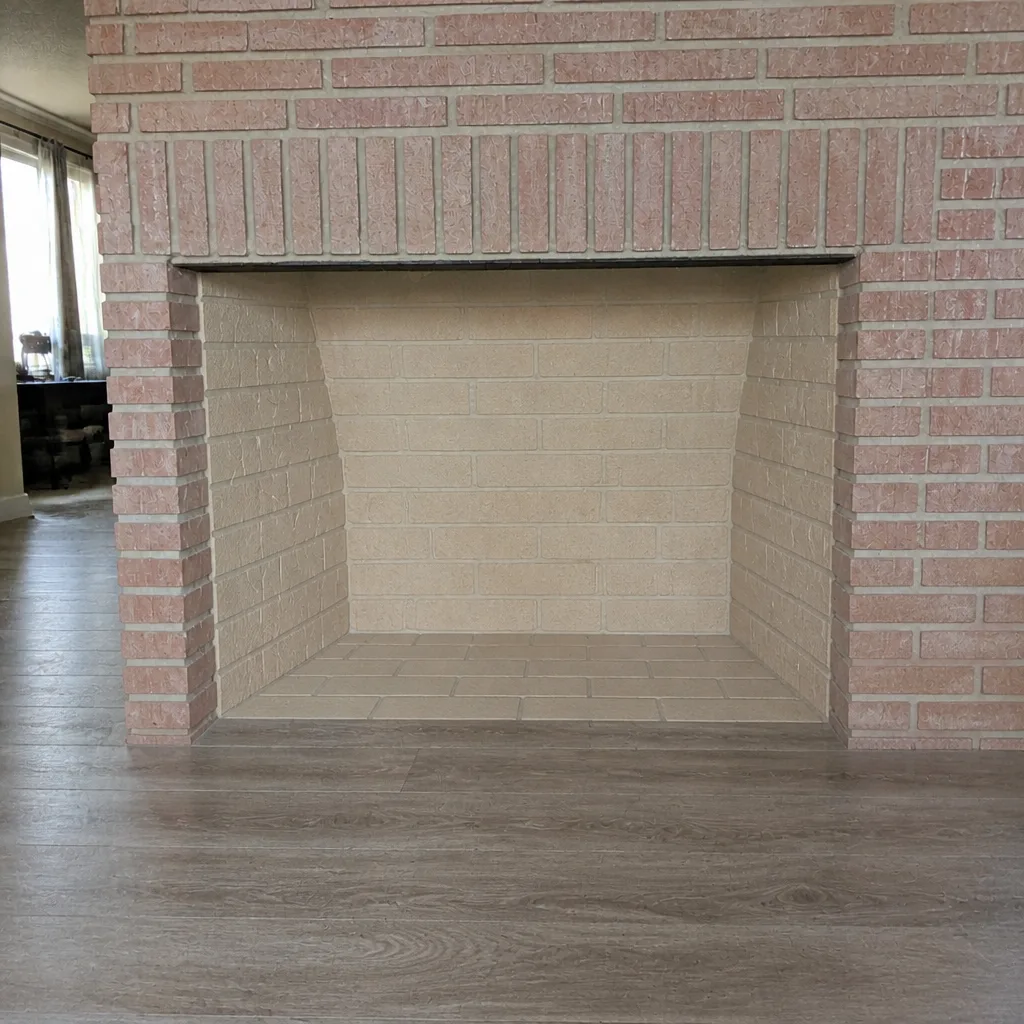
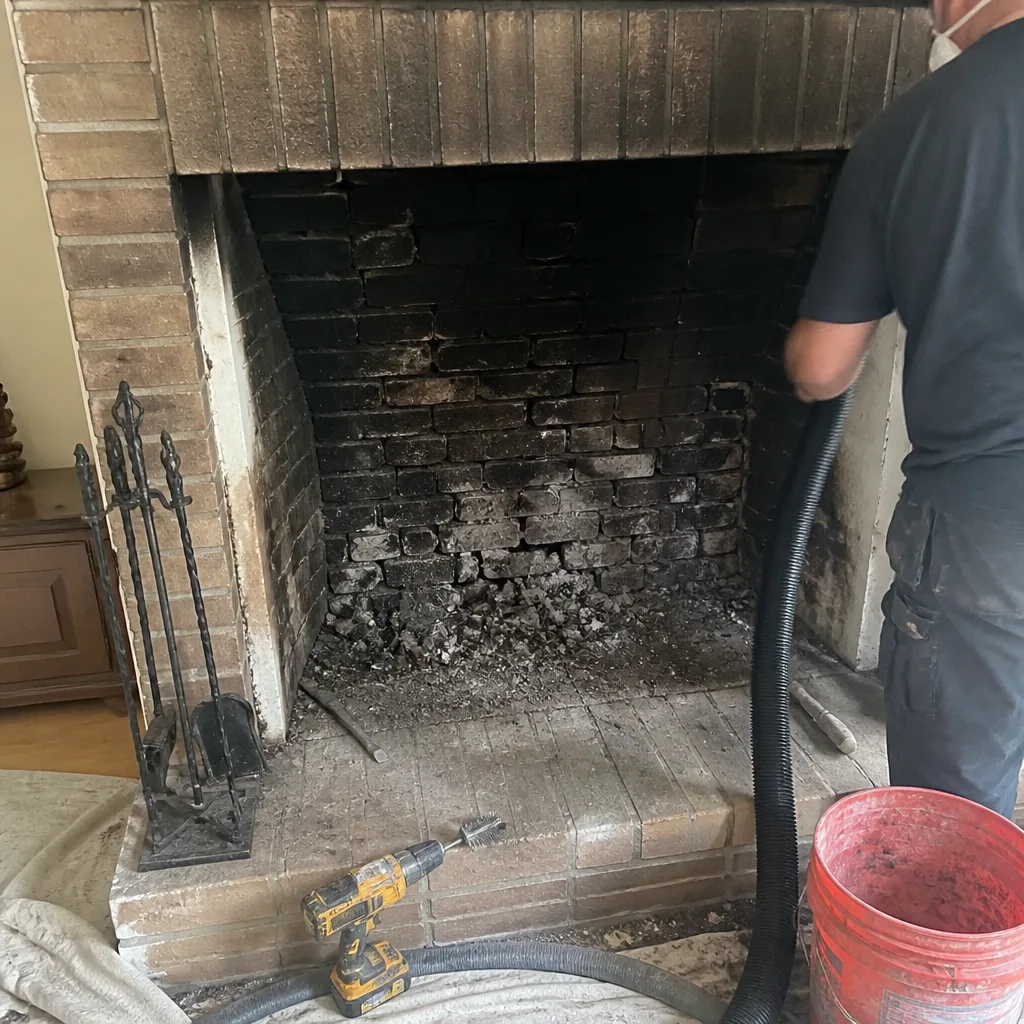
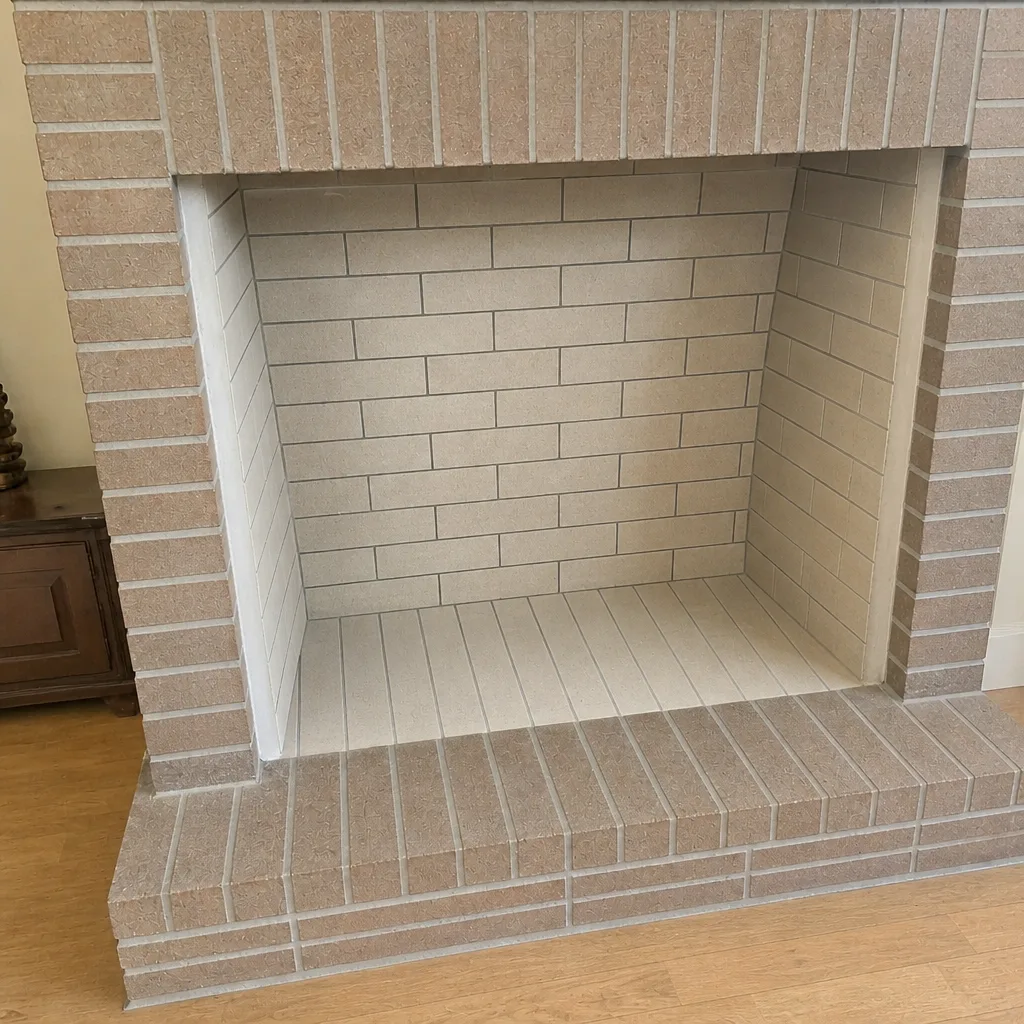
See the difference
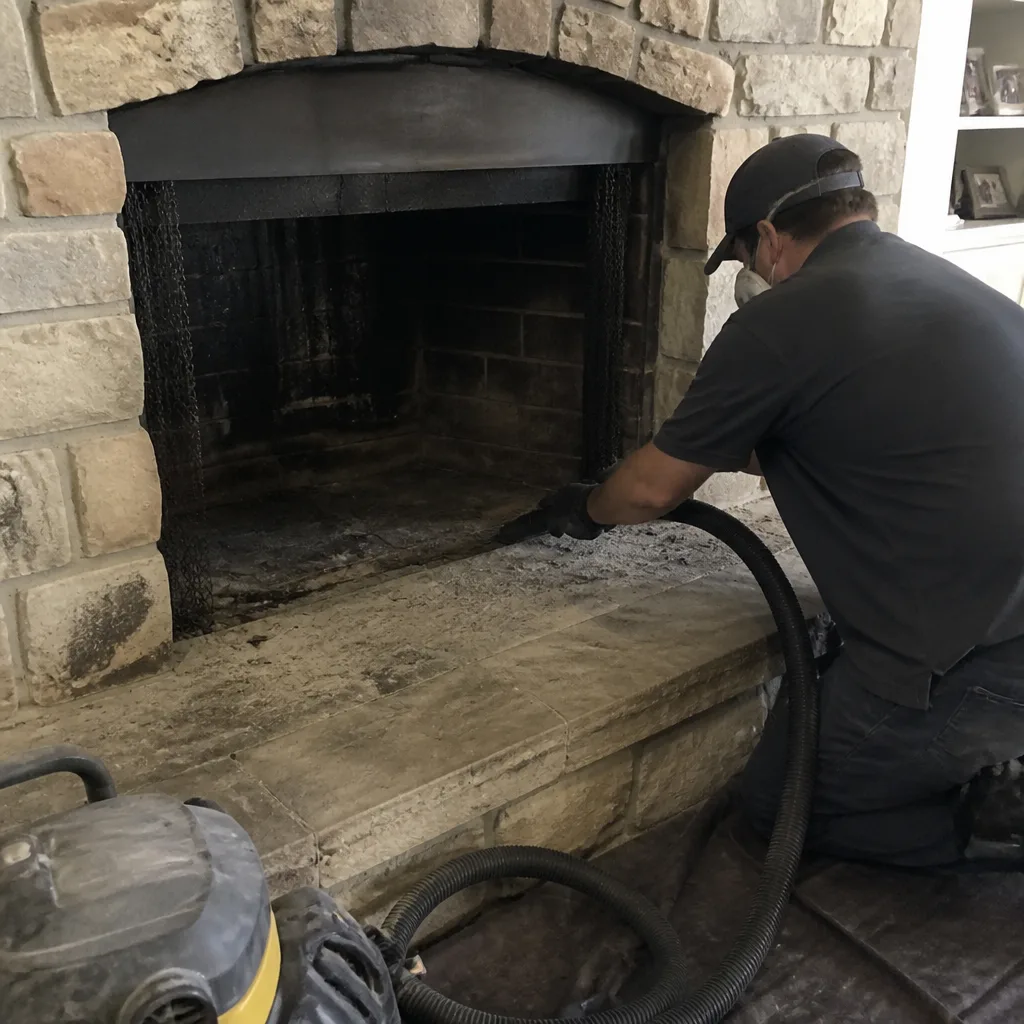 Before
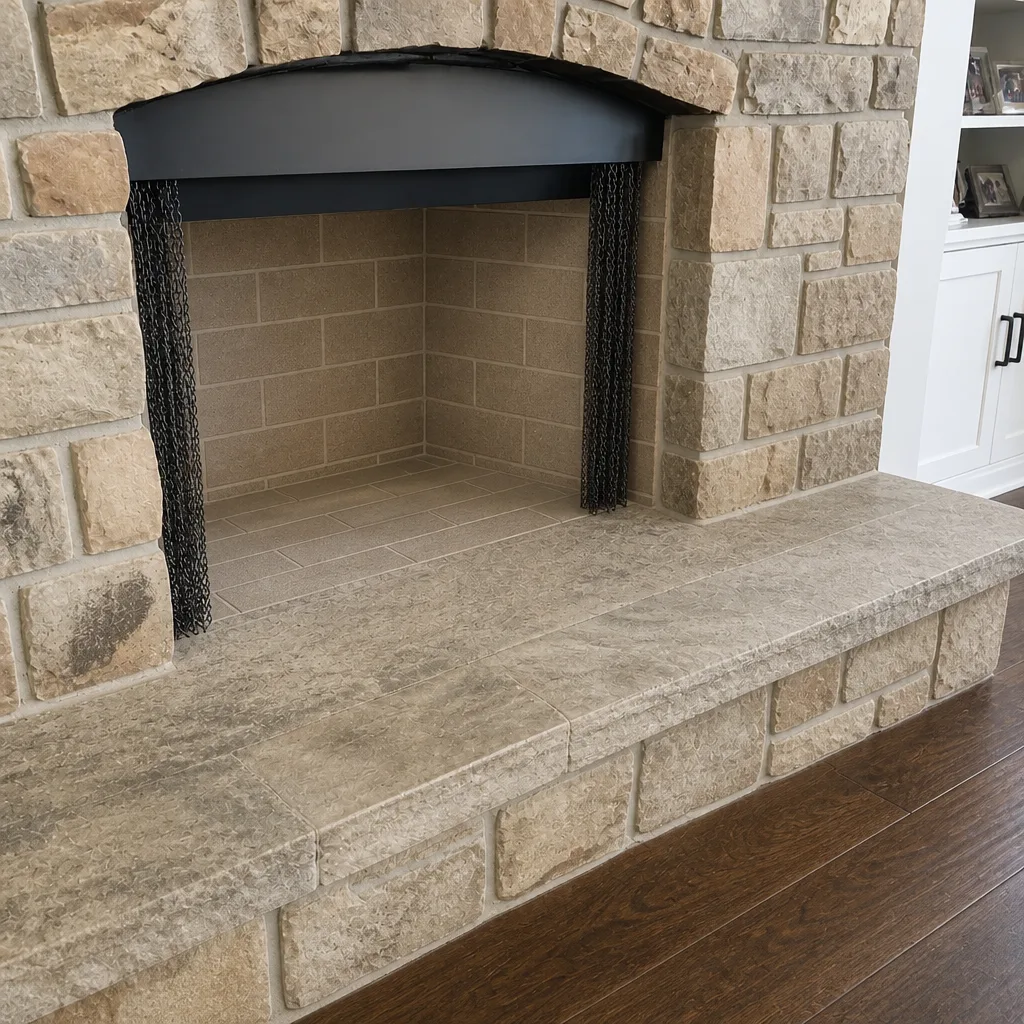 After
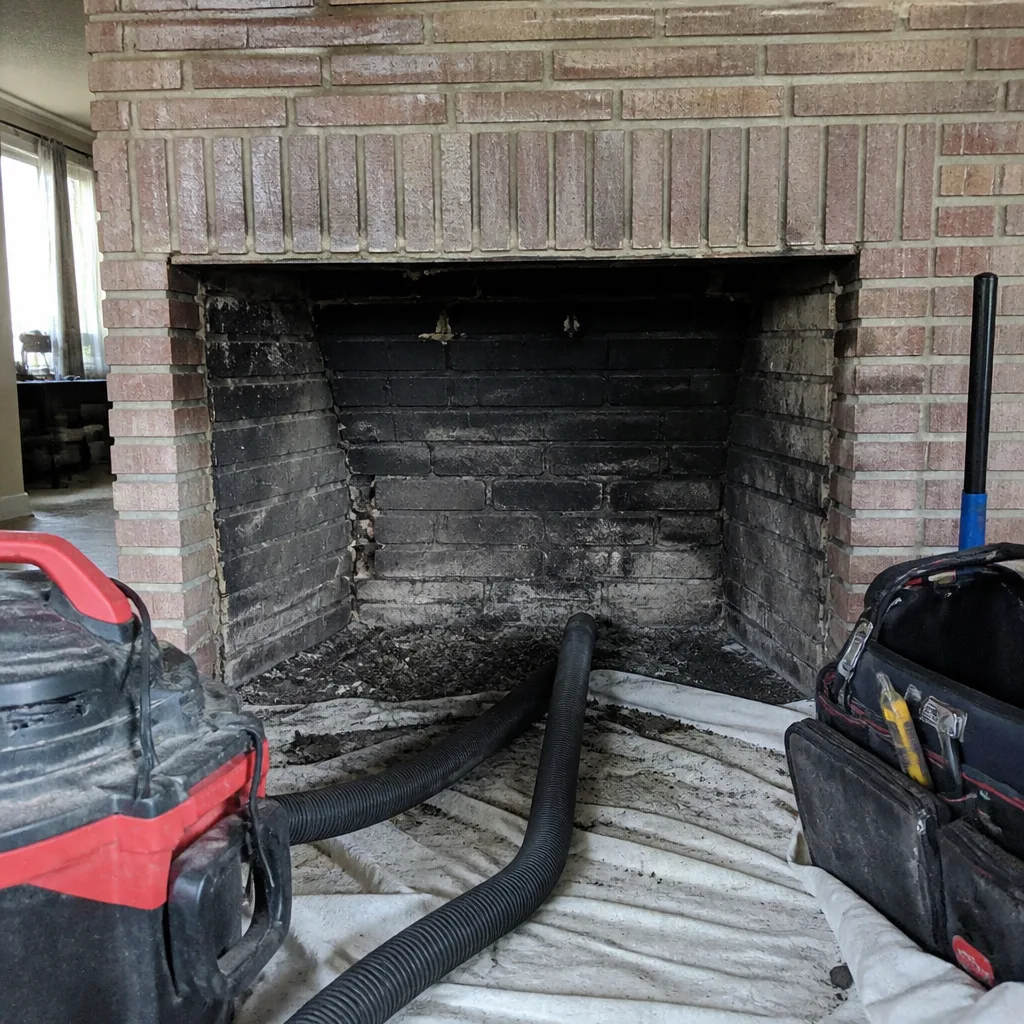 Before
 After
 Before
 After