
Last updated November 16, 2026
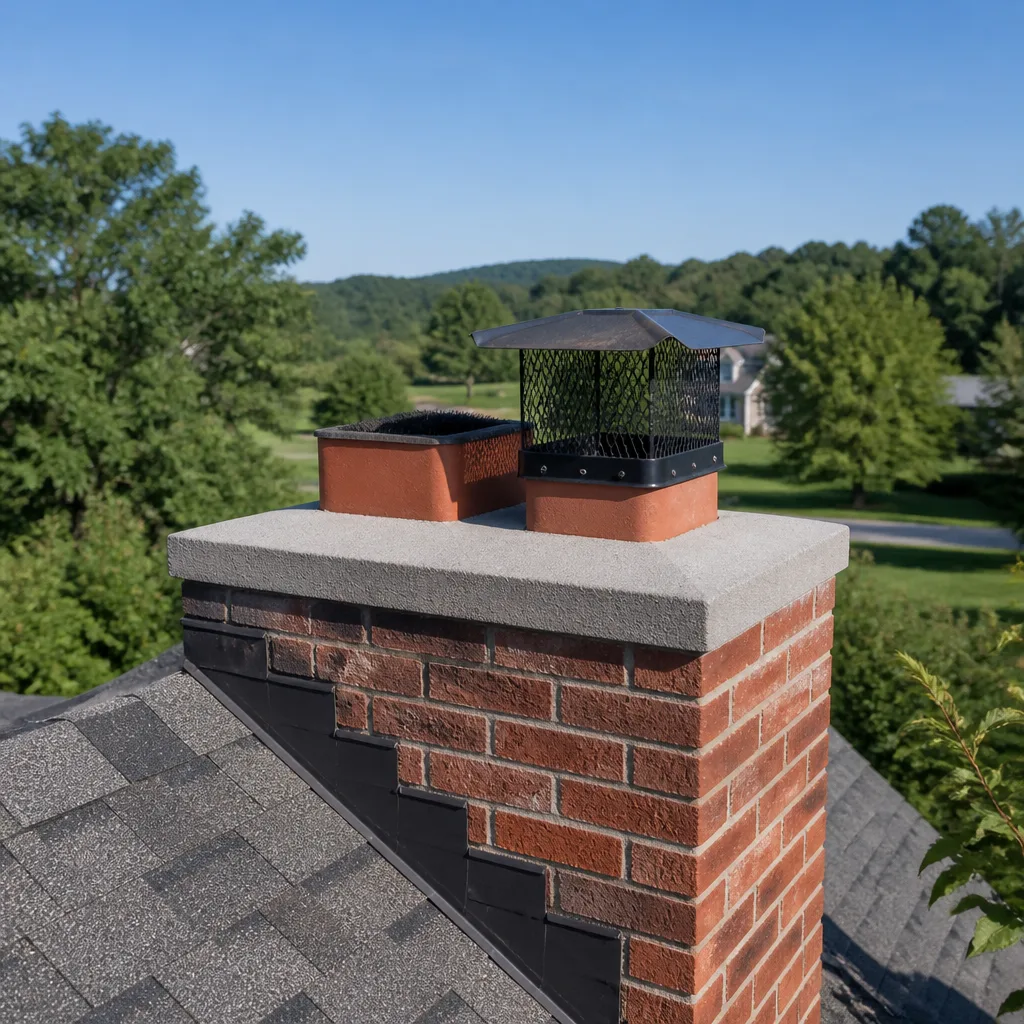 Sweep & inspection
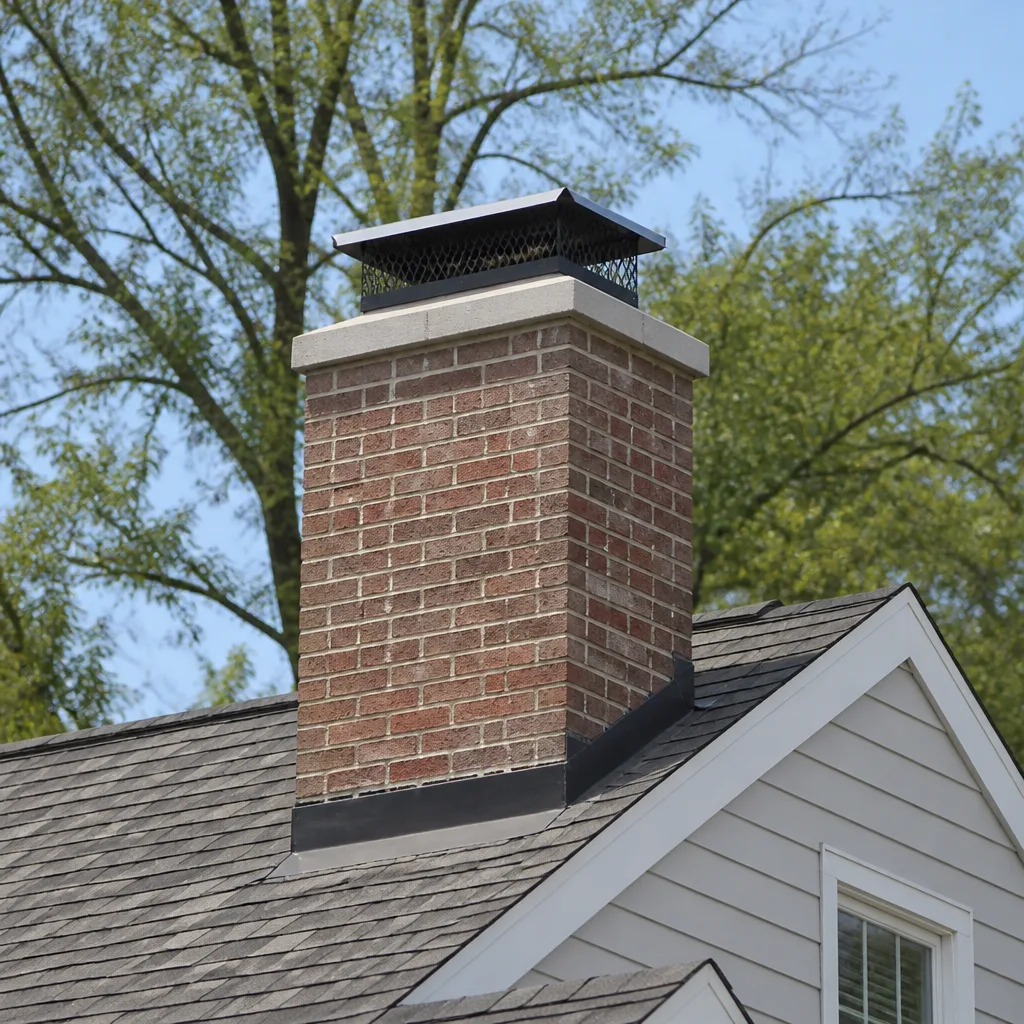 Caps & crowns
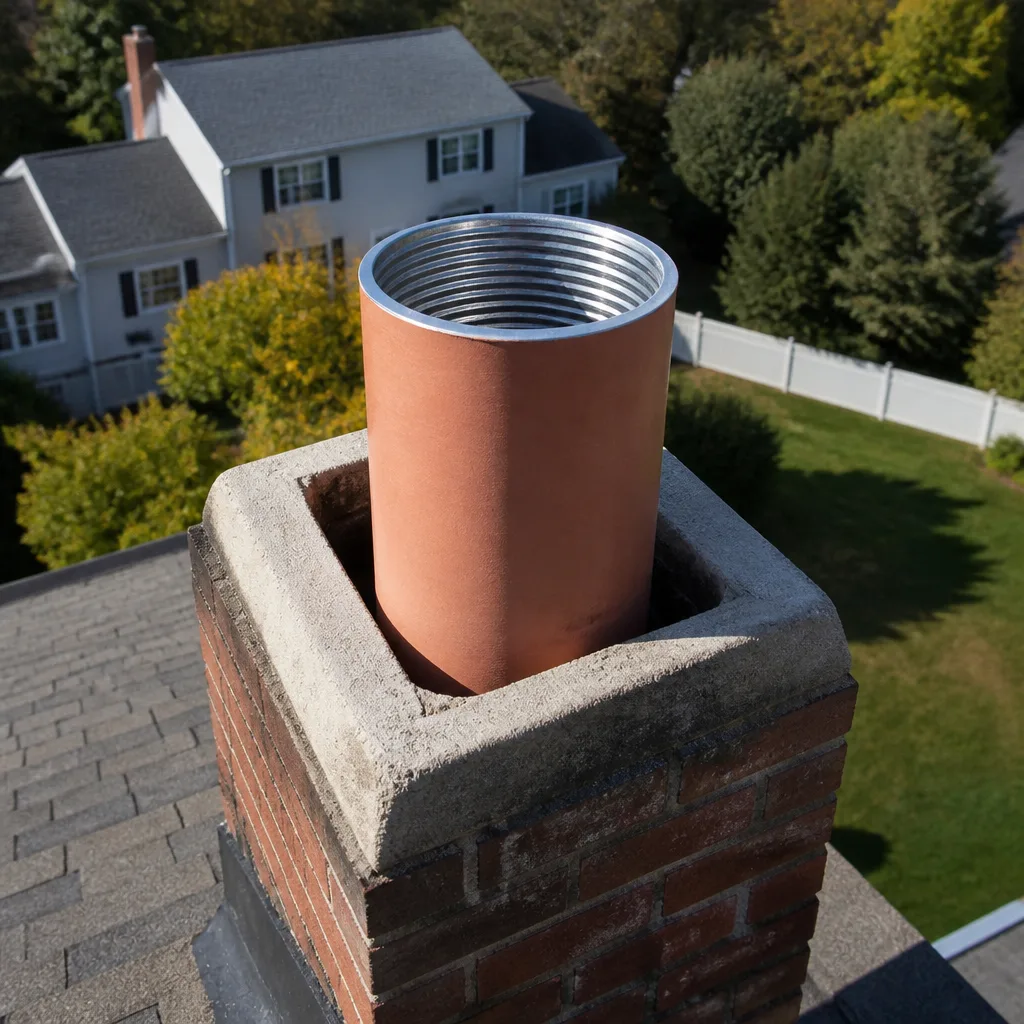 Flue relining
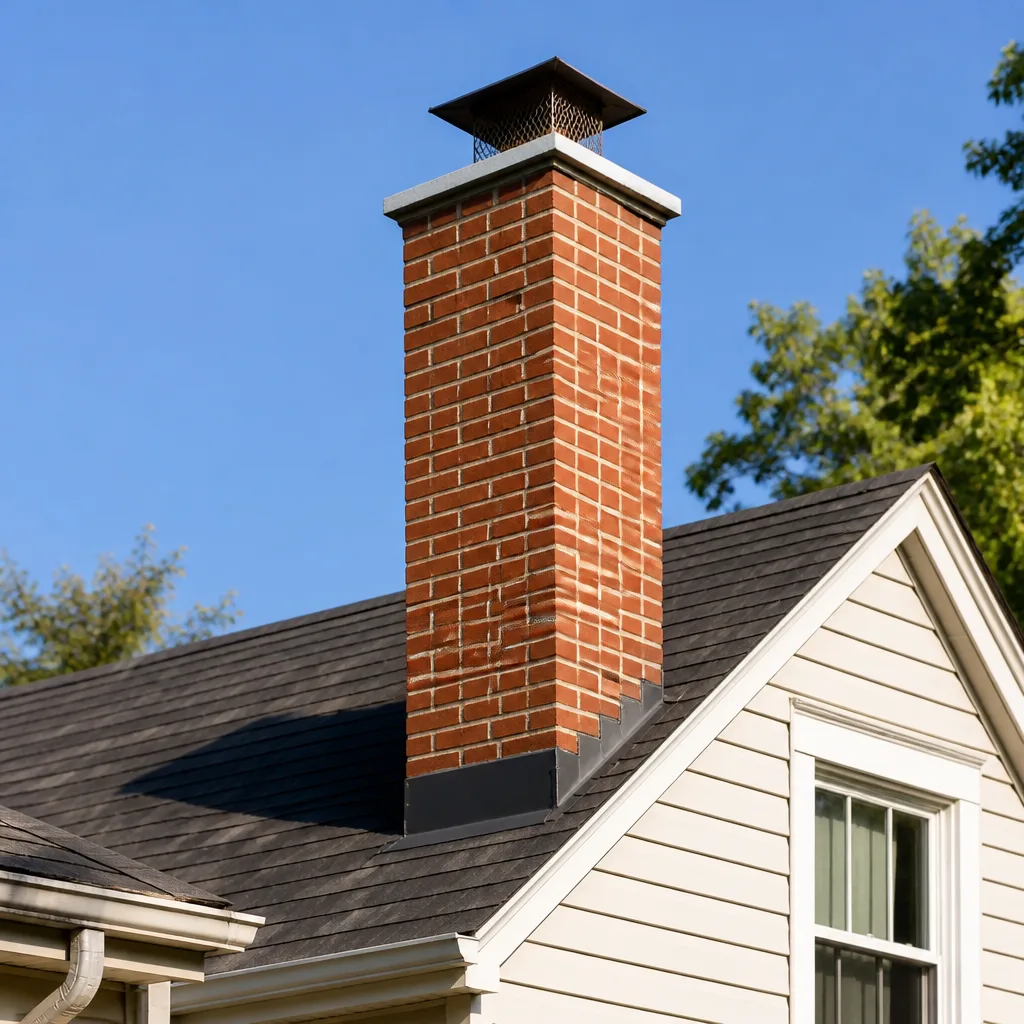 Masonry repair
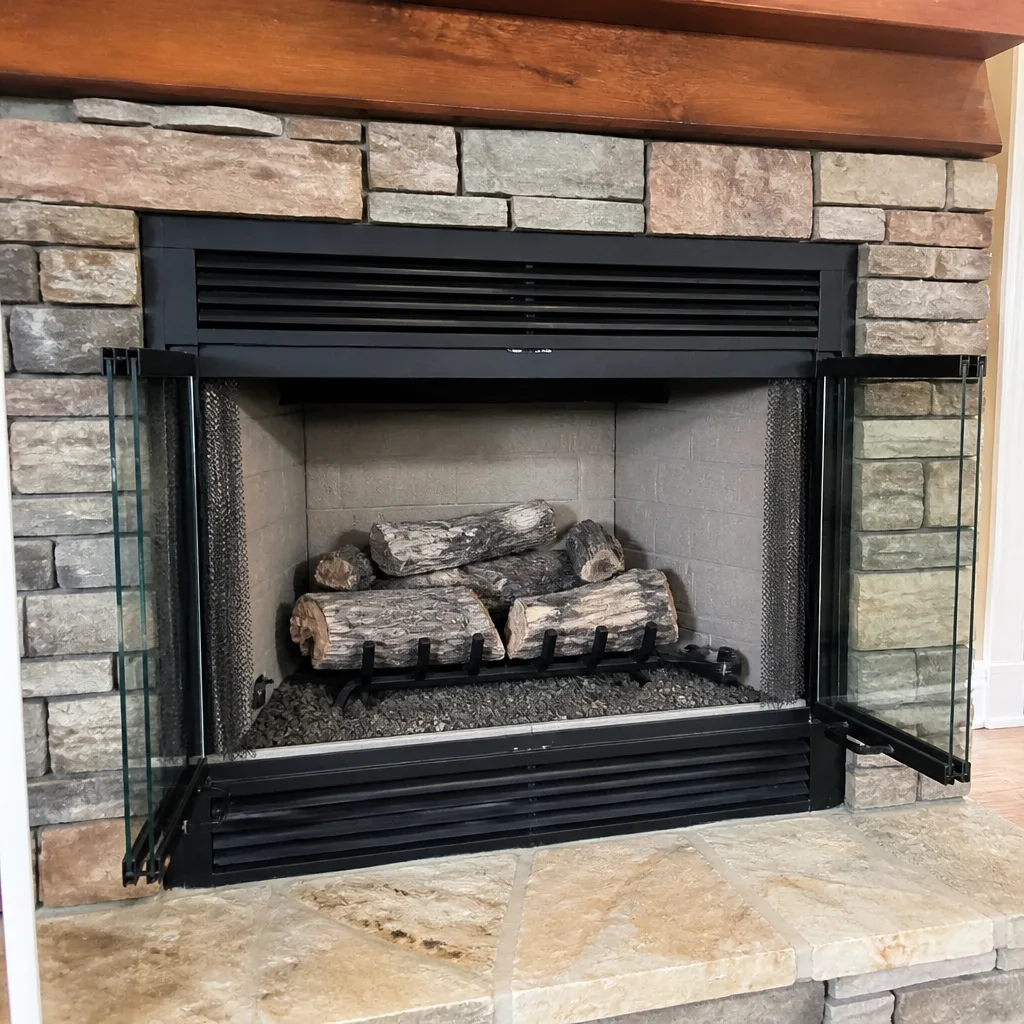 Gas fireplace service
Level 1 sweep and inspection to the NFPA 211 annual standard - flue, crown, cap, and flashing checked and photographed
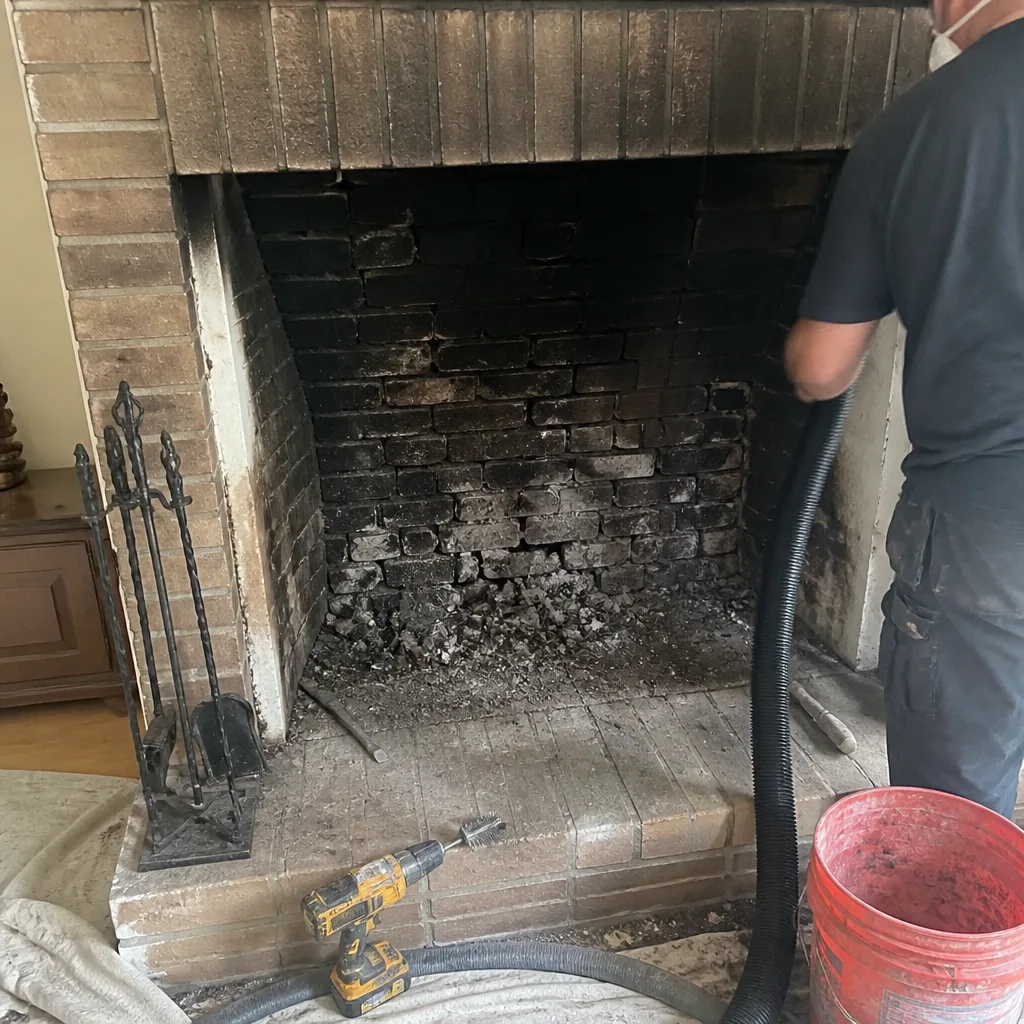
Chimney sweep logs do not sweep chimneys. They loosen some creosote - which then falls where a brush and vacuum still have to collect it.
DIY vs Professional Chimney Cleaning: The Conroe Homeowner’s Decision Guide
You can buy the same brushes a professional uses. What you can’t buy at a hardware store is the ability to recognize Stage 3 glazed creosote from a flashlight angle, or to know what a cracked clay tile feels like when a brush rod catches it. That gap between tool access and diagnostic judgment is the whole conversation. Most advice on this topic picks a side and defends it. We’d rather give you the actual criteria, because there are Conroe homeowners who can safely clean their own chimney and plenty who can’t, and the difference isn’t courage or thrift. It’s access, liner condition, and whether anyone has actually looked inside. This guide walks through all three.
Styles & brands we work with
- Sweep & inspection
- Caps & crowns
- Flue relining
- Masonry repair
- Gas fireplace service
Quick Answer
DIY chimney cleaning is reasonable only when you have a single-story roof with safe access, a cleanout you can reach easily, light and infrequent fireplace use, and a liner whose condition a professional has already verified. In every other case, and especially in Conroe’s older homes with clay tile liners, professional cleaning plus inspection is the safer and often cheaper route once you count equipment, time, and the cost of missing a defect. A professional visit also includes the assessment that DIY cleaning always skips.
Table of Contents
- When DIY Chimney Cleaning Is Genuinely Appropriate
- What Professional Equipment Costs vs. What You Can Rent or Buy
- The Inspection Step DIY Always Skips
- Conroe-Specific Complications: Roof Pitch, Clay Tiles, and Attic Access
- Straight Cost Comparison: DIY vs Professional in Conroe
- How a Professional Cleaning Actually Works
- Understanding Creosote Stages and Why They Matter
- Common Mistakes to Avoid
- When to Call a Professional
- Frequently Asked Questions
When DIY Chimney Cleaning Is Genuinely Appropriate
There’s a narrow set of conditions where cleaning your own chimney makes sense. If all of them apply to your home, DIY is a defensible choice. If any one of them fails, the equation changes.
Here are the conditions, in order of importance:
- Single-story roofline with safe, walkable access. If your roof is one story, has a low pitch, and you can get to the chimney top without ladder gymnastics, top-down brushing is physically feasible. Two-story homes with steep pitches are a different job.
- An accessible cleanout door at the base. You need to reach the bottom of the flue to remove soot and debris without tearing into walls. If the cleanout is blocked, rusted shut, or missing, stop here.
- Light, seasonal fireplace use. A fireplace used a handful of times per winter with well-seasoned hardwood produces far less creosote than a home where a fire burns most evenings. Heavy use means more frequent cleaning and more risk of hidden buildup.
- A liner condition a professional has already confirmed. This is the one most people skip. You can’t evaluate a clay tile liner from the firebox with a flashlight. If nobody has inspected the flue, you don’t actually know what you’re brushing against.
- No prior chimney fire, no visible damage, no history of smoking back into the room. Any of those signals means the flue needs assessment before cleaning, not after.
In our experience, the homes that genuinely fit all five conditions are a minority. Most Conroe homes we see are either two-story, have liners of unknown condition, or have a cleanout that hasn’t been opened in years. If you’re unsure which category you fall into, an inspection settles it quickly. You can read more about what a proper chimney sweep visit involves before deciding.
What Professional Equipment Costs vs. What You Can Rent or Buy
Home improvement stores sell chimney brushes. That doesn’t mean they sell the right ones. The performance gap between consumer-grade and professional-grade chimney equipment shows up in three places: brush stiffness and sizing, rod flexibility, and dust control.
What you’ll find at a big-box store:
- Wire and poly brushes in a few standard sizes, often too stiff for clay tile or too soft for heavy soot
- Fiberglass rods sold in short sections, sometimes with flexible connections that wobble under load
- No dust containment equipment beyond a plastic sheet and tape
What a professional setup includes:
- Correctly sized poly brushes matched to the flue’s actual dimensions (an undersized brush leaves creosote behind; an oversized one scores the tile)
- Flexible rods rated for the length and turns of the specific flue
- Industrial HEPA vacuums with chimney-specific fittings that keep soot out of the living space
- Camera equipment to inspect what the brush revealed
The cost math is unflattering to DIY. A decent brush set runs into the low hundreds. Rods add more. A HEPA vacuum suitable for chimney work is a serious purchase on its own. Rental is spotty because most equipment rental yards don’t stock chimney-specific tools. And none of that purchase gives you the years of judgment that tell you whether a brush is tracking correctly or scraping a damaged tile. When we clean a Conroe chimney, the equipment lineup includes professional-grade brands like Famco for caps and dampers and Olympia Chimney for repair components, because a flue is a system and the finish details matter as much as the brush.
The Inspection Step DIY Always Skips
Cleaning without inspection is the biggest blind spot in DIY chimney work, and it’s the part that actually carries liability. A brush removes creosote. It doesn’t tell you whether the liner has a hairline crack, whether the smoke chamber has a gap, or whether the crown is failing. Those are the conditions that let heat reach framing or combustion gases enter living space.
This is why professional chimney work separates into three steps, not one:
- Sweep. Remove soot and creosote from the flue and firebox.
- Inspect. Use a camera and a physical check to assess the liner, smoke chamber, damper, crown, and cap.
- Repair. Address what the inspection revealed, or document that it can wait.
A DIY clean does step one and stops. You don’t know what the brush passed. You don’t know if the ceramic tile is intact. You don’t know if the damper seals. The homeowner who cleans their chimney but never has it assessed has done half a job and gained none of the confidence they were after. That’s the honest reason we recommend inspection even for people who clean their own flues: the assessment is the value, and it’s the piece that’s hardest to replicate.
The flip side is also true. An inspection often finds that a chimney can safely wait another season, and we say so plainly. Nothing gets recommended without camera evidence you can see on the report yourself, which is why a professional inspection feeds directly into repair work we can execute without a handoff. That continuity is what lets a chimney repair recommendation come with photo documentation rather than a vague warning.
Conroe-Specific Complications: Roof Pitch, Clay Tiles, and Attic Access
Conroe’s housing stock and climate add specific wrinkles to the DIY question. The winters are mild, which many homeowners read as “low chimney risk.” In practice, mild winters can mean more partial burns and more creosote, because a fire that never fully heats the flue deposits more than one that burns hot and clean.
Three local factors make DIY more complicated than the general advice suggests:
- Roof pitch variability. Conroe neighborhoods range from older single-story homes with walkable roofs to newer construction with steeper pitches and complex rooflines. A pitch that feels fine on the ground can be dangerous to work from with a brush rod in your hands. Falling from a residential roof is a genuine hazard, and it’s the one most DIY guides understate.
- Prevalent clay tile liners. Many Conroe homes have clay tile flues, which require the right brush stiffness. A wire brush can score tile; the wrong rod angle can crack a flue tile at a joint. A cracked tile is a repair, not a cosmetic issue, and it’s often invisible after the brush passes.
- Attic access and cleanout layouts. Some Conroe homes route the flue through attic space in ways that make the cleanout awkward or the liner runs longer than expected. Before you plan a DIY clean, look at where the flue actually runs.
If your home sits in one of Conroe’s older neighborhoods where fireplaces were added or modified over time, the layout you can see from the firebox may not match what’s in the wall. That’s a case where inspection earns its keep before anyone climbs anything. For layout-specific guidance on homes in Conroe, an assessment is the practical starting point.
Straight Cost Comparison: DIY vs Professional in Conroe
The sticker price of a professional sweep is higher than a brush set. The total cost of a DIY clean includes items people don’t always count. Here’s the honest comparison.
| Cost category | DIY | Professional visit |
|---|---|---|
| Brushes and rods | Low hundreds to buy once | Included |
| Dust containment / HEPA vacuum | Serious purchase; rarely rented locally | Included |
| Camera inspection | Not performed | Included |
| Written report with photos | None | Included |
| Time investment | Several hours, cleanup included | One appointment |
| Risk of missed defect | High (no assessment step) | Addressed by the inspection |
| Price of the visit | Materials + your time | Set per job by written estimate |
Look at the bottom three rows. The DIY column has no inspection, no report, and no way to know if the clean was complete. If the goal is confirmation that your chimney is safe, not just brushed, the professional visit is the only column that delivers it. The written estimate sets the final price, so you’ll know what you’re paying before work begins. Our Chimney Sweep Conroe team can quote a visit and walk you through what it covers.
How a Professional Cleaning Actually Works
Knowing the sequence helps you judge any quote, and it helps you spot a cut-rate visit that skips steps. A professional cleaning follows a predictable order:
- Protect the room. Drop cloths and a HEPA vacuum connection at the firebox so soot stays contained.
- Inspect before brushing. A camera run first reveals glazed creosote, damaged tiles, or an obstruction before the brush moves. This order matters: if there’s a defect, you find it before disturbing anything.
- Brush the flue. The right poly brush matched to the flue’s dimensions, working the full length from the top down or bottom up depending on access.
- Clear the smoke chamber and damper. This is where a lot of home-brewed advice stops short. The smoke chamber above the damper collects soot and is the spot that finishes the job properly.
- Re-inspect and document. A second camera pass confirms the flue is clear and records condition.
- Deliver the assessment. Photo documentation, an honest note on what can safely wait, and repair recommendations only where the evidence supports them.
The finish components matter here too. Caps, dampers, and ventilation pieces from brands like Famco are part of what keeps a clean flue working correctly. If the cap is missing or the damper won’t seat, the cleaning is undone by the next rainy spell. The right time to address those is during the same visit, before the flue is put back into service.
Understanding Creosote Stages and Why They Matter
Creosote builds in recognizable stages, and each one changes what a DIY clean can actually accomplish. This is the fact most homeowner guides skip.
- Stage 1: soot and flaky dust. Removable with a properly sized brush. This is the stage a well-equipped DIY clean handles effectively.
- Stage 2: crusty, brittle flakes. Harder to remove. Requires the right brush stiffness and careful work. A homeowner can sometimes handle it, but it’s the stage where a wire brush does more damage than good.
- Stage 3: glazed, hard, tar-like coating. This is the dangerous stage. Glazed creosote won’t come off with a brush. It needs a chemical treatment and often a full camera inspection to assess how far the coating extends.
The problem is you can’t see Stage 2 or Stage 3 from the firebox with a flashlight. You can’t tell them apart from the top of the chimney either, unless you know what the textured surface means. Homeowners often assume their chimney is light-stage simply because a fire seems to burn fine. Glazed creosote is the fuel for chimney fires, and it looks like a dark, smooth surface from inside the flue rather than a crust. Resurfacing products like HeatShield address damaged liner surfaces after cleaning, and a heat-resistant liner system like DuraFlex handles relining where the existing flue has failed. Those are decisions made on inspection evidence, not guesswork. If you’ve had a chimney fire, even a small one, have the flue assessed before you burn again.
Common Mistakes to Avoid
- Cleaning without inspecting first. A brush moves debris; it doesn’t tell you what the liner looks like. Run a camera or have one run before the brush goes anywhere near the tile, especially in Conroe homes with clay tile flues.
- Using a wire brush on a clay tile liner. Wire brushes score the tile and can widen hairline cracks. Poly brushes are the correct tool for clay flues.
- Working from a steep or complex roof without fall protection. Conroe has plenty of homes with pitches that look manageable from the ground and aren’t. A fall off a residential roof is a more likely injury than a chimney fire.
- Skipping the smoke chamber. Many DIY guides treat the flue as the whole chimney. The smoke chamber above the damper collects soot and needs clearing as part of a real cleaning.
- Assuming a mild winter means less buildup. Partial or smoldering fires deposit more creosote than a hot fire. Conroe’s mild winters can encourage softer, smoldering fires than a colder climate would.
- Ignoring the cap and damper. A missing cap lets rain and animals into a freshly cleaned flue. Check the mechanical parts before you call the job done.
- Treating a chimney fire as no big deal. A small chimney fire can crack tile and leave glazed creosote. Any fire event calls for an inspection before the next use.
When to Call a Professional
Call a professional when any of these apply: you have a two-story home or a steep or complex roof; you don’t know your liner’s condition; your cleanout is blocked or missing; you use the fireplace heavily or burn often; you’ve had a chimney fire, smoke-back, or a persistent smell from the firebox; or you want the written inspection report you can actually verify. Those are the conditions where DIY stops making sense and assessment comes first. We can work with your circumstances, and nothing is recommended without camera evidence you get to look at. Estimates are free, and we’ll tell you plainly when work can safely wait. Call (888) 401-8620 to book an assessment.
Frequently Asked Questions
Yes, if your home meets all the DIY conditions: single-story walkable roof, accessible cleanout, light use, and a liner a professional has already inspected. If any of those fail, especially the liner inspection, a professional cleaning is the safer route. Cleaning without inspection means you don’t actually know what’s inside the flue.
A chimney sweep in Conroe is a per-job quote set by a written estimate, and the estimate is free. Because a sweep includes camera inspection and a photo report, the visit covers both cleaning and assessment. Call (888) 401-8620 for an exact quote, and you’ll know the price before work begins.
Only if the inspection shows the existing liner has failed: cracked tiles, a coating of glazed creosote that won’t come off, or a flue that no longer seals. When the evidence points to relining, we use DuraFlex liner systems, a flexible stainless solution professionals specify. When the liner can be resurfaced instead, HeatShield is the system we reach for. Either way, you see the camera evidence before the decision.
Creosote builds up with every fire, and at Stage 3 it becomes glazed and highly combustible. That’s the fuel behind chimney fires. Blockages also cause smoke to back into the room. Carbon monoxide risk rises when a flue is obstructed or a liner is compromised. If it’s been a while, book an inspection. Call (888) 401-8620 and we’ll book a visit.
Chimneys should be swept when the creosote layer reaches about an eighth of an inch, which for many homes means once per year of seasonal use. Heavy users may need it more often. A camera inspection alongside the sweep tells you exactly where your flue sits, rather than guessing.
No. A good inspection often concludes the chimney is fine and the work can wait. We say so when that’s the case. Nothing gets recommended without camera evidence you can review, and the written report names what’s urgent versus what can safely wait until next season.
The Bottom Line
DIY chimney cleaning isn’t reckless, it’s just narrow. It fits a specific set of homes: single-story, easy roof access, accessible cleanout, light use, and a liner someone qualified has already checked. Outside that set, the cost of a brush set doesn’t buy you the inspection that catches what a clean leaves behind. Conroe’s clay tile liners and varied rooflines raise the stakes further, and glazed creosote is invisible from the firebox. The professional visit is the one that cleans, inspects, and reports in the same appointment, with evidence you can see. Professional-grade materials like HeatShield, DuraFlex, Gelco, Olympia Chimney, Famco, and Copperfield are the standard we work to. Call (888) 401-8620 for a free estimate. We answer 24/7. Fast dispatch from 7am to 7pm, Sunday through Friday.
Written by the team at Chimney Sweep Conroe.
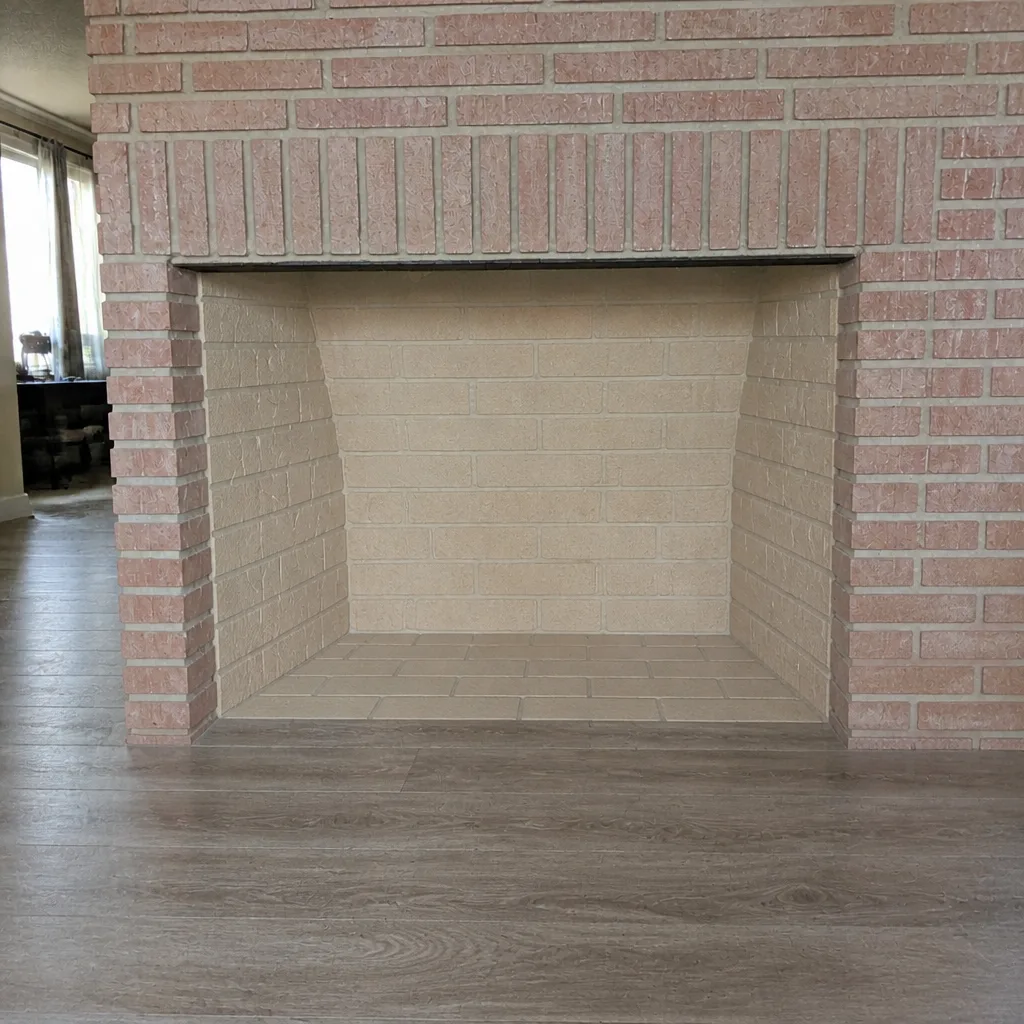
See the difference
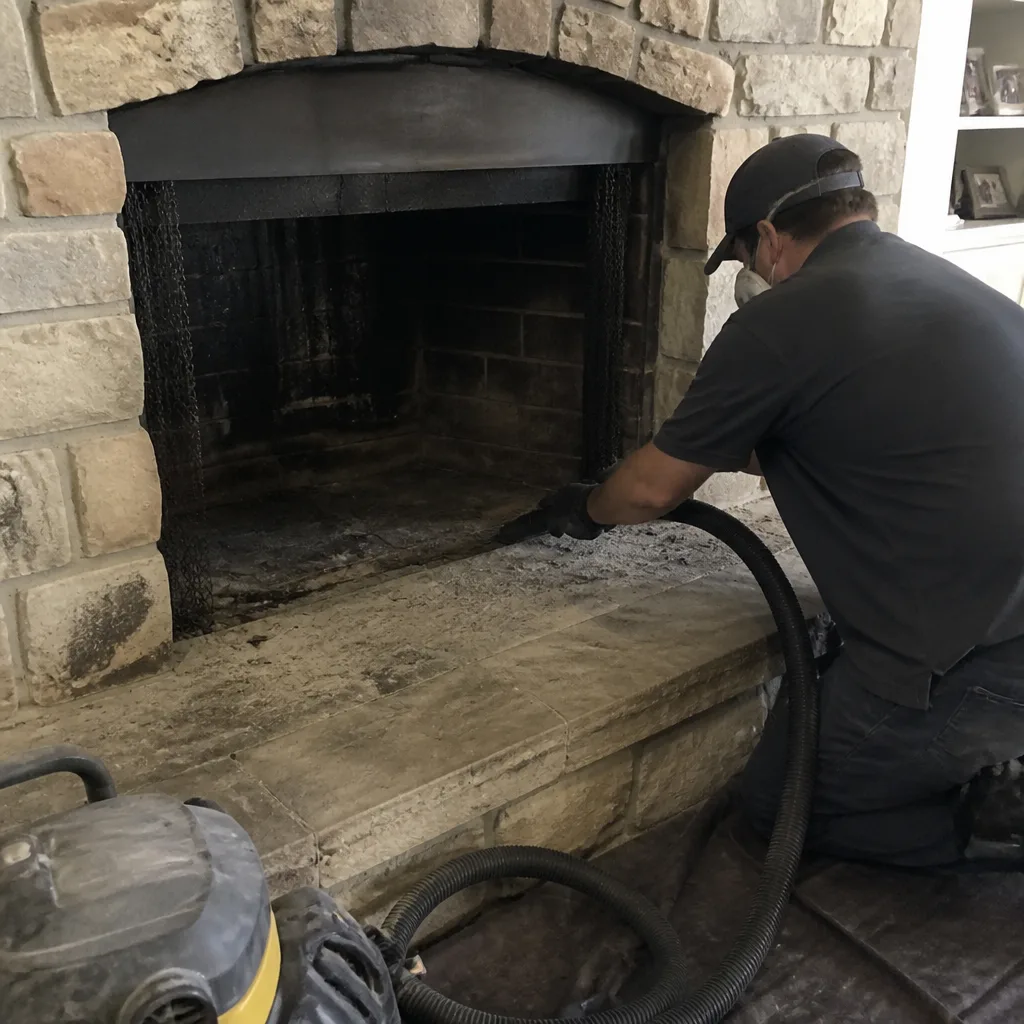 Before
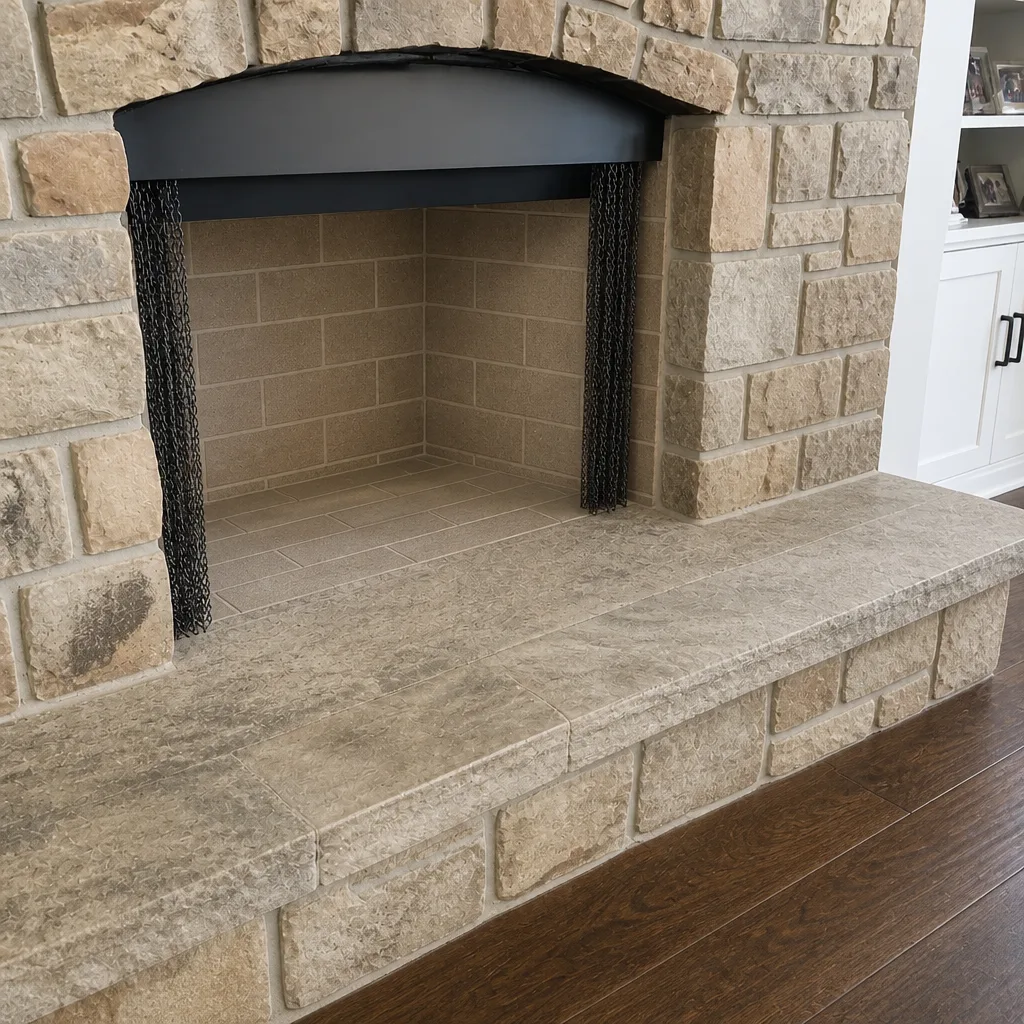 After
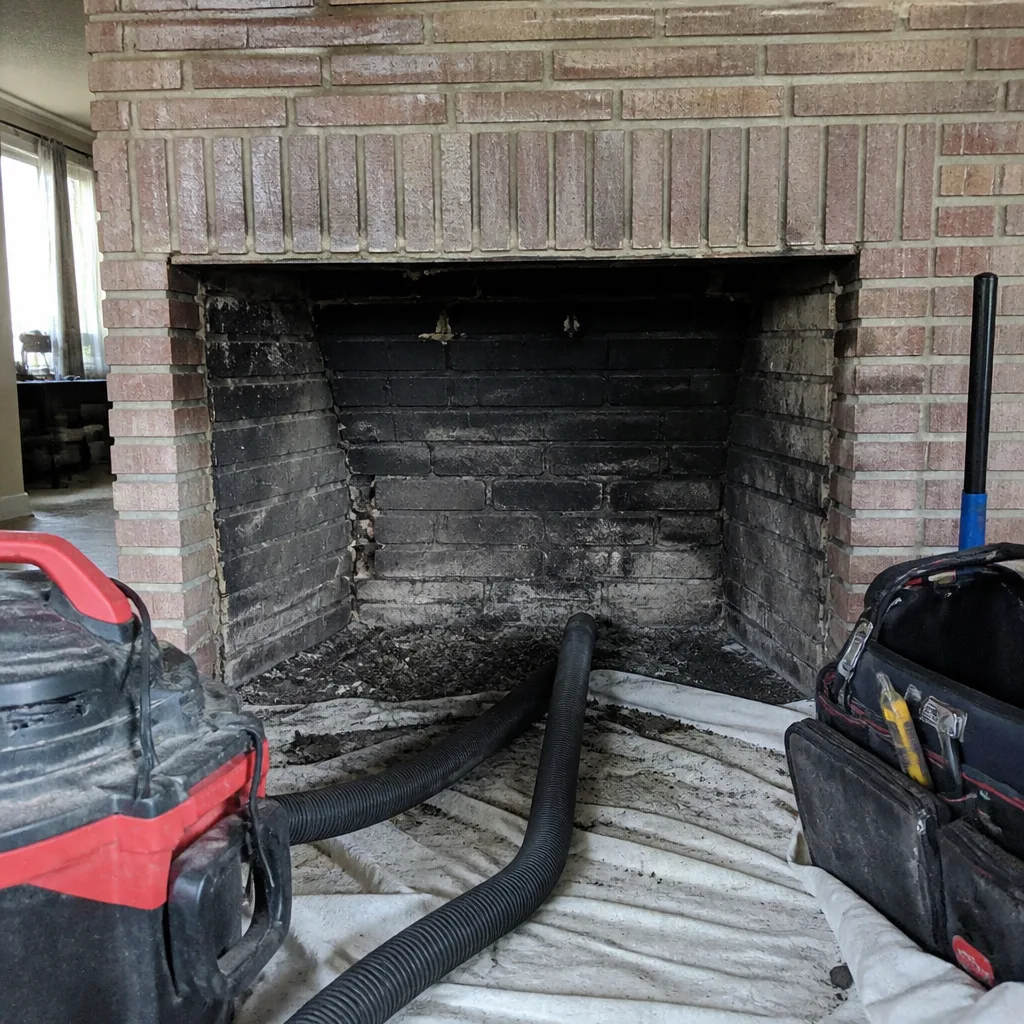 Before
 After
 Before
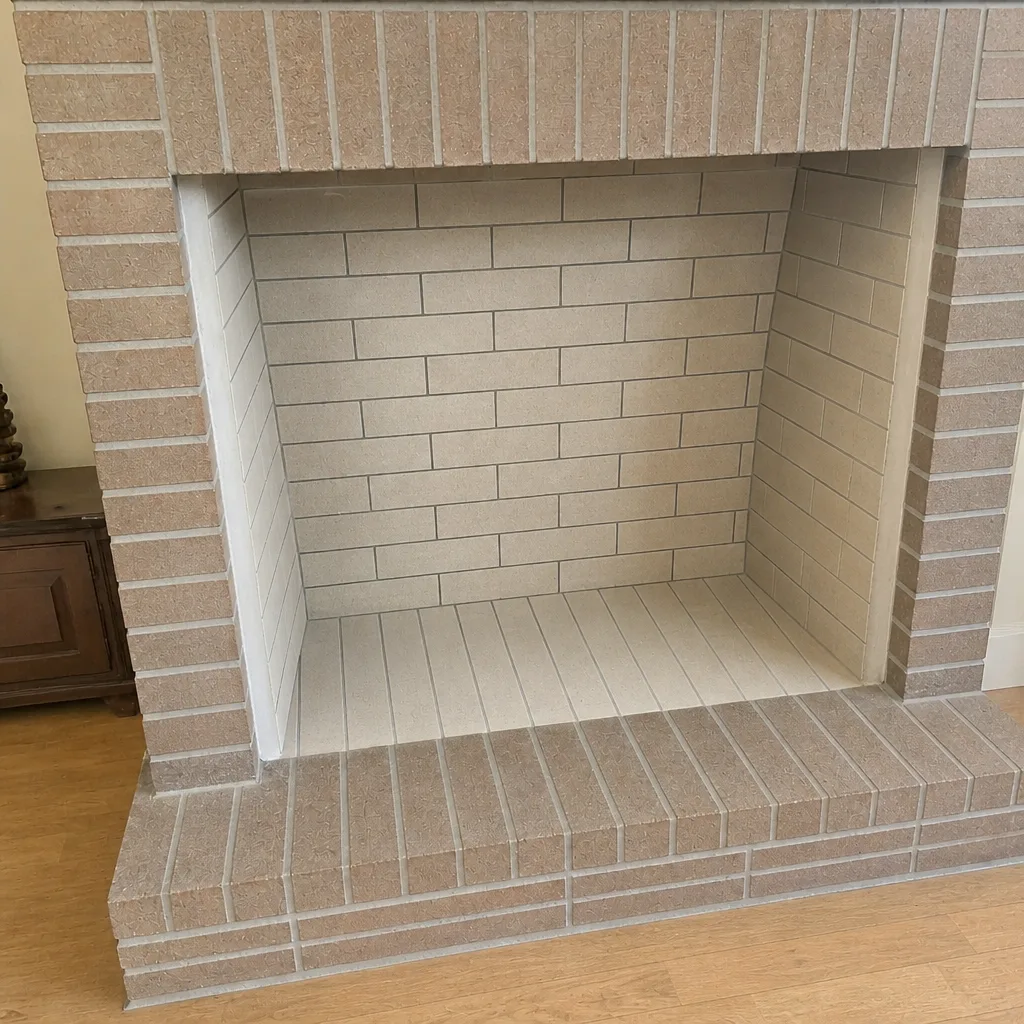 After