
Last updated November 16, 2026
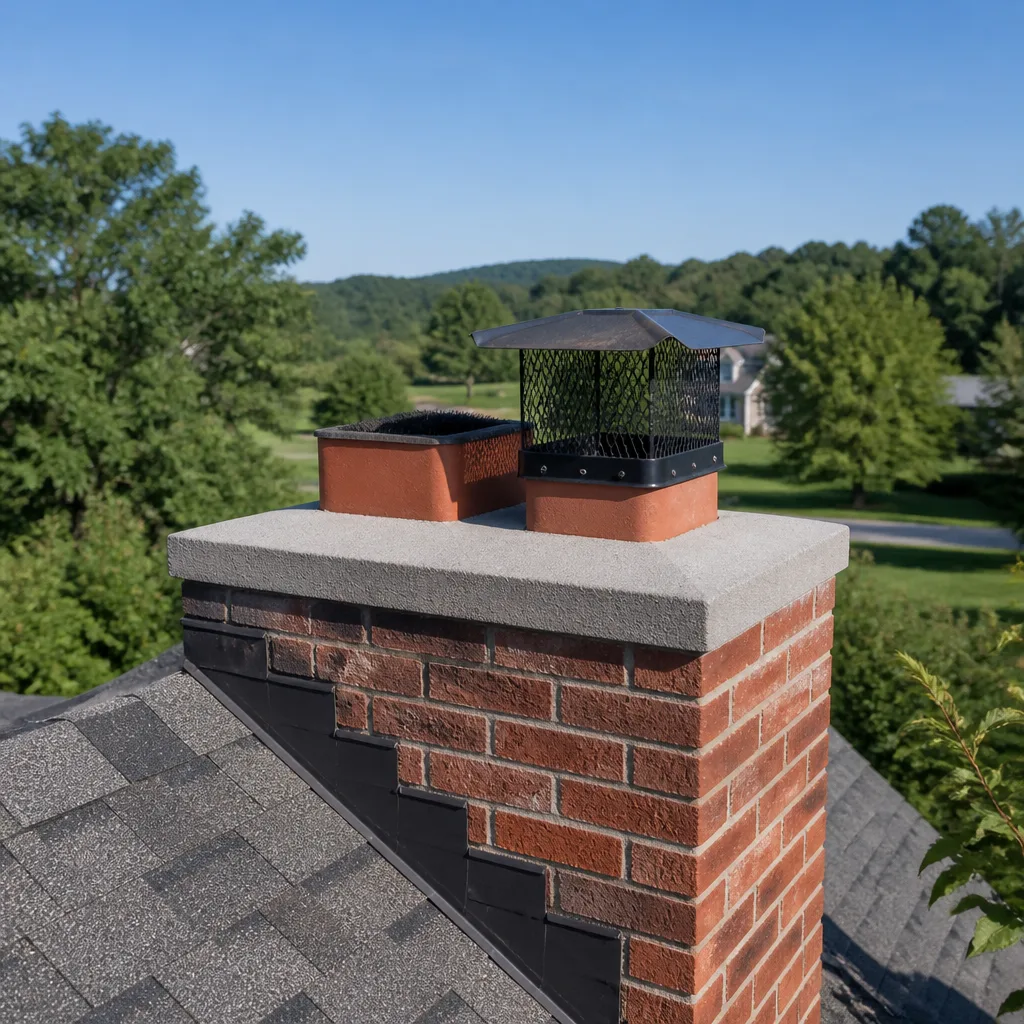 Sweep & inspection
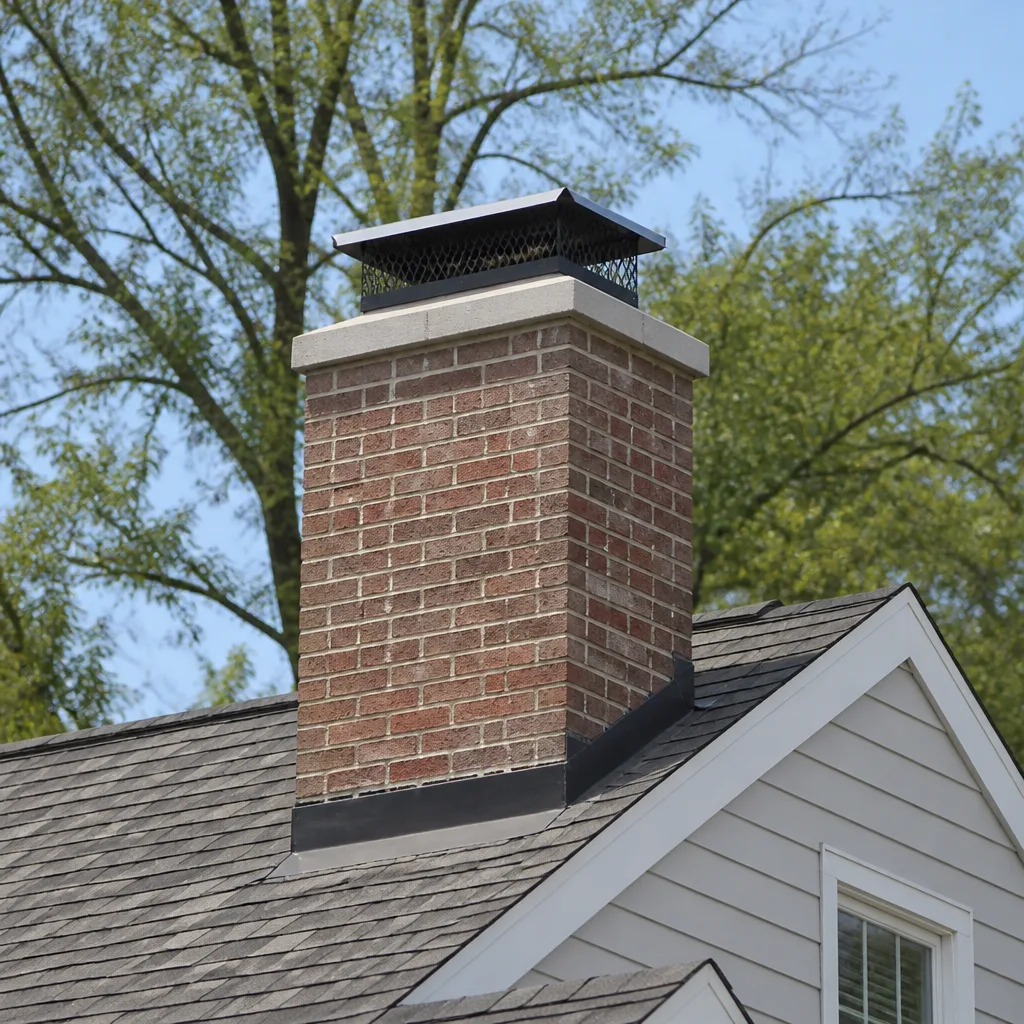 Caps & crowns
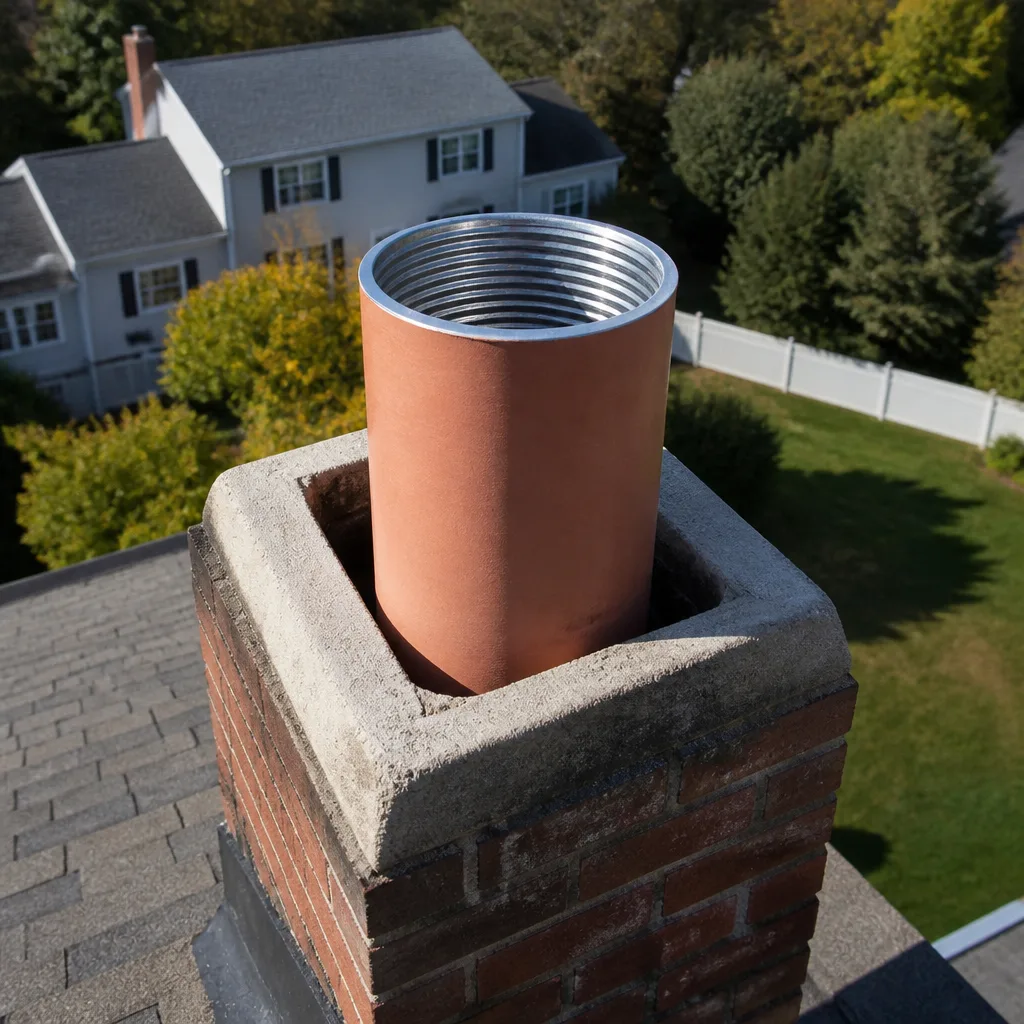 Flue relining
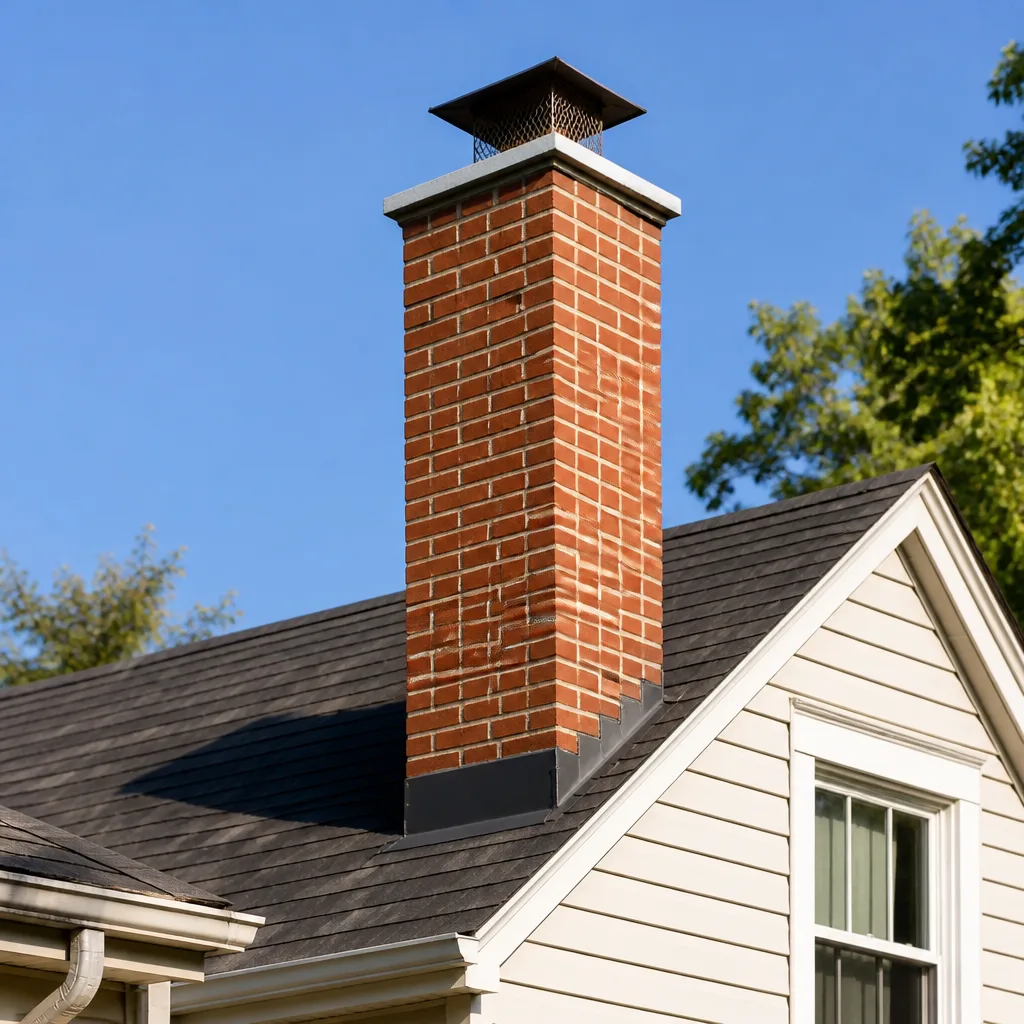 Masonry repair
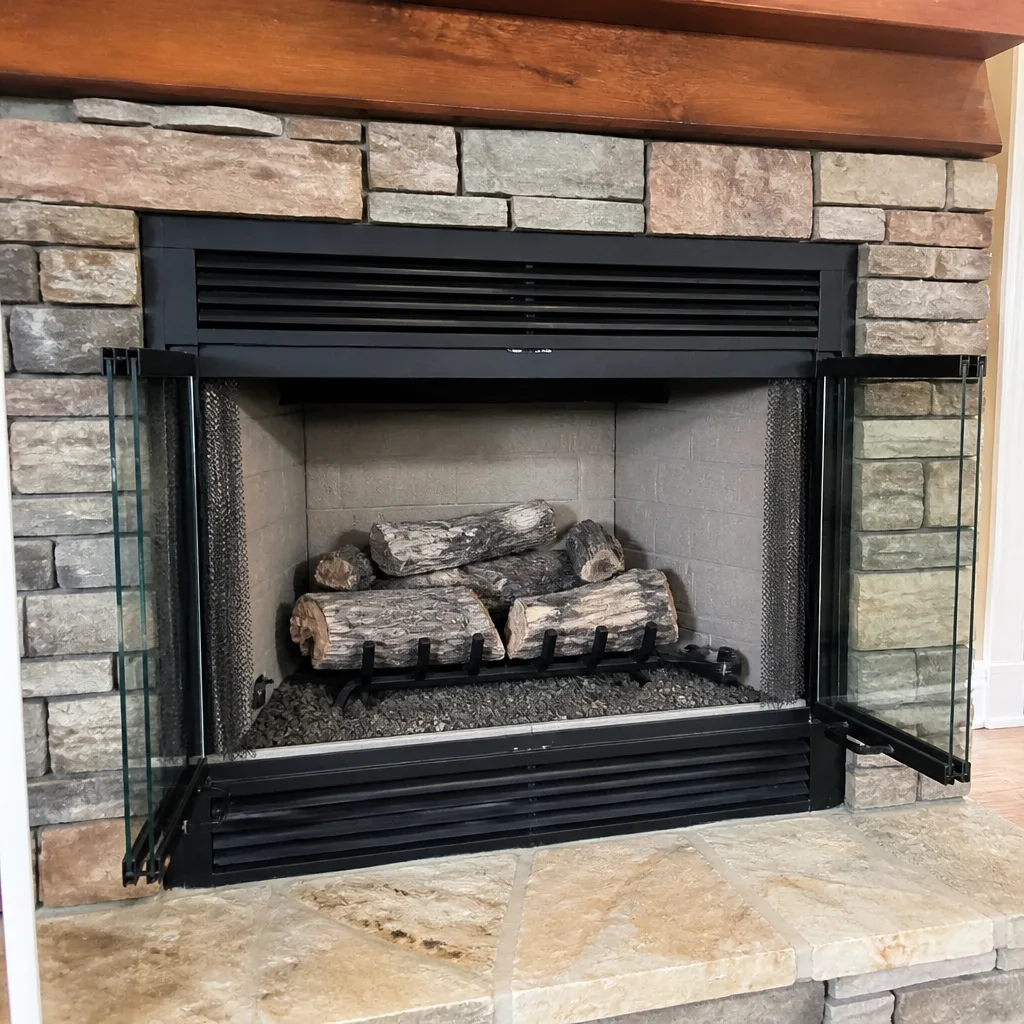 Gas fireplace service
Level 1 sweep and inspection to the NFPA 211 annual standard - flue, crown, cap, and flashing checked and photographed
Chimney sweep logs do not sweep chimneys. They loosen some creosote - which then falls where a brush and vacuum still have to collect it.
Chimney Cleaning Permits, Codes & Inspections in Conroe, TX: What You Need to Know
A chimney cleaning never needs a permit. A chimney liner replacement almost always does. The confusion between the two is where Conroe homeowners get into trouble, and it rarely shows up on the day the work is done. It shows up years later, at the closing table or in the middle of an insurance claim, when someone asks for documentation that doesn’t exist. This guide draws that line clearly: what a routine sweep involves, where cleaning stops and repair begins, how the City of Conroe and Montgomery County permitting process works, what NFPA 211 actually requires, and what a code-compliant inspection report should contain. If you own a home in Conroe with a fireplace, this is the paperwork side of chimney care most people never think about until they have to.
Quick Answer
Routine chimney cleaning in Conroe, TX does not require a permit. Chimney repair or relining work generally does require a permit through the City of Conroe or Montgomery County, depending on where the home sits, and the work must meet the clearance and liner requirements of NFPA 211. A code-compliant inspection is your proof that the chimney is safe now and your documentation if you ever sell the house or file a claim.
Styles & brands we work with
- Sweep & inspection
- Caps & crowns
- Flue relining
- Masonry repair
- Gas fireplace service
Table of Contents
- Where Cleaning Crosses the Line Into Repair
- Do You Need a Permit for Chimney Work in Conroe?
- What NFPA 211 Actually Requires
- What a Code-Compliant Inspection Report Looks Like
- How Unpermitted Chimney Work Surfaces During a Home Sale
- When to Ask for a Permit vs. When You’re Being Upsold
- Why Conroe’s Climate and Fireplace Habits Matter
- The Right Way to Sequence Sweep, Inspection and Repair
Where Cleaning Crosses the Line Into Repair
Cleaning is a maintenance act. Repair is a construction act. That single distinction drives everything else in this guide, and it’s the thing most homeowners don’t think about until someone hands them a bid.
A chimney sweep removes creosote, soot, and debris from the flue. The technician works with brushes, rods, and a vacuum system. Nothing is removed from the chimney structure, nothing is added to it, and the flue’s dimensions and materials stay the same. That’s a cleaning. No permit. No inspection by the city. Just labor and a before-and-after report.
Repair is different. The moment any of the following happens, you’ve crossed from maintenance into construction, and the rules change:
- A cracked or spalled flue liner is being relined, resurfaced, or replaced
- Damaged masonry in the firebox, smoke chamber, or crown is being rebuilt or repaired
- A chase cover, cap, damper, or top-sealing assembly is being installed or replaced
- The firebox is being re-poured or the smoke shelf is being reshaped
- Any component of the venting system is being altered, not just cleaned
Every item on that list is scope-of-work construction under local permitting, and each one is a repair. When a sweep finds a hairline crack during a cleaning and tells you it needs to be relined, the job just changed from a maintenance visit to a permitted construction project. That doesn’t mean the sweep is upselling. It means the technician found something, and what happens next depends on whether you get the right people and the right paperwork involved. We inspect it and we fix it, and that’s the point where homeowners should expect a clear conversation about permits.
Understanding that threshold gives you leverage. It means you can tell, in advance, whether you’re booking a chimney sweep or a repair job, and it means you can ask the right questions before anyone starts work.
Do You Need a Permit for Chimney Work in Conroe?
Chimney sweeping requires no permit anywhere in Conroe. Chimney repair and relining generally do require a permit through the City of Conroe’s building department for homes inside city limits, and through Montgomery County for homes in unincorporated areas. The exact requirement depends on your address, the scope of work, and whether the work touches the structure of the chimney.
The reason for the split is straightforward. A cleaning leaves the chimney physically unchanged. A repair changes the structure, and the building department wants to know that the change was done to code. Permitting is how a municipality tracks construction, and construction includes lining work.
Here’s what routinely needs a permit in Conroe:
- Full liner replacement or relining. Any change to the flue’s interior material or dimension is a structural change, and it requires a permit.
- Masonry repair above a certain scope. Rebuilding a crown, repairing a firebox, or repointing significant sections of masonry falls under structural repair.
- Chase cover or cap installation on a chimney chase. Attaching a new component to the structure often requires a permit, depending on the jurisdiction and the method of attachment.
- Firebox rebuild or smoke chamber parging. These alter the fire chamber itself and are construction.
What routinely does not need a permit:
- Routine sweeping and creosote removal
- Level 1, Level 2, or Level 3 inspections performed as evaluations
- Replacing a damper component that isn’t part of the structural chimney
- Minor cosmetic cleaning of the firebox or hearth
Because the line moves depending on where the home sits and what the scope of work is, the safest answer for any homeowner in Conroe is to ask the contractor directly: “Does this job require a permit, and who is pulling it?” A licensed contractor with a working relationship with the local building department will answer that question without flinching. If the answer is vague, be skeptical.
What NFPA 211 Actually Requires
NFPA 211 is the Standard for Chimneys, Fireplaces, Vents, and Solid Fuel-Burning Appliances. It’s the technical standard that local building codes adopt, and it’s the document a code inspector or a trained chimney professional is measuring against. It’s not the law in Conroe; the local code is. But in practice, the local code takes its numbers from NFPA 211, so the standard is what actually governs your chimney.
Here’s what NFPA 211 focuses on for the typical Conroe home:
Clearances. The standard specifies the minimum distance between the chimney and combustible materials like framing, sheathing, and insulation. This matters most in attic and roof penetrations, where a hot flue that touches wood is a fire risk long before anything visibly burns. Clearance violations are common in older homes where insulation was added later or where framing was modified during a renovation.
Liner condition. NFPA 211 requires that a chimney be lined, and that the liner be continuous, properly sized for the appliance, and free of cracks, spalling, or gaps that would allow heat or flue gases to escape. The requirement is structural integrity, not cosmetic appearance. A hairline crack that runs through the full thickness of the liner is a defect. A surface crack in the glaze is not. That distinction is why a camera inspection matters.
Draft and venting. The standard addresses the geometry of the smoke chamber, the height of the flue above the roof, and the transition between the firebox and the flue. A chimney that meets clearance and liner requirements but has a smoke chamber with a wrong angle will draft poorly, and that’s a defect NFPA 211 cares about.
Access for inspection. The standard calls for access so a chimney can be inspected. If a chimney has no cleanout and no way to see the flue from above or below, that itself is a defect worth correcting.
When a technician references NFPA 211 in your estimate, that’s a sign the work is being described against a real standard. When someone tells you a chimney “looks fine” or “isn’t up to code” without reference to a specific requirement, that’s a sign to ask more questions. We measure against the standard, name it in writing, and show you the photo evidence from the camera.
For a broader look at what safe chimney service looks like on the repair side, our chimney repair service page lays out the common failure points and how each one is resolved.
What a Code-Compliant Inspection Report Looks Like
A code-compliant inspection report is a written document with photos that shows what the technician saw, what standard was applied, and what the condition means. It’s the difference between a verbal “your chimney looks good” and a document a real estate agent, an insurer, or a future buyer can read and verify.
Chimney inspections come in three levels, and which one you need depends on what’s happening with the home:
- Level 1 inspection. A visual inspection of accessible portions of the chimney with the appliance connected. This is the standard inspection when a home is continuing to use the same appliance the same way. It’s what you get with an annual or seasonal cleaning.
- Level 2 inspection. Everything in a Level 1 plus a video camera scan of the flue, and inspection of accessible areas around the chimney including attics, crawlspaces, and accessible portions of the appliance connection. A Level 2 is required when a home is being sold, when an appliance is being changed, when the chimney has experienced a fire or seismic event, or when the home has changed occupancy. In practice, this is the inspection most Conroe buyers and sellers deal with.
- Level 3 inspection. A Level 2 plus removal of materials to access concealed portions of the chimney where a hazard is suspected. This is rare and only done when there’s a reason to believe something is wrong with the concealed structure.
A usable report from any level contains several things. A photo of the crown, the flue opening, and the firebox interior. A camera scan with screenshots of any defects found. A written description of each defect in plain language. A reference to the standard that makes the defect a defect, usually NFPA 211. A clear recommendation with a distinction between what needs to be addressed soon and what can wait. And it should be signed and dated by the technician and the company.
If a report is only a quote, it’s not a report. If it’s a camera scan without photos, that’s the beginning of a report, not the whole thing. Insist on photos you can see for yourself. Your insurance company will ask for them, and your buyer’s inspector will ask for them.
How Unpermitted Chimney Work Surfaces During a Home Sale
Unpermitted chimney work almost never surfaces when the work is done. It surfaces when the house changes hands. A buyer’s home inspector runs a camera, finds a liner that doesn’t match the original materials, and the seller gets a phone call about permits they don’t have.
The sequence in a typical Conroe transaction looks like this:
- The buyer’s home inspection flags the chimney, often with a comment that a Level 2 chimney inspection by a qualified professional is recommended.
- The buyer orders a Level 2 inspection, which reveals a relined flue with no permit on record.
- The buyer’s agent asks the seller for documentation of the liner work. The seller has an invoice but no permit.
- The title company or lender asks whether unpermitted work exists. That triggers a disclosure obligation.
- The buyer either demands remediation or a price reduction, or walks away.
Remediation cost varies with the scope, but the range is real. A homeowner might be asked to pay for a retroactive permit and a Level 3 inspection to open and verify the work. Depending on what the inspection finds, a partial reline or comprehensive correction may be required. And occasionally, the work is fine but the paperwork isn’t, which produces the worst outcome of all: real money spent to prove that work already done was done correctly.
The way to prevent this is simple. Every permitted repair job should produce a permit number, a final inspection record from the city or county, and a written report from the contractor showing what was installed and what standard it met. That paperwork travels with the house. Keep the permit documents in the same folder as your insurance policy and your appliance manuals.
When we look at a home in Conroe where the work is unpermitted, our job is to inspect it honestly. We tell homeowners when the work is demonstrably sound and simply needs documentation, and we tell them when it needs to be redone. Either way, the conversation starts with what’s actually inside the flue, viewed on camera, not with a guess.
When to Ask for a Permit vs. When You’re Being Upsold
Asking for a permit is not the same as accepting every recommendation. Homeowners sometimes get one or the other, and both mistakes cost money. Here’s how to tell them apart.
Ask for the permit when:
- The job involves relining or liner replacement
- Masonry above the firebox needs repair, or a crown is being rebuilt
- A chase cover or structural cap is being installed
- The firebox or smoke chamber is being altered
- The work involves anything your contractor describes as “structural” or “replacement”
For each of these, the correct response is: “Does this job need a permit, and can I see the permit number before work begins?” A licensed contractor working at this scope has no problem answering yes. The permit process protects you as much as it protects anyone.
Be skeptical when:
- The contractor says a permit is needed for a routine cleaning
- The contractor says a permit is required but won’t be pulled (“we don’t need one for this”)
- The contractor says work “won’t pass inspection anyway” as a reason to skip the permit
- The contractor describes a repair as “emergency work” to justify skipping the permit process
- The scope starts expanding the moment the crew is on site, before any photos have been shown
The pattern to watch for is a contractor who both needs to avoid permits and needs the job to be bigger than it is. Those two needs push in opposite directions from the homeowner’s interest.
There’s a middle ground that deserves mention. Concrete liner cracks, minor crown spalling, and grout loss on the mortar joints are real defects, and NFPA 211 cares about them. Some of them are worth addressing now because delaying makes them more expensive. Others are cosmetic and can wait. A professional tells you the difference in writing, with photos, and lets you decide the timing. We do this in Conroe on every repair job we scope. We tell you what needs to be done now, what needs watching, and what can safely wait until next season, and we put all three categories in the estimate.
Why Conroe’s Climate and Fireplace Habits Matter
Conroe’s winters are mild. That’s a fact that actually affects how chimneys age here, and it cuts both ways.
Mild winters mean the fireplace doesn’t run all day, every day from November through February the way it does in colder parts of the country. That’s easier on the flue from a heat-exposure standpoint. But it also produces a pattern of use that surprises homeowners: shorter fires, run intermittently, often on damp cool evenings. Short, cool fires burn less efficiently and deposit more creosote than long, hot fires. A homeowner who builds a small fire once a week during a Conroe winter can accumulate creosote faster than someone who runs a fire every night in a colder climate, because the flue never fully warms and the smoke condenses against a cool surface.
Conroe’s housing stock adds a wrinkle. The area has a large number of homes built across several decades, and prefabricated metal fireplaces from different eras use different venting systems with different failure patterns. A chase cover on a manufactured fireplace system takes weather directly, and in Conroe the combination of summer heat and the occasional heavy rain event does more damage to a chase cover or a top-sealing damper than you might expect from a mild climate. That’s why caps, dampers, and crowns get looked at on every inspection here, not just the flue.
Knowing Conroe also means knowing how people actually use their fireplaces. Many homes use the fireplace seasonally and let it sit for months. That idle period is when birds nest in the flue, debris collects on the smoke shelf, and dampers corrode. A chimney that passed inspection in March can present a real problem by November if it wasn’t capped properly over the summer. On the manufactured fireplace side, the chase cover is usually the first component to fail, and on the masonry side, it’s the crown. Both are things we look at during every Conroe inspection.
This is also why our material choices matter here. We work with Famco and Copperfield caps and dampers because those are the finish details that hold up in Conroe’s heat and rain. We use HeatShield for resurfacing work because it addresses the liner condition NFPA 211 is asking about, not just cosmetic cracking. And for relining, we use DuraFlex systems because flexible stainless is the right answer for most Conroe homes where the flue has an offset or a transition that rigid lining can’t handle. Those are products professionals specify by name rather than substituting the cheapest available option.
The Right Way to Sequence Sweep, Inspection and Repair
The order in which you schedule sweep, inspection, and repair matters more than most homeowners realize. Do it wrong and you pay twice. Do it right and everything lines up on one visit.
- Book the sweep and inspection together. A cleaning without an inspection gives you a clean chimney but no record of its condition. When you book them together, the technician cleans, then immediately inspects, then writes a report based on what was found. That’s the cleanest sequence, and it means the report captures the post-cleaning state.
- Request the Level 2 inspection if you’re buying, selling, or have changed appliances. A Level 1 is adequate for continuing use of the same system. A Level 2 is what you want when the home is changing hands or you need documentation for insurance. Tell the scheduler this when you book.
- Get the written report before any repair conversation starts. The report is the basis for the recommendation, not the other way around. If someone starts recommending liner work before showing you camera photos, ask them to stop and produce the report first.
- Confirm scope and permit for any repair. When a repair is needed, ask for the permit number in the estimate. That single question filters out a lot of problems before work starts.
- Schedule the repair as a permit-bearing job, not an add-on. Repair work should be booked separately from the sweep, with its own written scope, its own permit, and its own final inspection record. Bundling repair into a cleaning visit to skip the permit is the mistake that bites later.
- Get a final inspection record when the repair is done. The city or county inspector’s sign-off is proof that the work meets code, and it belongs in your home records permanently.
For homeowners who have a chimney problem and don’t yet know its scope, our guide on Chimney Sweep Conroe walks through the first-visit process. For anyone ready to move directly to booking, start with an inspection and let the findings drive the sequencing.
Common Mistakes to Avoid
- Assuming a cleaning covers the repair. Sweeping doesn’t reline a chimney and doesn’t catch every defect. Schedule the cleaning and inspection together, not one after the other.
- Accepting a repair quote without a camera report. A cavity you can’t see is a cavity you can’t verify. Insist on photo evidence before agreeing to any liner work, and treat a vague description as a reason to ask more questions.
- Letting a contractor skip the permit on a “small” reline. There is no small reline. Liner work is a structural change and, in Conroe, it requires a permit. Skipping it is a decision that follows the house to closing.
- Pulling a permit yourself to save money. A homeowner can sometimes pull a permit, but doing so means accepting the responsibility for the work being code-compliant. On chimney structural work, that’s a responsibility you don’t want.
- Trusting a verbal “all good” from a home inspector. Home inspectors aren’t chimney professionals. A comment like “chimney appears satisfactory” is not an inspection. Ask for a Level 2 with a written report.
- Skipping the cap and damper because the flue looks clean. A clean flue is step one. A missing cap allows nest material and water in, and a failed damper changes how the fire burns. Those matter in Conroe’s seasonal use pattern.
- Waiting until the sale is pending to sort out documentation. An unpermitted reline found during a buyer’s inspection is the most expensive possible moment to fix a paperwork problem. Do it a year before you list, and the timeline stays in your control.
See the difference
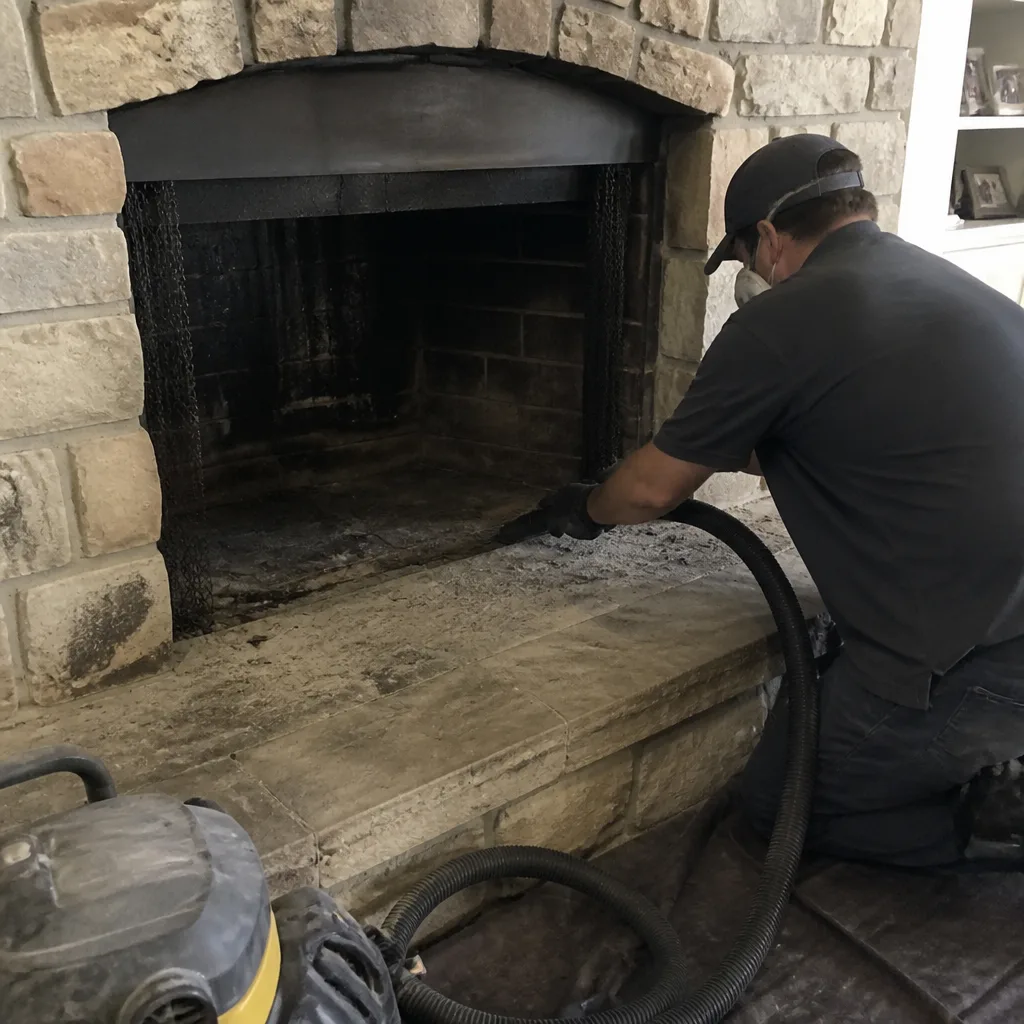 Before
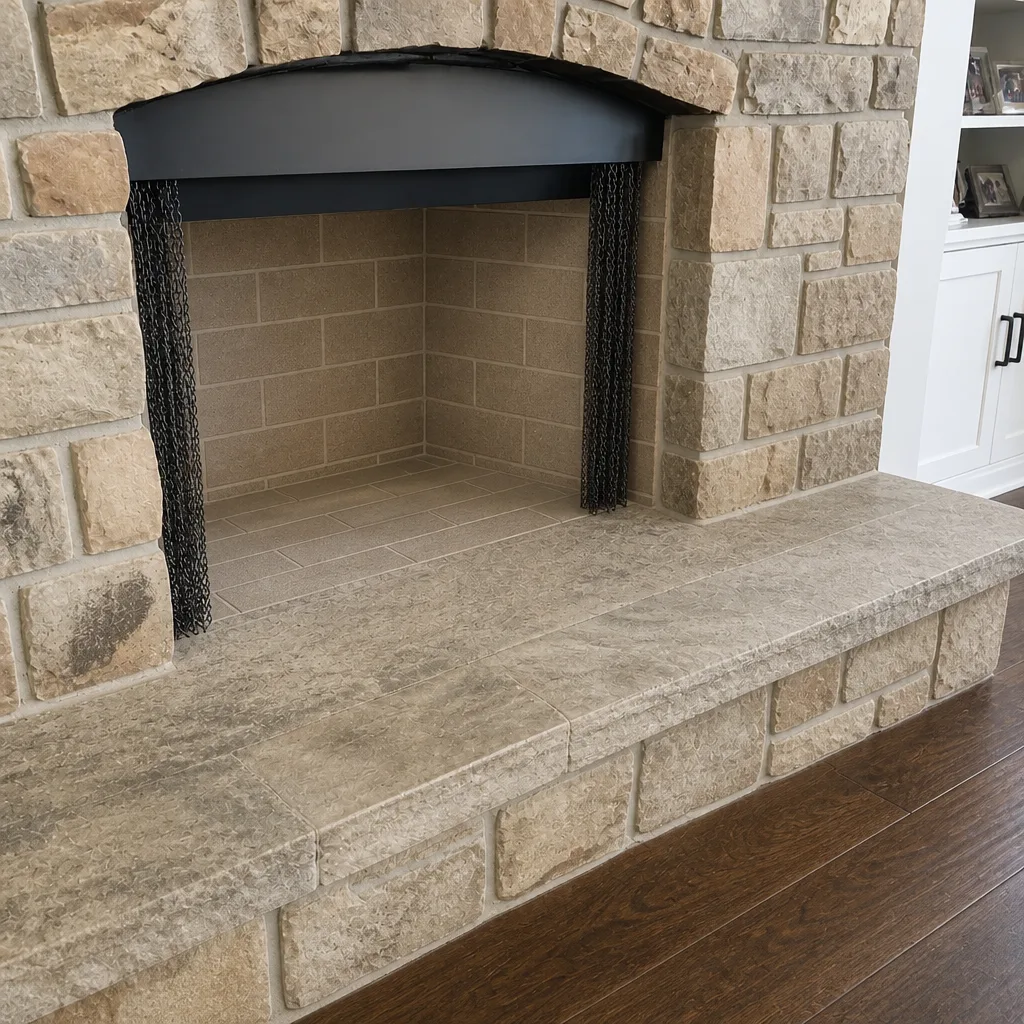 After
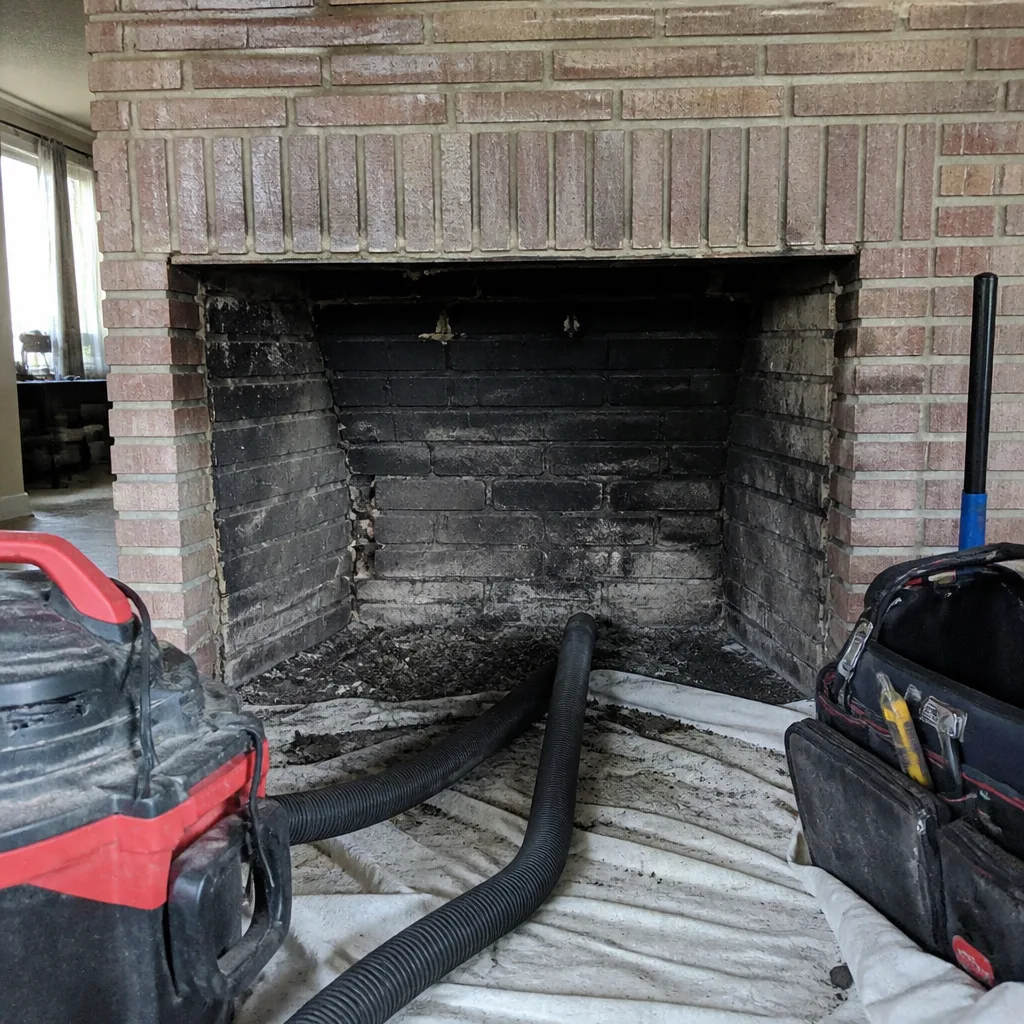 Before
 After
 Before
 After
When to Call a Professional
Some situations call for a sweep, some call for a repair, and some call for a documented inspection. If any of the following apply, it’s time to get a professional on site:
- You just bought a home in Conroe with a fireplace and no chimney documentation in the records
- You’re preparing to sell and want the chimney inspection done before listing
- You’ve had a chimney fire or smoke backup and haven’t had the flue inspected since
- The fireplace hasn’t been used in several seasons and the last cleaning is undocumented
- You’re seeing smoke roll into the room during burns, or the fire is burning poorly
- You’re planning a heavy seasonal use period and want the flue verified first
- An insurance company has asked for inspection documentation
Our technicians have up to 13 years of experience with the range of chimney systems found across Conroe homes, and every job we do includes a camera scan and a written report. We work with DuraFlex liners, HeatShield resurfacing, Gelco and Olympia Chimney repair parts, and Famco and Copperfield caps and dampers, so inspection findings translate directly into repair work without a handoff. Chimney Sweep Conroe offers free estimates in Conroe. Call (888) 401-8620. We answer 24/7. Fast dispatch from 7am to 7pm, Sunday through Friday.
Frequently Asked Questions
No. Routine chimney cleaning never requires a permit in Conroe or anywhere in Montgomery County. Cleaning is maintenance, not construction, and it leaves the chimney’s structure unchanged. Repair and relining, on the other hand, generally do require a permit, so the answer depends on which service you’re booking. Call (888) 401-8620 for an exact scope and quote. Estimates are free.
Usually yes. Liner replacement or relining is a structural change to the chimney, and it’s construction under local permitting. The permit is either pulled through the City of Conroe’s building department or through Montgomery County, depending on where the home sits. Ask any contractor for the permit number before work begins. If they resist, that’s a reason to look elsewhere.
Once a year for a fireplace in regular use, whether that’s annual or seasonal. The number that actually matters is creosote accumulation, not calendar time, and once a year at the end of the burn season is the standard starting point. Homes that burn occasionally but intensively can need it more often, because short, cool fires deposit creosote faster. Call (888) 401-8620 to book a sweep and inspection together.
NFPA 211 is the Standard for Chimneys, Fireplaces, Vents, and Solid Fuel-Burning Appliances, and it’s the technical basis that local codes adopt for chimney clearances, liner integrity, and venting. Yes, it applies to your Conroe home in the sense that the local code takes its requirements from the standard. A professional inspection report should cite it directly when describing a defect. Call (888) 401-8620 to schedule an inspection that references the standard in writing.
A chimney inspection in Conroe typically runs in a modest range per level, with a Level 1 at the lowest, a Level 2 (which includes a camera scan) at the middle, and a Level 3 at the highest because it involves opening concealed areas. The estimate is free if you book the inspection alongside a sweep, and the written quote sets the final price. Call (888) 401-8620 for an exact quote.
The buyer’s inspector will likely flag it, the buyer will ask for documentation, and you may be asked to remediate or reduce the price. The cleanest path is to have the chimney inspected and the permit situation resolved before you list. Getting the paperwork done a season ahead of listing keeps the timeline on your side. Call (888) 401-8620 to start with a Level 2 inspection.
The Bottom Line
A chimney cleaning is maintenance and doesn’t need a permit. A chimney liner replacement, masonry repair, or structural cap installation is construction and usually does. That’s the single line to remember, and it’s the line that determines whether the work follows your home cleanly into its next sale. Everything else in this guide flows from that distinction: NFPA 211 requires a continuous, properly sized, defect-free liner with correct clearances, and a code-compliant inspection report is your evidence that the requirement is met. Get the report. Get the permit when repair work is involved. Keep the paperwork. Conroe’s mild winters mean the flue stays cooler when you burn, which means creosote builds faster than homeowners expect, so sweep and inspect together every year and treat any repair as the separate, permitted project it is.
Ready to book? Call (888) 401-8620. We answer 24/7. Fast dispatch from 7am to 7pm, Sunday through Friday.
Written by the team at Chimney Sweep Conroe.