
Last updated November 16, 2026
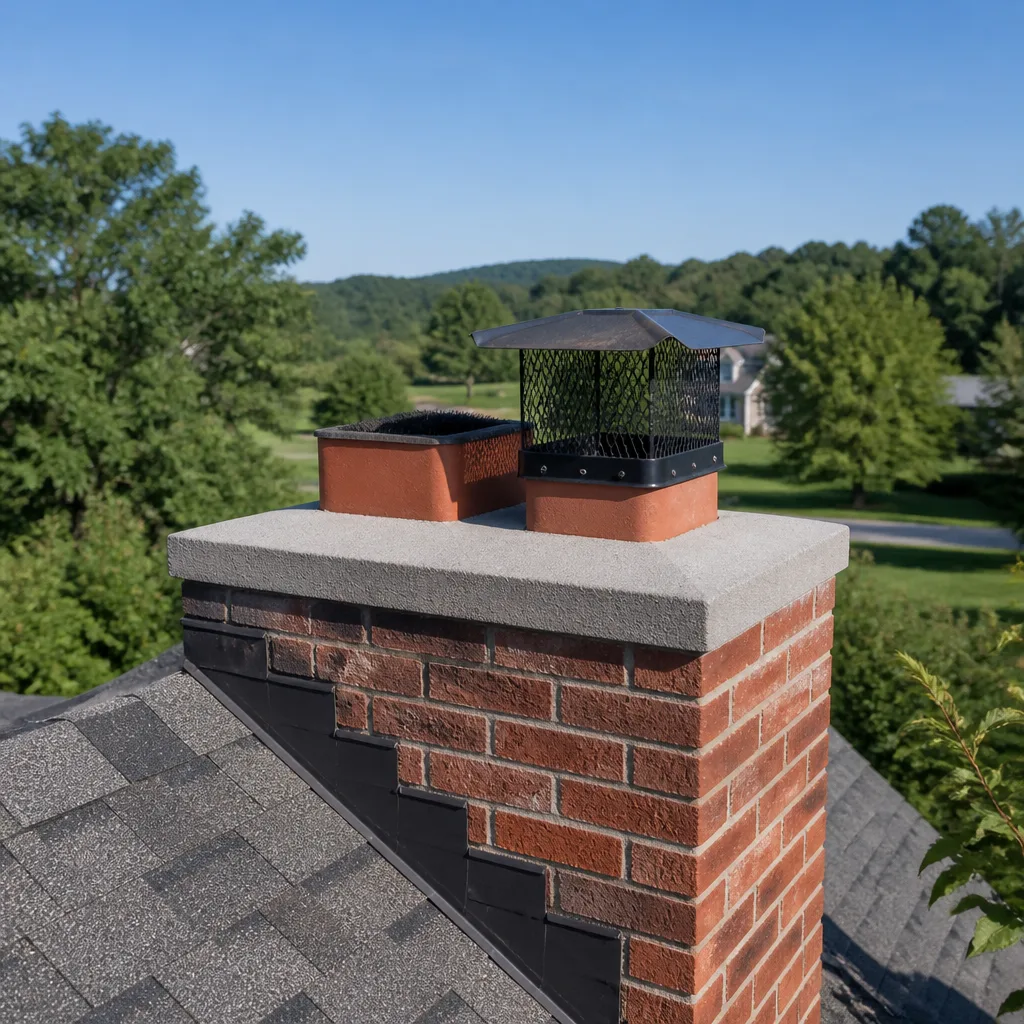 Sweep & inspection
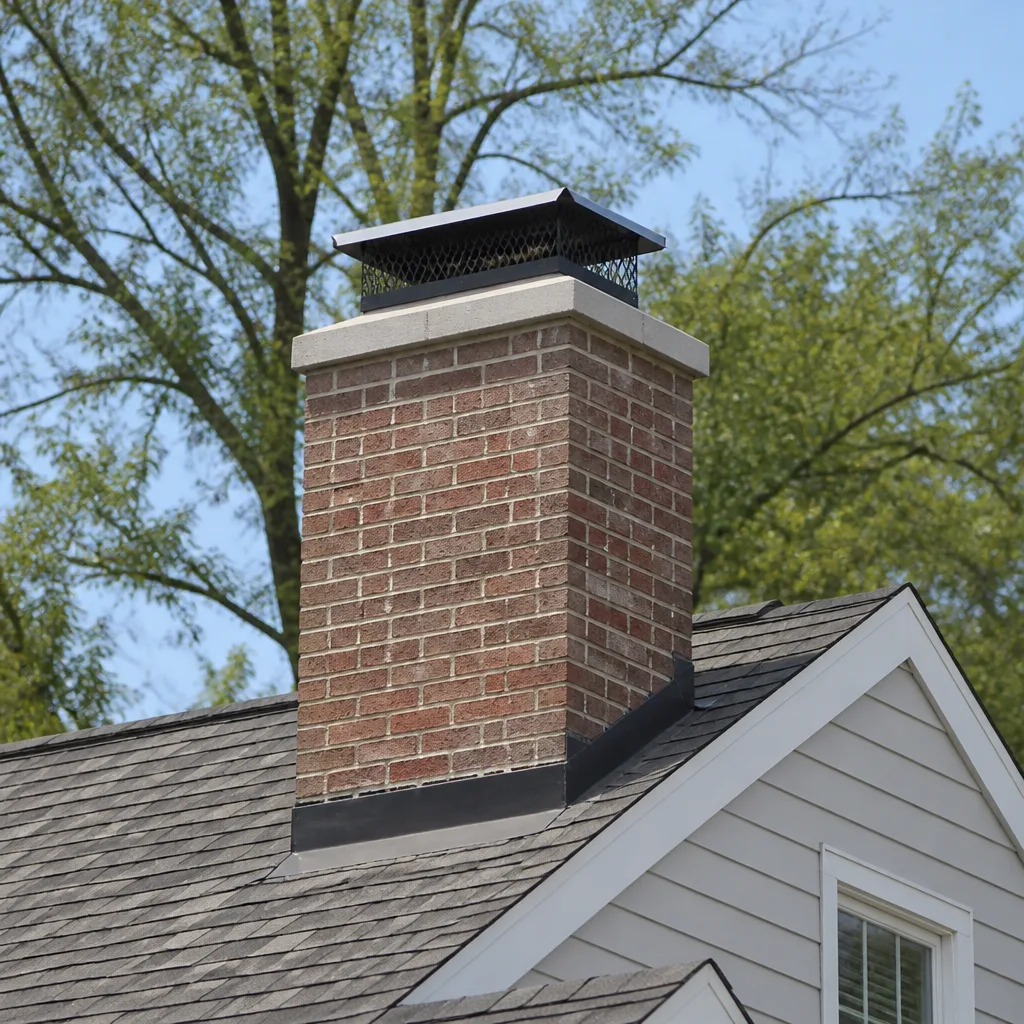 Caps & crowns
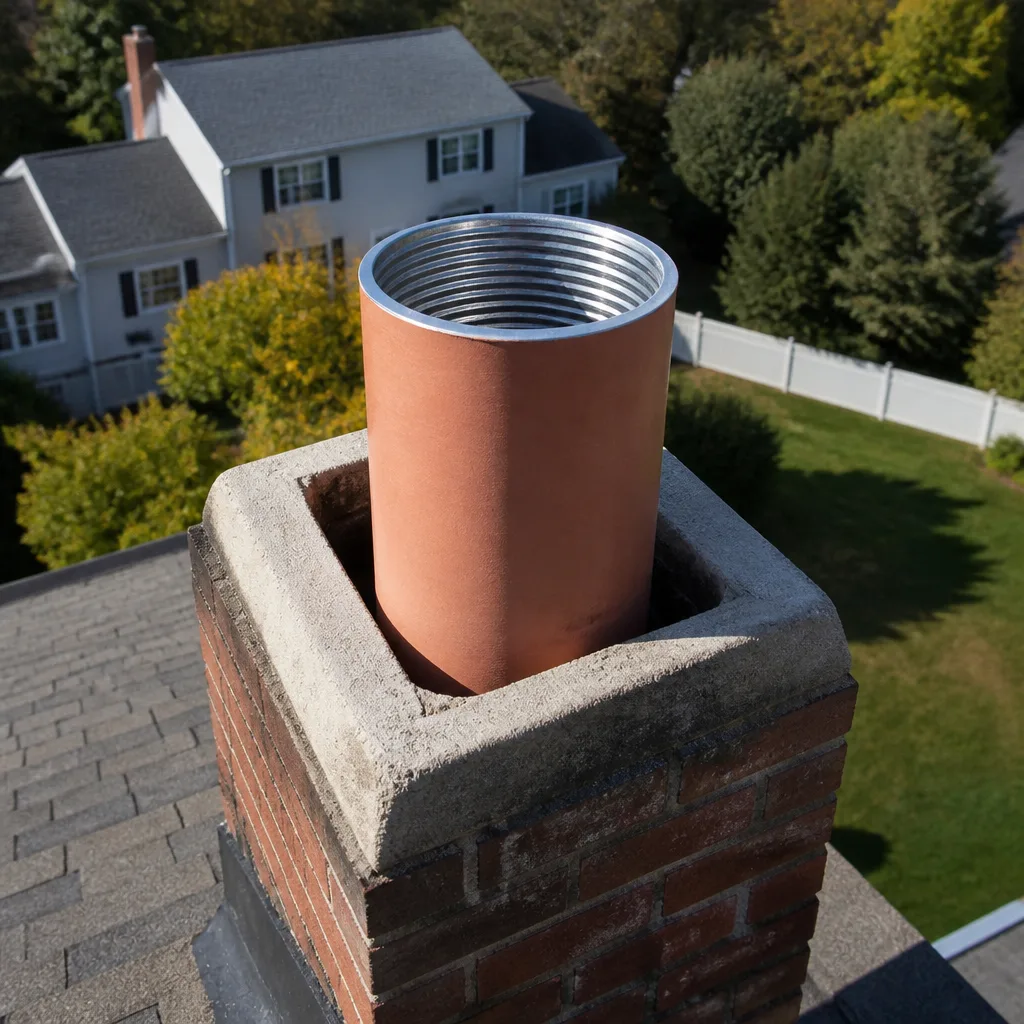 Flue relining
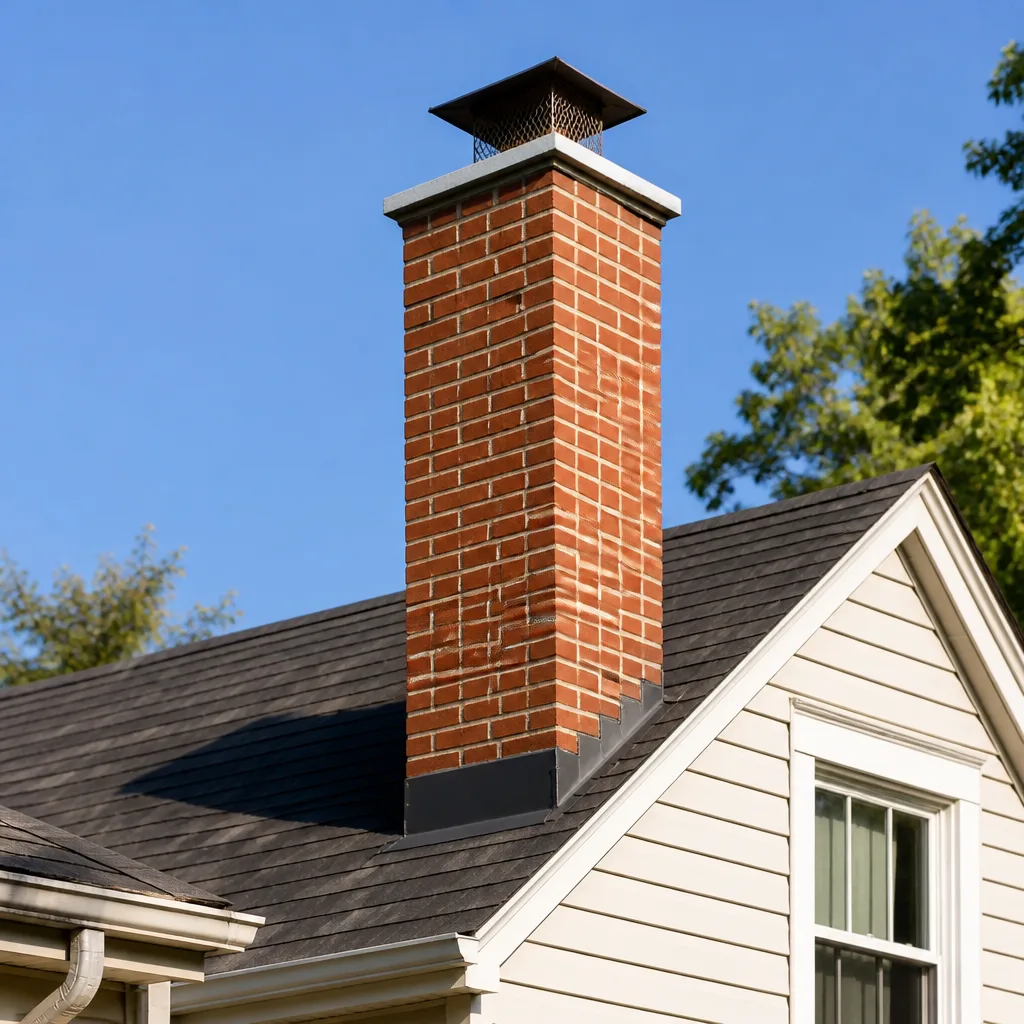 Masonry repair
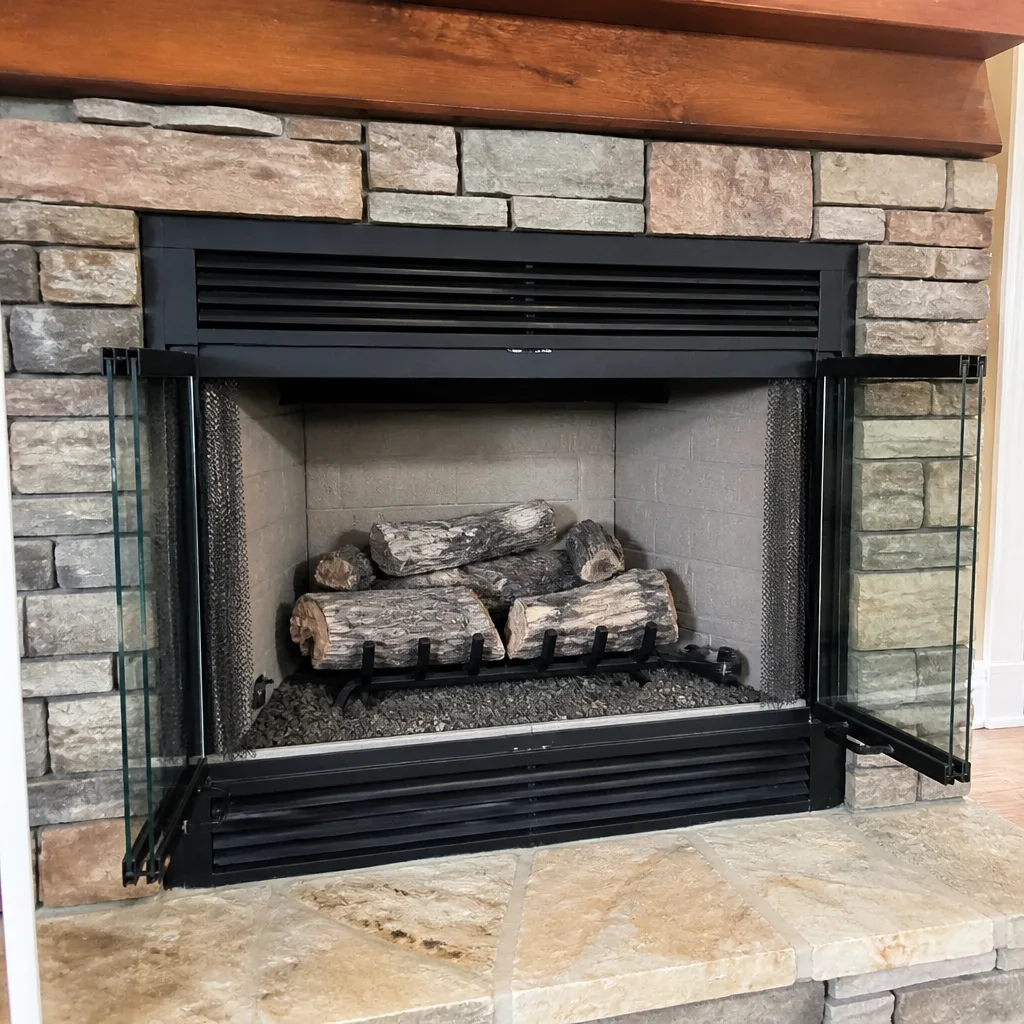 Gas fireplace service
Level 1 sweep and inspection to the NFPA 211 annual standard - flue, crown, cap, and flashing checked and photographed
Chimney sweep logs do not sweep chimneys. They loosen some creosote - which then falls where a brush and vacuum still have to collect it.
Choosing the Right Chimney Cleaning Brand: A Buyer’s Guide for Conroe
Ask a chimney sweep which creosote remover they use, or which masonry sealant they’re about to brush onto your crown, and you’ll learn more in thirty seconds than you would from an hour of sales talk. Most homeowners never think to ask. They assume “chimney cleaning” is chimney cleaning and the products are all the same. They aren’t. The gap between a professional-grade product line and a commodity substitute shows up years later, in how a flue holds up to humidity, how a sealant cures, and whether a repair outlasts the next heating season. This guide is for Conroe homeowners who want to judge a chimney company by what it puts inside and on top of the chimney, not just the price at the door.
Quick Answer
The right chimney cleaning brand is one a working professional can name and defend: a recognized product line chosen for the job it’s doing, used the same way on every job, and backed by a company that also handles the sealing and repair work. In Conroe, where humidity and heavy seasonal rain are the real test, the brands a sweep uses in cleaning, waterproofing, and relining tell you whether you’re hiring a specialist or a generalist with a brush.
Styles & brands we work with
- Sweep & inspection
- Caps & crowns
- Flue relining
- Masonry repair
- Gas fireplace service
Table of Contents
- Why the Brands a Chimney Company Uses Tell You So Much
- What Counts as a Professional-Grade Chimney Product
- Why Sealant Brand and Application Method Matter in Conroe’s Humidity
- How to Ask a Contractor About Their Materials Without Sounding Adversarial
- Professional Product Lines Versus Retail Chemicals
- Why Brand Consistency Across Cleaning, Sealing, and Repair Matters
- Reading the Answers: Confident Versus Evasive
- Matching the Product to the Problem
Why the Brands a Chimney Company Uses Tell You So Much
A chimney brush is a chimney brush. Nobody is going to argue that. But the work around the brush is where products separate, and that’s the part a homeowner never sees. The cleaning agent, the sealant, the crown repair material, the liner system itself: each one is a decision the company makes, and those decisions add up to a standard.
Think about what a brand name actually reveals. A company that can tell you it works with HeatShield and DuraFlex and Olympia Chimney parts is telling you it buys from the professional supply chain, knows which product does which job, and has enough volume to keep those products on hand. A company that shrugs and says “we just use what works” is telling you something too, even if it doesn’t mean to.
In our experience, brand fluency is one of the fastest reads on a chimney company. It’s harder to fake than a friendly phone manner. Anyone can say they do a good job. Not everyone can tell you the resurfacing system they use, why that system suits a clay tile flue, and what it won’t fix.
Homeowners in Conroe have real reasons to sort this out. The area gets serious seasonal rain, the fireplaces here get worked hard during the cooler months, and plenty of houses change hands with a fireplace nobody has actually inspected. When you know which products a company relies on, you can judge its technical floor. Chimney Sweep Conroe leans on that idea: the lineup should do the talking. For a broader walk-through of how we handle the work itself, see our chimney sweep page.
What Counts as a Professional-Grade Chimney Product
Professional-grade doesn’t mean expensive for its own sake. It means the product was built for the job, with known performance, and the people applying it understand its limits. In chimney cleaning and repair, most of what you’ll encounter falls into cleaning and creosote products, waterproofing sealants, crown and masonry repair materials, and relining systems. The brands that show up repeatedly are the ones a working trade trusts: Rutland and ACS in cleaning and maintenance chemistry, ChimneySaver in waterproofing, HeatShield in resurfacing, DuraFlex in flexible stainless relining.
The differences from commodity alternatives tend to be practical, not abstract:
- Consistency. A professional line mixes and cures the same way each time, so the result doesn’t depend on which batch someone grabbed.
- Vapor behavior. A masonry sealant must let moisture escape while keeping rain out. A cheap sealer that simply blocks the surface can trap moisture inside the masonry, which is the opposite of what you want.
- Formulated coverage. Professional products tell you what surface they’re meant for and how much coverage to expect. Generic substitutes leave it to guesswork.
- Known lifespan. Liner systems and resurfacing materials carry expectations about how long the material should last when applied correctly.
We work across a range of recognized brands because no single manufacturer makes the right product for every part of a chimney. HeatShield handles resurfacing; DuraFlex handles relining; Olympia Chimney and Gelco supply repair parts; Famco and Copperfield cover the dampers and caps that finish the job. The brands a chimney professional specifies by name, rather than generically describing.
Why Sealant Brand and Application Method Matter in Conroe’s Humidity
Sealant brand is not a detail in this part of Texas. Masonry around Conroe spends much of the year soaked by rain and then dried by heat, and the way a chimney breathes is the whole ballgame. A good masonry waterproofing product blocks liquid water at the surface while letting vapor escape from inside. A cheap or wrong sealer does one without the other, and that’s where trouble starts.
Here’s what to understand about application method, because the brand alone isn’t enough:
- The chimney has to be clean and dry. Sealant applied over creosote or damp masonry won’t bond correctly, no matter which product is used.
- Coverage has to match the product. Too thin and it fails early. Too thick can trap vapor. The product’s stated coverage exists for a reason.
- Waterproofing is not crown repair. These are different materials doing different jobs. A chimney that needs repointing or crown work won’t be saved by sealant alone.
- One coat is not always the answer. Heavily porous or weathered brick may need a different approach, and a technician should be able to explain why.
This is where a company that uses a recognized waterproofing line, and can tell you how it applies it, separates from one that grabs a sprayer and a bucket of whatever was on the shelf. We’ve seen how fast the wrong product over the wrong surface shows its hand in this climate. Conroe humidity is patient. It finds the wrong materials.
How to Ask a Contractor About Their Materials Without Sounding Adversarial
You don’t need to be confrontational to get a real answer. A few natural questions, dropped into the conversation while the technician is looking at your hearth, will tell you everything you need.
- “What cleaning product do you use, and why that one?” A real answer names a product and a reason. A vague answer (“the good stuff”) is an answer too.
- “Do you make the sealant choice based on the masonry, or is it always the same product?” This tests whether they’re thinking about your chimney or going through a routine.
- “Can you tell me the brand of the resurfacing system, if I need it?” A professional in the trade will name it without hesitation.
- “If you recommend liner work, what system do you install, and why that one?” Flexible stainless systems are named by their makers for a reason.
- “Will the written estimate name the products?” This is the quiet clincher. Specifics in writing mean specifics in practice.
The tone is friendly curiosity, not cross-examination. A confident, knowledgeable company will light up at these questions, because they’re the ones they’d like to be asked. That’s the whole reason the brands matter: they let you tell the difference. If you’re curious how the inspection piece feeds into all this, our guide to Conroe chimney services lays out the full service cycle from inspection to repair.
Professional Product Lines Versus Retail Chemicals
There’s a real difference between a chimney company that keeps a professional product line on hand and one that sends someone to a home improvement store the morning of the job. Sometimes the two products look similar on paper. In the field, they don’t.
A professional supply line means the company is buying through channels built for the trade, where products come with application guidance, known performance, and consistent formulation. Retail supplies are designed for a homeowner doing a one-time task. That’s not a knock on retail products in their category; it’s just not the same tool.
You can often spot the difference in how a company talks about materials:
- Professional habit: “We use HeatShield on clay tile flues because it bonds to the tile surface. If the flue is too far gone, we’ll tell you and talk liner instead.”
- Retail habit: “We’ll just seal it up and you’ll be good.”
The first response shows a decision tree. The second shows a shortcut. For a homeowner facing a real repair recommendation, that distinction is the difference between understanding the work and taking it on faith. We inspect it and we fix it, and the products we reach for come from working the trade rather than from whatever aisle was closest. Familiarity with systems like Famco caps and dampers or Olympia Chimney parts, for example, is exactly the kind of finish-detail fluency that separates a specialist from a generalist.
Why Brand Consistency Across Cleaning, Sealing, and Repair Matters
Brand consistency across cleaning, sealing, and repair signals a systematic approach. It’s the difference between a company that plans a chimney’s care and one that improvises job by job.
When the same professional product lines run through every step, a few things happen. The sweep, the sealant, and the repair recommendation all come from the same understanding of how a chimney is built and how it ages. The inspection findings carry over to a repair plan the company can actually execute, because it already owns the supply chain for the fix. And the homeowner gets one accountable partner instead of a sweep who finds a problem and sends you to someone else.
This is why we offer all three core services – sweep, repair, and inspection – under one company. The inspection is the discovery step. The repair is the resolution. When the discovery and the resolution live in the same place, recommendations stop being guesswork and start being evidence. HeatShield resurfacing and DuraFlex relining are products that a company specifies by name for exactly that reason: they’re built for particular problems, and a specialist knows when each is the right answer.
The alternative, mixing off-brand supplies and rotating products based on what’s on sale, invites inconsistency. One sweep uses a stronger cleaner, a different sealant, a different repair part. Over several seasons, you’re left guessing why your chimney is behaving the way it is. A systematic approach removes the guesswork, and for a homeowner in Conroe dealing with humid weather and heavy rain, that consistency is the real currency.
Reading the Answers: Confident Versus Evasive
The way a company answers material questions is more informative than the words themselves. Confidence has a shape; so does evasion.
Confident answers tend to look like this:
- They name products without hesitation.
- They tell you what a product won’t fix, not just what it will.
- They can explain the reason a particular product suits your chimney.
- They put product names in the written estimate.
- They’ll say when work can safely wait.
Evasive answers tend to look like this:
- The word “quality” gets used with no product attached to it.
- Every question leads back to a price.
- The recommendation arrives without evidence you can see for yourself.
- The scoop on the materials comes from whoever answered the phone, not from the person doing the work.
A homeowner doesn’t need to be an expert to read this. You just need the right questions. The brands a company can name, and the confidence with which it names them, are a shortcut past the technical detail. If a sweep can’t tell you what they’re applying to your home, that’s not a small thing. It’s a window into the standard the work is held to. If the answers leave you uneasy, it may be worth talking to a company that works with professional-grade materials by default to compare.
Matching the Product to the Problem
One more piece of the puzzle: even excellent brands are only excellent when they match the job. A buyer’s guide wouldn’t be honest without saying that product selection matters as much as product quality.
Here’s how the decision tree typically looks, from the outside:
- Routine cleaning. A professional cleaning product loosens creosote for sweeping. The product is only part of the job; the inspection that follows is the real value.
- Waterproofing. A masonry sealant chosen for the surface and climate comes after the chimney is clean and any repairs are done.
- Relining. When a flue is cracked or doesn’t suit the appliance, a flexible stainless liner system is the usual answer. Brand choice here has long-term stakes.
- Resurfacing. For a clay tile flue that’s worn but not gone, a resurfacing system can restore the interior surface instead of a full reline.
- Finish details. Caps, dampers, and crowns are small pieces with outsized effect on how the chimney handles rain and animals.
Each of these steps calls for a different professional product line. A company that stays inside a single brand because it’s easy isn’t thinking about the job. A company that works across recognized professional brands because each one suits a different task is the one you want. This is also where “Know exactly what’s inside your chimney” stops being a slogan and becomes a description of how the work actually proceeds. Clean flue. Sound liner. Safe fire. Every step in that chain depends on the product behind it.
Common Mistakes to Avoid
- Hiring on price alone. A low quote often reflects off-brand supplies or a shorter scope. Ask what’s included before comparing numbers.
- Not asking about materials. If you never ask, you’re accepting whatever the company defaults to. A single question about sealant brand will tell you a lot.
- Treating waterproofing as optional in Conroe. The humidity and rainfall here punish an unsealed chimney over time. A neglected crown is a slow problem that becomes a big one.
- Accepting a liner recommendation without evidence. Any repair recommendation should come with camera footage you can review, not just a verdict.
- Assuming every sweep works to the same standard. Brand fluency is one of the cleanest ways to tell a specialist from a generalist.
- Skipping the inspection to save time. Cleaning without inspection is the equivalent of mopping a floor without looking underneath it.
- Using retail supplies for a repair decision. Retail products can be fine for a homeowner touch-up. They’re the wrong baseline for a chimney that needs a professional repair plan.
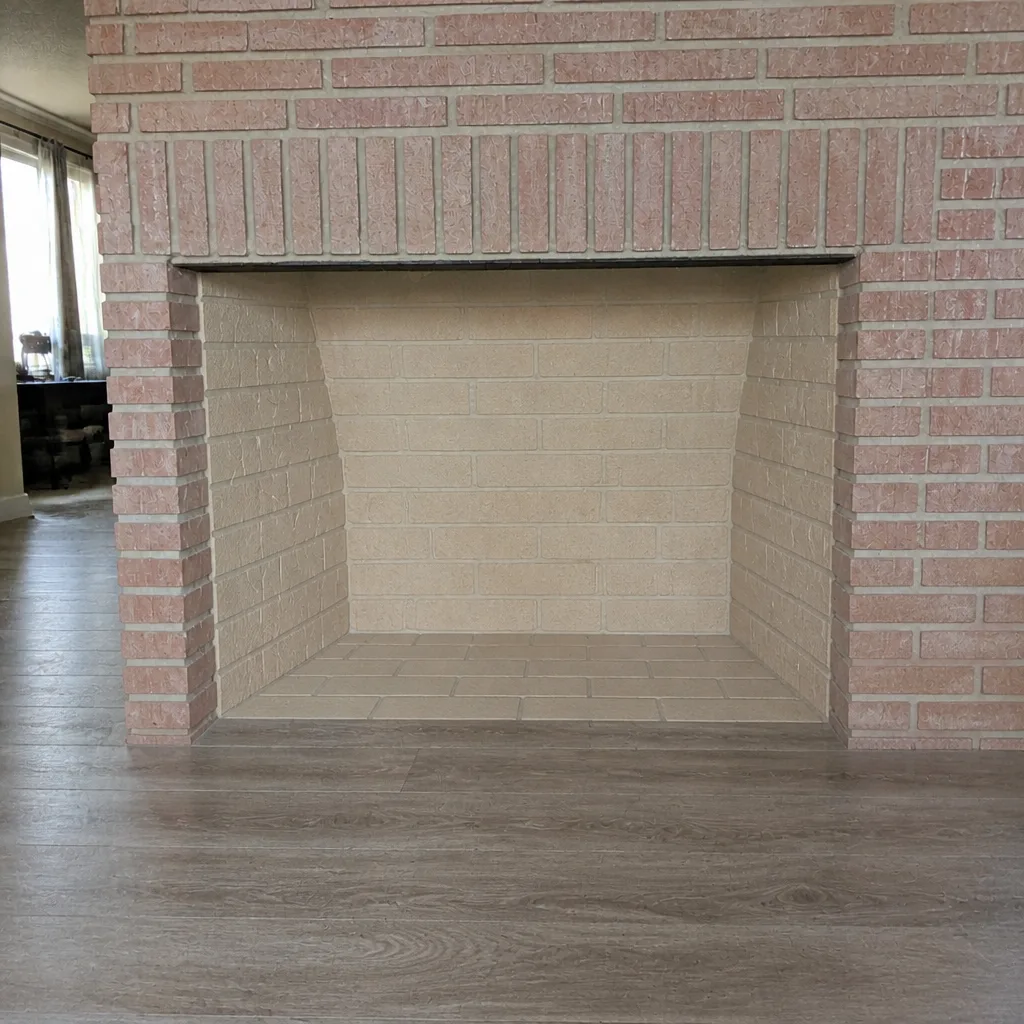
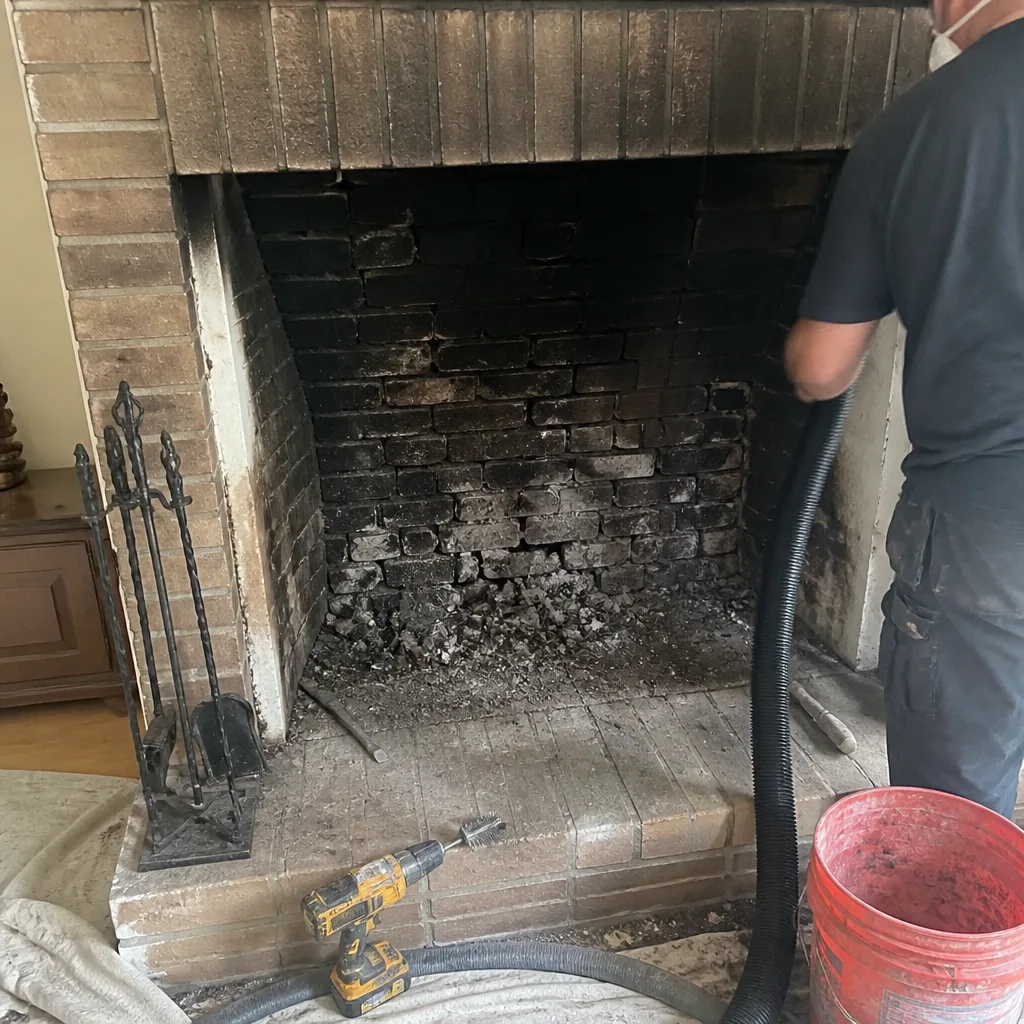
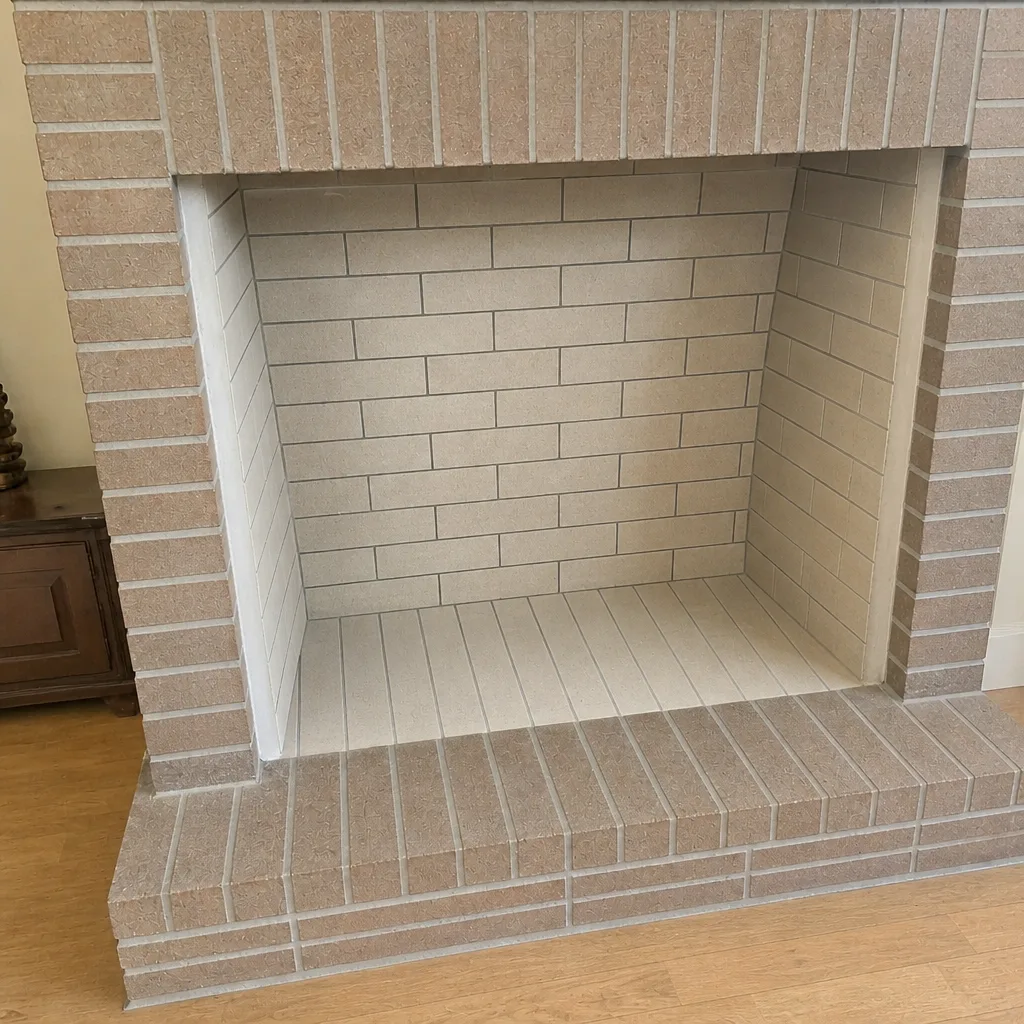
See the difference
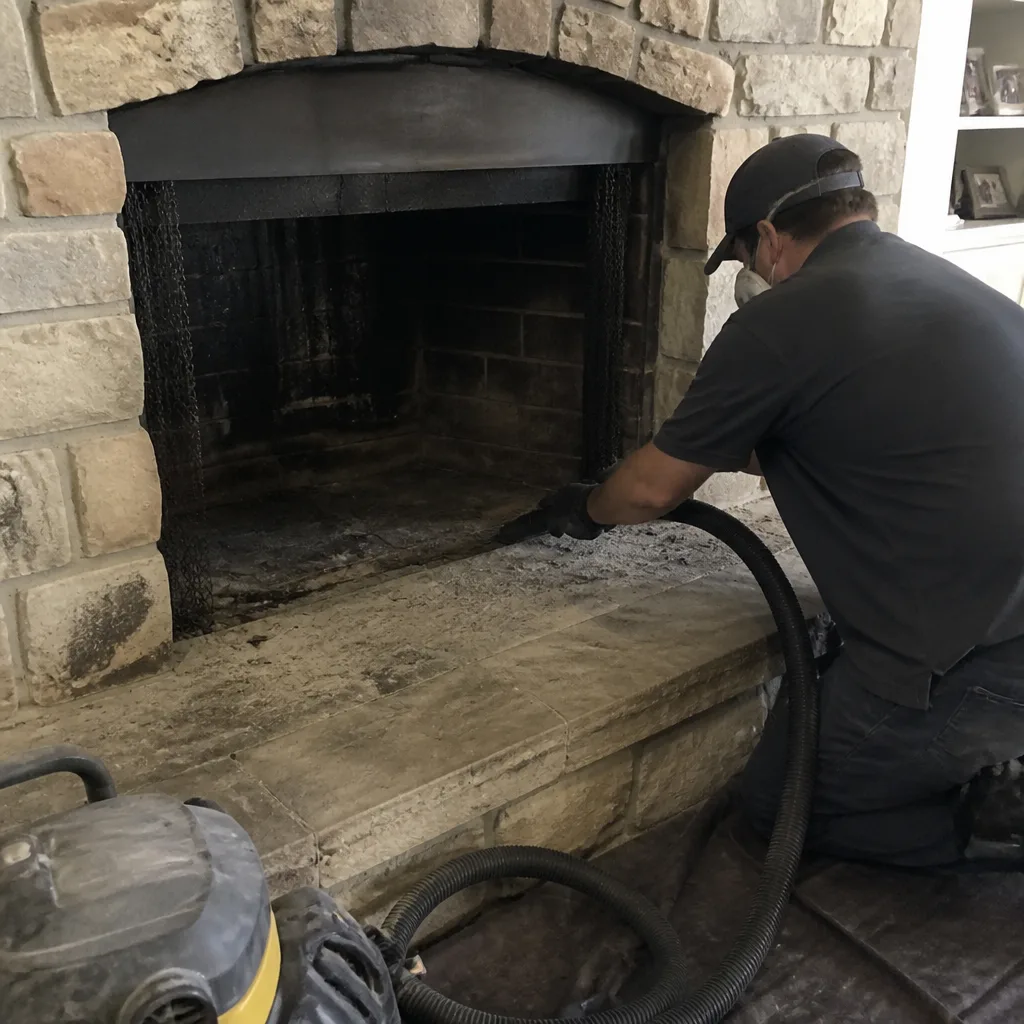 Before
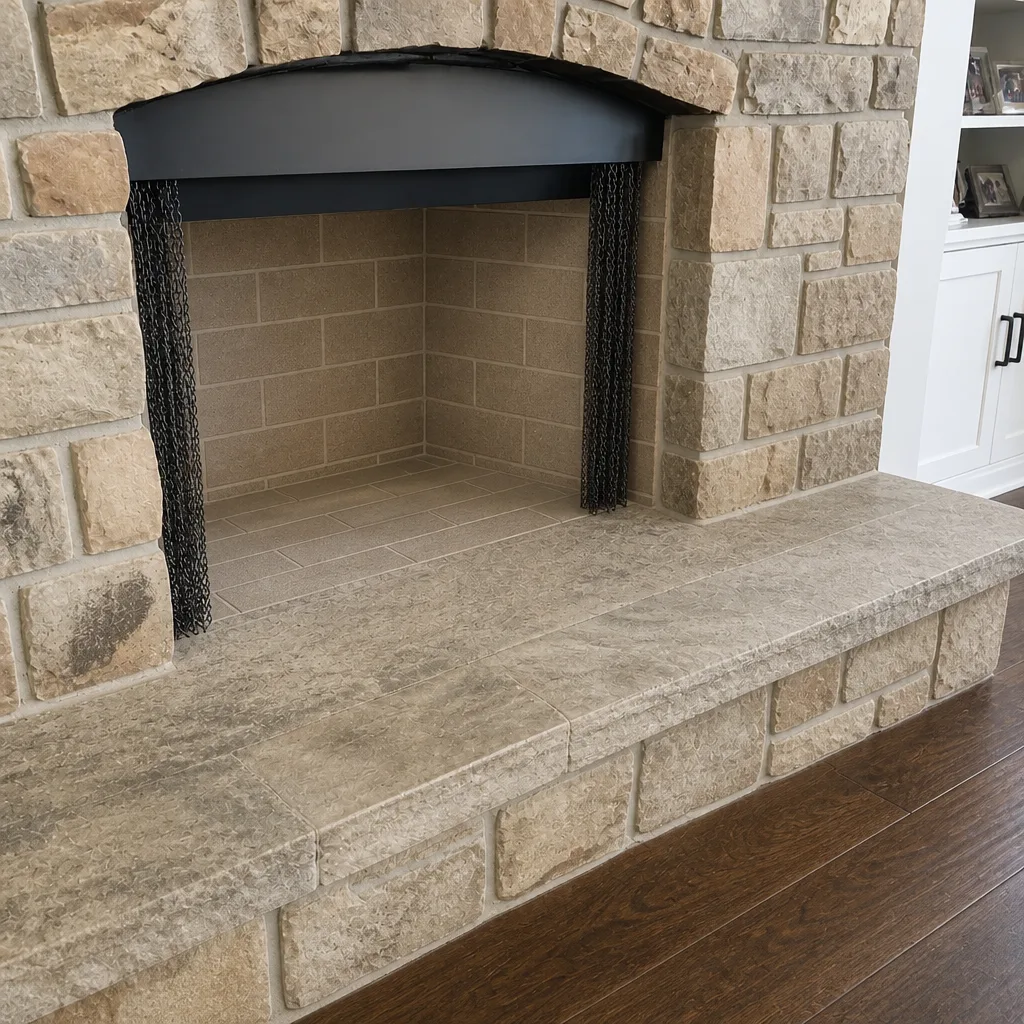 After
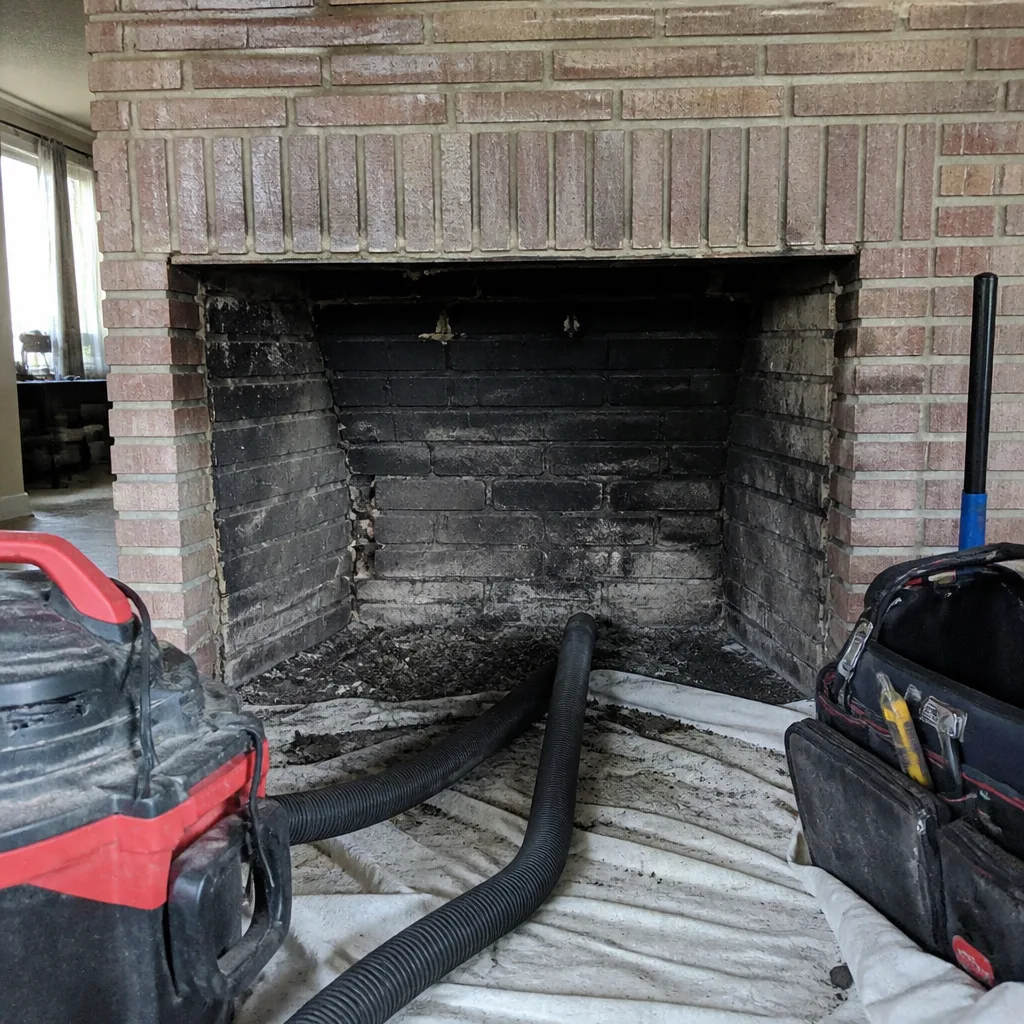 Before
 After
 Before
 After
When to Call a Professional
Some chimney work is fine to defer. Some isn’t. Call a professional when you’ve recently bought a home with a fireplace you can’t confirm was ever inspected, when you notice creosote buildup or a strong odor, when you see water stains or damaged masonry near the crown, when a damper doesn’t operate smoothly, or when you’re preparing for heavy seasonal use and want the chimney confirmed safe rather than just swept. If a previous sweep recommended extensive liner or masonry work and you have no camera footage to verify it, a second look is worth the call. Chimney Sweep Conroe offers free estimates in Conroe – call (888) 401-8620. We answer 24/7. Fast dispatch from 7am to 7pm, Sunday through Friday.
Frequently Asked Questions
Most working chimney companies use professional lines like Rutland and ACS for cleaning and maintenance, ChimneySaver for masonry waterproofing, HeatShield for resurfacing, and DuraFlex for flexible stainless relining. The specific mix depends on the job, but the pattern to look for is a company that names its products rather than describing them generically. If a sweep can’t tell you the brand of sealant or remover they use, ask why. Call (888) 401-8620 for an exact quote – estimates are free.
Yes. In Conroe’s humidity and rainfall, a masonry sealant must block rain at the surface while letting vapor escape from inside the brick. A cheap product that simply coats the surface can trap moisture and cause more harm than good. The right brand, applied correctly on a clean, dry chimney after any repairs, is what actually protects the masonry year after year. Call (888) 401-8620 to talk through what your chimney needs – estimates are free.
Ask them. A company working with professional brands will name them without hesitation and explain why each suits a job. A company relying on retail supplies will tend to use vague words like “quality” or “the good stuff” and steer the conversation back to price. The written estimate is the final test: professional companies name products in writing. Call (888) 401-8620 for an exact quote – estimates are free.
Consistency signals a systematic approach rather than a job-by-job improvisation. When the same professional product lines carry through every step, the inspection findings lead directly into a repair plan the company can actually execute. That’s how we inspect it and fix it under one roof, with no handoffs. Call (888) 401-8620 – estimates are free.
You only need a new liner when the evidence says so. A camera inspection should show you what’s going on inside the flue, and a company working with professional products will say plainly when a repair can wait. Nothing should be recommended without footage you can review yourself. If you’re unsure about a prior recommendation, a second look is worth it. Call (888) 401-8620 for an exact quote – estimates are free.
Creosote builds up and becomes harder to remove, masonry absorbs moisture and starts to spall, and small issues quietly get bigger. That’s not a scare story; it’s how masonry behaves in a humid climate when it’s left alone. The cost of a routine sweep and a proper sealant is far lower than repair work a few seasons down the line. Call (888) 401-8620 – estimates are free.
The Bottom Line
The brands a chimney company uses are a shortcut to judging its technical standard. Professional product lines like Rutland, ACS, ChimneySaver, HeatShield, and DuraFlex aren’t just names; they’re evidence that a company buys through the trade, knows which product suits which job, and holds itself to a consistent method. In Conroe, where humidity and heavy seasonal rain are the testing ground, that standard is what keeps a chimney sound through the seasons. Ask about materials. Ask what a product won’t fix. Ask whether the written estimate names what goes on your chimney. A confident, knowledgeable specialist will welcome the questions. A generalist will not.
Get a Free Estimate in Conroe
If you’d like a straight answer about the products your chimney needs and a written estimate that names them, call (888) 401-8620. We’ll inspect, explain what we find, and recommend only what the evidence supports – nothing more. We answer 24/7. Fast dispatch from 7am to 7pm, Sunday through Friday. Chimney Sweep Conroe offers free estimates in Conroe for properties across the area, and if you’re comparing repair options, our guide to chimney repair covers how we decide what’s urgent and what can safely wait.
Written by the team at Chimney Sweep Conroe.