
Last updated November 16, 2026
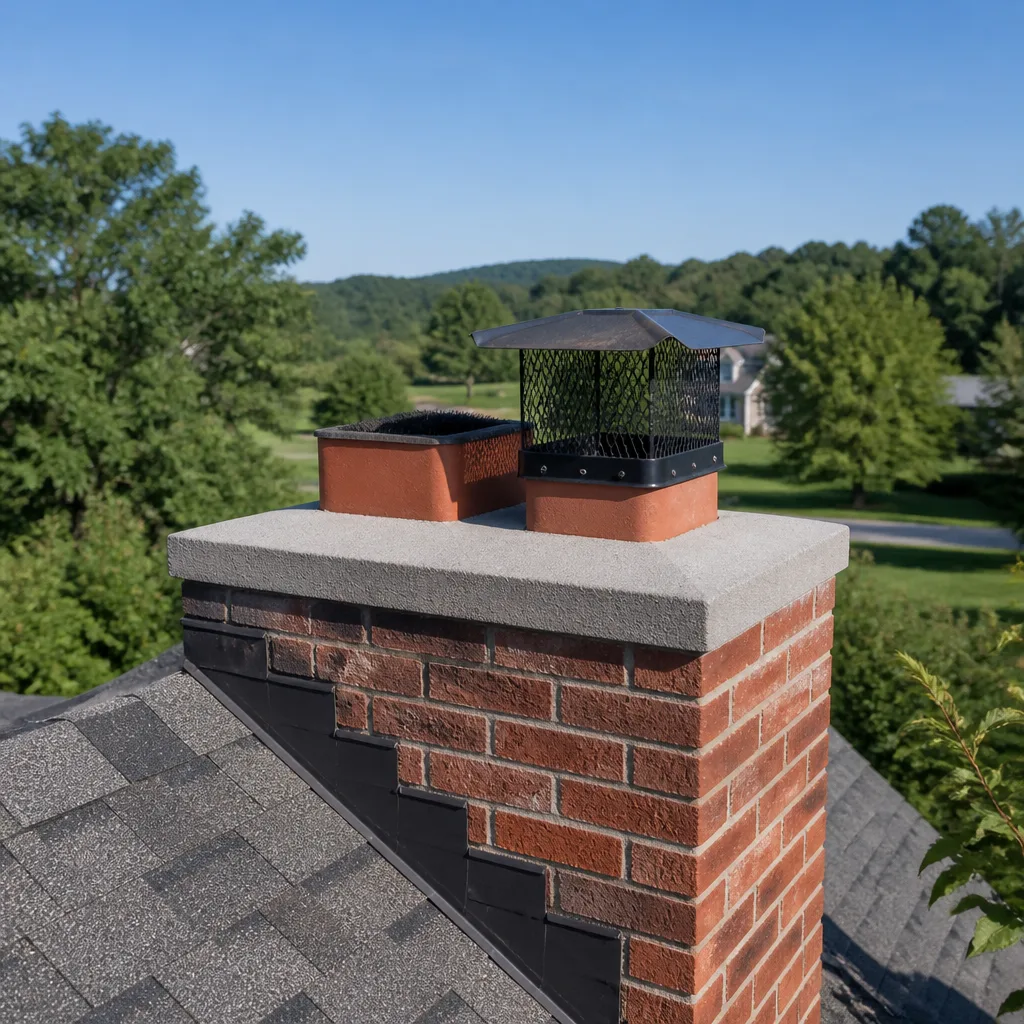 Sweep & inspection
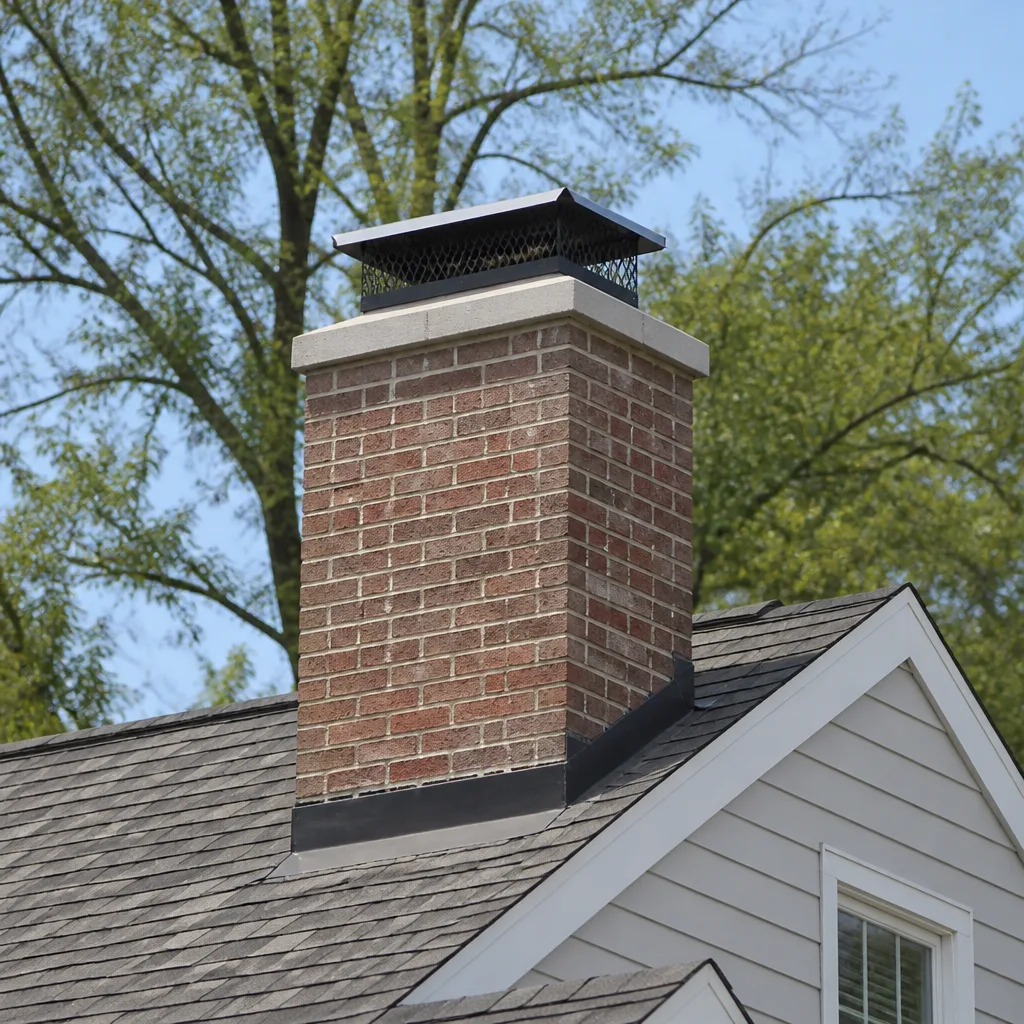 Caps & crowns
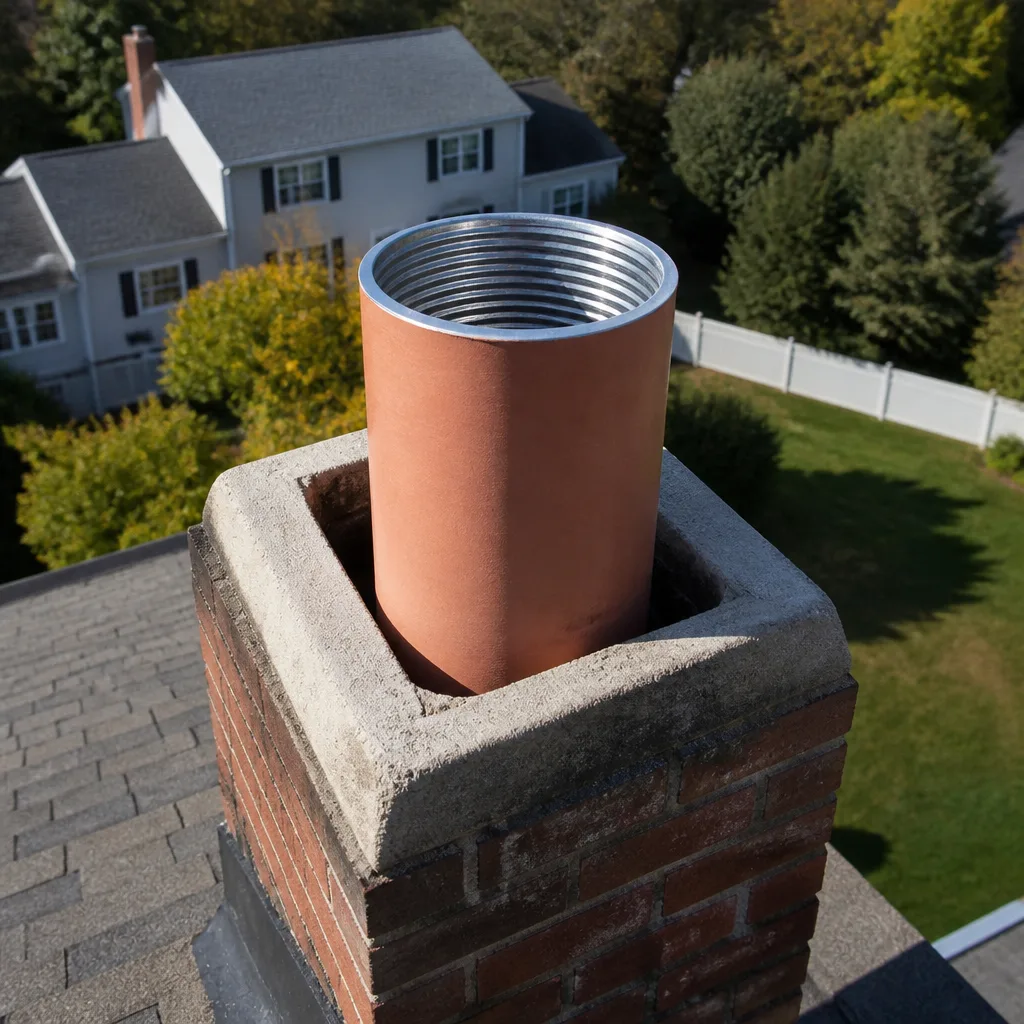 Flue relining
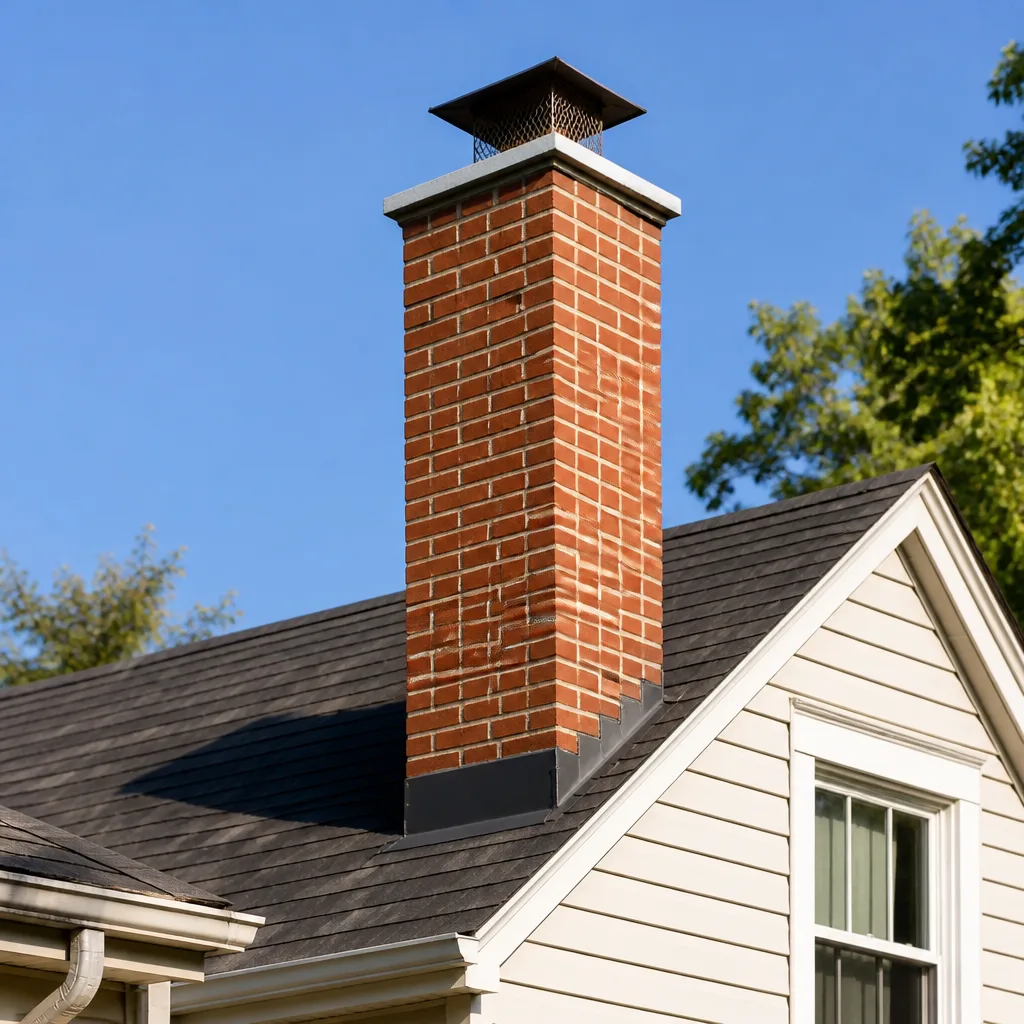 Masonry repair
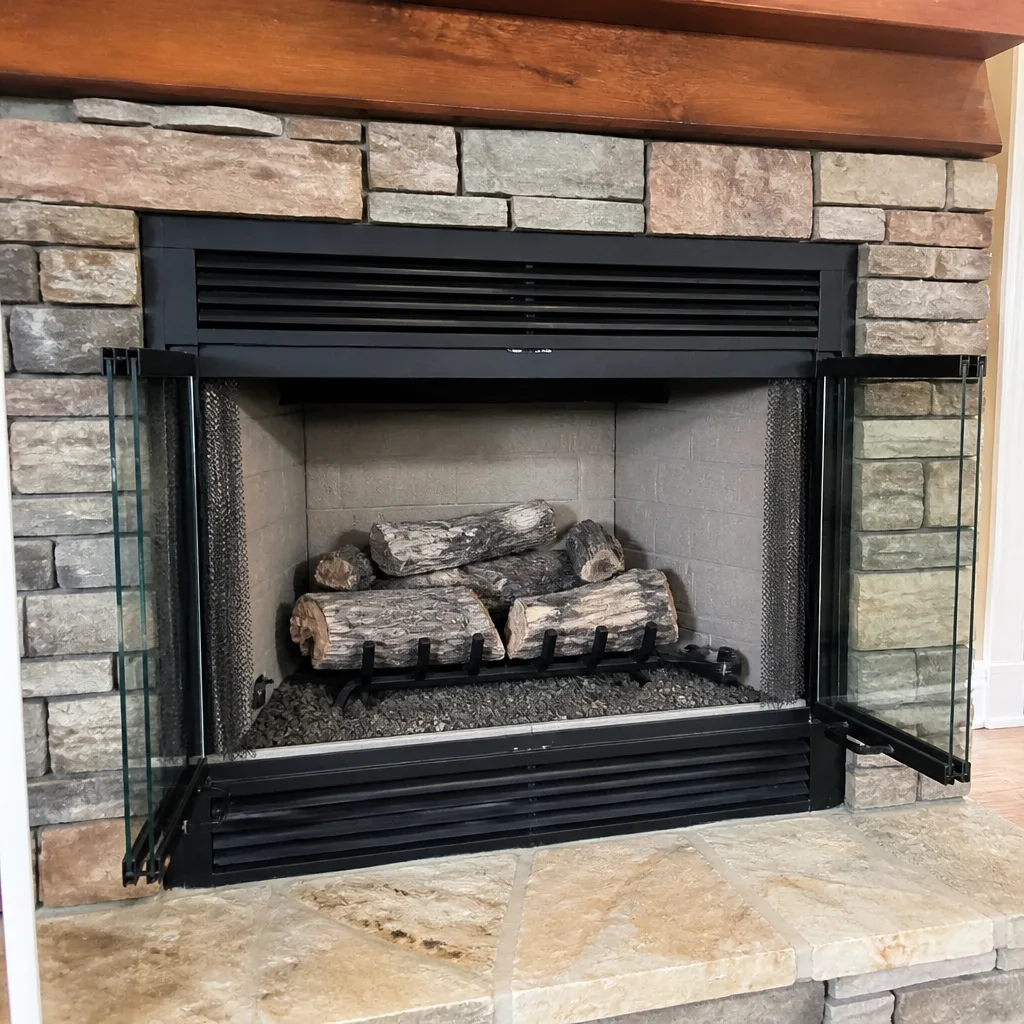 Gas fireplace service
Level 1 sweep and inspection to the NFPA 211 annual standard - flue, crown, cap, and flashing checked and photographed
Chimney sweep logs do not sweep chimneys. They loosen some creosote - which then falls where a brush and vacuum still have to collect it.
Chimney Cleaning Emergency Preparedness Guide for Conroe Homes
Most homeowners picture a chimney fire as something loud and obvious: a roar in the flue, flames at the cap, a smell of smoke that fills the room. The truth is less dramatic and more dangerous. A slow-burning chimney fire can smolder inside a flue for a long stretch, damage the liner, and go completely unnoticed until someone finally looks up the chimney with a camera. In Conroe, where the burn season runs long and humidity swings hard, that quiet kind of fire is the real risk. This guide explains why, how carbon monoxide fits into the picture, what to do in the first minutes if you suspect a fire, and how to build a preparedness routine that keeps your fireplace safe.
Quick Answer
Emergency chimney preparedness in Conroe comes down to three habits: an annual professional inspection, knowing the difference between a fast fire and a slow one, and having working carbon monoxide detectors properly placed near your living spaces. Most chimney fires and carbon monoxide events start with creosote buildup or a damaged flue that would have shown up in a camera inspection months earlier. Preparedness is maintenance, not reaction.
Styles & brands we work with
- Sweep & inspection
- Caps & crowns
- Flue relining
- Masonry repair
- Gas fireplace service
Table of Contents
- Fast Chimney Fires vs. Slow Chimney Fires
- Carbon Monoxide Risk From a Blocked or Damaged Flue
- What to Do in the First 10 Minutes If You Suspect a Chimney Fire
- How a Post-Fire Level 2 Inspection Works
- The Conroe Chimney Preparedness Checklist
- Creosote: The Fuel Behind Most Chimney Fires
- Preparing Your Chimney Before and After Burn Season in Conroe
- Keeping Inspection Records for Your Home
Fast Chimney Fires vs. Slow Chimney Fires
Chimney fires fall into two broad categories, and they behave very differently. The fast kind is the one people imagine. The slow kind is the one that causes quiet, cumulative damage and is far more common than most Conroe homeowners realize.
A fast chimney fire burns hot and fast. It usually announces itself: a rumbling or roaring sound in the flue, a sudden crackling, an intense heat, sometimes a whoosh like a small engine starting. These fires can reach extreme temperatures quickly and can distort metal liners, crack masonry, and send sparks onto the roof. They are terrifying but often short-lived, and the homeowner typically knows something happened.
A slow chimney fire is a different animal. It smolders inside a thick layer of creosote, burns at lower temperatures over a longer period, and produces almost no visible sign from inside the house. The flue may be warm to the touch near the top, but there’s rarely smoke in the room, rarely noise, and rarely a clue. The damage builds slowly. The liner gets stressed, the mortar joints weaken, and small cracks form. Weeks later, an inspection reveals a flue that’s no longer sound. In our experience, this is the pattern we find most often in and around Conroe: a homeowner with no memory of a fire who turns out to have structural damage from one they never noticed.
Why is the slow fire the bigger Conroe risk? Because burn season here can stretch from November through March, and many fireplaces sit idle for months and then get heavy use. Creosote builds up in the flue from repeated small fires that cool before fully combusting. Cool-burning fires, the kind that smolder overnight, deposit more creosote than hot fires. Over a season, that coating thickens. A slow fire is the natural result.
- Fast fire signs: roaring sound, visible heat, sparks at the cap, sudden pressure change, smell of hot metal.
- Slow fire signs: puffy or “honeycombed” creosote inside the flue, discolored or warped liner sections, cracked masonry, a persistent smoky smell long after fires stop.
The critical point: you cannot see either type from your living room. The flue must be inspected with a camera to know what’s happening. Professional-grade materials matter here because whatever damage is found, the repair needs to hold. That’s why we work with brands like HeatShield for resurfacing and DuraFlex liner systems for relining – products professionals specify by name rather than generic substitutes. Clean flue. Sound liner. Safe fire.
Carbon Monoxide Risk From a Blocked or Damaged Flue
Carbon monoxide exposure from a chimney system does not require a fire. That’s the part most homeowners miss. Any time a flue is blocked, cracked, separated at a joint, or under-drafted, combustion gases can spill back into the house instead of rising out the top. Carbon monoxide is colorless, odorless, and tasteless, which means a problem can build for weeks with no sensory warning at all.
In a properly functioning chimney, hot gases rise up the flue and vent out the top. The draft depends on a clear path, a consistent flue size, and a tight barrier between the flue interior and the rest of the house. When that barrier fails, gases find their way into living spaces. Common causes we see in Conroe include:
- A cracked or spalled clay tile liner that allows gas to escape into wall cavities.
- A blocked flue from a bird nest, squirrel nest, or a fallen cap – usually discovered during an annual inspection.
- A damaged or missing damper that leaves the flue open and compromises draft direction.
- A negative-pressure problem, where exhaust fans or HVAC systems pull combustion gases back down the flue.
- Creosote buildup that narrows the flue and reduces draft enough to cause back-spill.
Carbon monoxide detectors are your first line of defense, and placement matters. The CDC and fire safety organizations generally recommend one detector on every level of the home and outside sleeping areas. For a chimney-specific risk, adding one near the fireplace room is a sensible precaution. Test the detectors at the start of burn season. A detector with a dead battery is not protection.
If a detector alarms and you suspect a chimney or gas appliance issue, get everyone out of the house, leave the door open as you go, and call 911 from outside. Then call us. We answer 24/7. Fast dispatch from 7am to 7pm, Sunday through Friday.
What to Do in the First 10 Minutes If You Suspect a Chimney Fire
If you suspect a chimney fire, get everyone out of the house and call 911. Those two steps always come first. Beyond that, the actions in the first ten minutes can affect how much damage the flue suffers and whether the fire spreads into the structure.
If the fire is small and you’ve already called 911, these steps help:
- Close the fireplace doors or glass screen. Restricting air to the firebox slows the burn. Do not open the doors to look inside.
- Close the damper if you can safely reach it. A closed damper cuts the airflow feeding the fire, though it can also push smoke back into the room, so only do this if the firebox is sealed.
- Leave the house immediately. Do not wait to see if the sound stops. Do not return until the fire department clears the home.
- Call 911 from outside. If you haven’t already, call now. The fire department will check the attic, roof, and surrounding structure for extension.
- Do not throw water on the fire. Water on a hot flue can crack masonry and clay liners, and it can cause a burst of steam and smoke into the room. Leave suppression to the fire department.
- Note the time and what you observed. What you heard, what you smelled, when the burning stopped – these details help the post-fire inspection identify where the damage occurred.
- Do not use the fireplace again until it has been inspected. This is not optional. NFPA 211 recommends a Level 2 inspection after any chimney fire before the system is returned to service.
After the fire department clears the home, call us and book a post-fire inspection. Nothing gets swept or repaired before the inspection documents what happened. The camera tells the story, and you see the photographs yourself.
How a Post-Fire Level 2 Inspection Works
A Level 2 inspection is the standard required after a chimney fire, and it’s what NFPA 211 calls for before the fireplace is used again. It’s more thorough than the visual check you get during a routine annual sweep. It includes a video camera scan of the entire flue interior, an examination of accessible attic and crawl spaces, and a look at the chimney exterior and all connected flue passages.
Here’s what that actually means in a Conroe home:
- Camera scan of the flue. A specialized camera travels the length of the flue and records the condition of the liner, joints, and any creosote deposits. We capture still frames and video so you see the evidence yourself, not just a verbal description.
- Chimney exterior inspection. The technician checks the cap, crown, flashing, and brickwork for signs of heat stress, spalling, or cracking.
- Attic and crawl space. Accessible areas near the chimney are checked for smoke residue, water staining, and structural damage that a fire can leave behind.
- Appliance and venting check. If your furnace or water heater vents into the chimney, those connections are inspected too, since fire damage can compromise a shared flue.
- Written report with photographs. You receive a documented account of what’s sound, what’s marginal, and what needs repair. Nothing is recommended without visible evidence.
Depending on what the inspection finds, repairs may involve resurfacing with a system like HeatShield, relining with a flexible stainless component like DuraFlex, or replacing damaged caps or dampers with Famco or Copperfield products. Some inspections reveal that the flue is structurally fine and only needs cleaning. That’s a good outcome, and it’s the one we hope for. The important part is that you know exactly what’s inside your chimney either way.
The inspection is the point where a preparedness posture pays off. If you’ve had annual inspections, the technician has a baseline. That baseline makes it easier to spot what changed after a fire. If you’ve never had one, this is where documentation starts.
The Conroe Chimney Preparedness Checklist
Preparedness isn’t a single action. It’s a rhythm of checks, records, and habits that keep your chimney safe across an entire burn season. This checklist is the one we’d hand to any Conroe homeowner before the first fire of the year.
- Schedule an annual inspection before burn season. A professional inspection should happen every year, ideally before the first fire in late fall. Inspections catch creosote buildup, liner damage, and blockages before they become emergencies.
- Know your last cleaning date. If you can’t remember when your chimney was last swept, that’s a sign it’s due. Write the date on a label inside the firebox door or keep it in your home records app.
- Test every carbon monoxide detector. Press the test button on each unit. Replace batteries at the start of the season, whether they’re new or not. Add a detector in the room with the fireplace if you don’t have one.
- Check the chimney cap. Look at the cap from the ground. If it’s missing, bent, or blocked with debris, that’s a draft hazard and a CO risk. Cap inspection happens during the annual service.
- Clear the area around the fireplace. Combustible materials should be kept well away from the hearth. Check behind the fireplace for stored boxes, paper, or furniture.
- Inspect the fire screen or doors. A properly seated screen prevents embers from escaping. If the glass is cracked or the screen is loose, that’s a repair to prioritize before the first fire.
- Keep a fire extinguisher within reach. A standard ABC-rated extinguisher stored near the fireplace gives you an option if a fire escapes the firebox. Check the gauge and know how to use it.
- Document the inspection. Keep the written report and photographs in a home file. If you sell the home, this record shows a maintenance history, which matters to buyers and inspectors.
That’s the whole posture. It isn’t dramatic and it doesn’t cost much. What it does is take the emergency out of the equation, most of the time. Our technicians have up to 13 years of experience, and the pattern we see year after year is that the homes with regular inspections have fewer surprises. The homes without them find out about problems the hard way.
Creosote: The Fuel Behind Most Chimney Fires
Creosote is the residue left behind by burning wood. It forms when wood smoke cools before it exits the chimney, depositing a tar-like coating on the flue walls. That coating is flammable. It comes in three grades, and each behaves differently when it ignites.
- First-degree creosote is a light, sooty dust that brushes off easily. It’s the kind you see after a season of clean-burning fires.
- Second-degree creosote is a crusty, flaky deposit that clings to the flue wall. It requires more aggressive cleaning methods and is more flammable than the first degree.
- Third-degree creosote is the dangerous one. It’s a glazed, hardened layer that looks like black glass. It’s highly flammable and requires professional removal. In our experience, third-degree creosote is often the fuel for slow chimney fires because it ignites at lower temperatures and burns steadily once it catches.
Conroe’s climate plays a role in how creosote builds. Mild winters mean fireplaces are often used intermittently, with long idle periods between fires. Those intermittent fires tend to burn cooler, which produces more creosote than a consistently hot fire. Humidity also affects how wood seasons. Wood stored outdoors in this part of Texas can absorb moisture during wet periods, and wet wood burns cooler and smokes more, adding to the creosote load.
The best defense is burning dry, seasoned wood, maintaining a hot fire rather than a smoldering one, and scheduling annual cleaning. If your wood supply has been sitting uncovered through a wet spell, that’s worth noting before you burn it. A moisture meter is a cheap tool that takes the guesswork out of it. Dry wood reads in the teens to low twenties on a moisture meter. Anything above that burns cooler and deposits more creosote.
Preparing Your Chimney Before and After Burn Season in Conroe
Burn season in Conroe typically runs from late fall through early spring, though some homeowners use their fireplaces well into mild weather. Preparing before the season and closing out after it are two separate tasks, and both matter.
Before the first fire:
- Get an annual inspection and cleaning. This is the single most important step.
- Test the carbon monoxide detectors and replace batteries.
- Check the cap, screen, and damper for damage or obstruction.
- Confirm your wood is dry and seasoned.
- Clear combustibles away from the hearth.
After the last fire:
- Schedule a cleaning if you burned heavily, or a lighter cleaning if the season was mild.
- Look for exterior signs of wear: cracked crown, loose flashing, spalling brick.
- Inspect for birds or wildlife that may have nested in the flue during the off-season. This is a common cause of blocked flues in Conroe, and it’s one of the reasons we suggest a quick cap check before the next season.
- Store inspection records with your home documents.
The climate here makes the “after” list shorter than in colder regions. There’s no freeze-thaw cycle to worry about the way there is further north. This part of Texas has mild winters and no hard freeze that damages masonry through repeated expansion. That reduces one kind of wear but leaves the creosote and nesting issues as the main concerns. Both are addressed by the annual inspection.
Many of the calls we get from Conroe come in October and November, when the first cold snap hits and homeowners suddenly want their fireplace ready. Book earlier if you can. The inspection is genuinely worth the wait either way, and nothing in the flue is going to improve by being ignored.
Keeping Inspection Records for Your Home
A chimney inspection produces a document. That document is more valuable than most people realize. It shows what was found, what was recommended, and what was done. Over several years, these records create a maintenance history that tells you when things changed.
Keep the written report and any photographs together. If a repair was completed, keep the invoice with it. If you have questions later about whether the liner was replaced, the record answers them. If you’re preparing to sell the home, buyers and their inspectors ask about this. A documented history is much easier to work with than a “we’re not sure when it was last cleaned.”
We use products from brands like Olympia Chimney and Gelco because those products come with the documentation that supports the repair. When you resurface a flue with HeatShield or reline with DuraFlex, the materials have a known specification and the manufacturer has a documented process. That’s what professional-grade materials mean: you can look them up, and the paper trail matches.
Your own records are the mirror of that on the homeowner side. Keep them. Pull them out before booking the next inspection and let the technician review the last report. The more information the technician has, the more precise the next inspection will be.
Common Mistakes to Avoid
- Waiting until there’s a problem. A chimney that “seems fine” is not evidence that it is. Most problems are found on inspection before they cause a symptom, and that’s the whole point of an annual check.
- Assuming a roaring fire is a clean fire. Fast, hot fires still deposit creosote, and slow, smoldering fires deposit much more. Every fire adds to the flue coating regardless of how it looks in the firebox.
- Burning unseasoned wood to “use it up.” Wet wood burns cooler, smokes more, and accelerates creosote buildup. It’s not cheaper in the end. Drying wood properly takes time, and burning it too soon defeats the purpose.
- Skipping the inspection after a suspected fire. Some Conroe homeowners hear a noise, assume it was a one-off, and keep burning. That’s how slow fire damage turns into a liner replacement. If you even suspect a fire, get the inspection.
- Removing the chimney cap because it’s “in the way.” The cap keeps out rain, animals, and debris. Removing it invites blockages and draft problems that lead to bigger repairs.
- Putting a carbon monoxide detector in the basement or attic only. Place detectors on every living level, outside sleeping areas, and ideally near the fireplace room. Basement and attic detectors alone miss the rooms where people spend their time.
- Trusting a cleaning without seeing the inspection. A cleaning without a camera inspection is a guess. Ask for the photographs. If a company won’t show you what’s in your flue, that’s your answer.
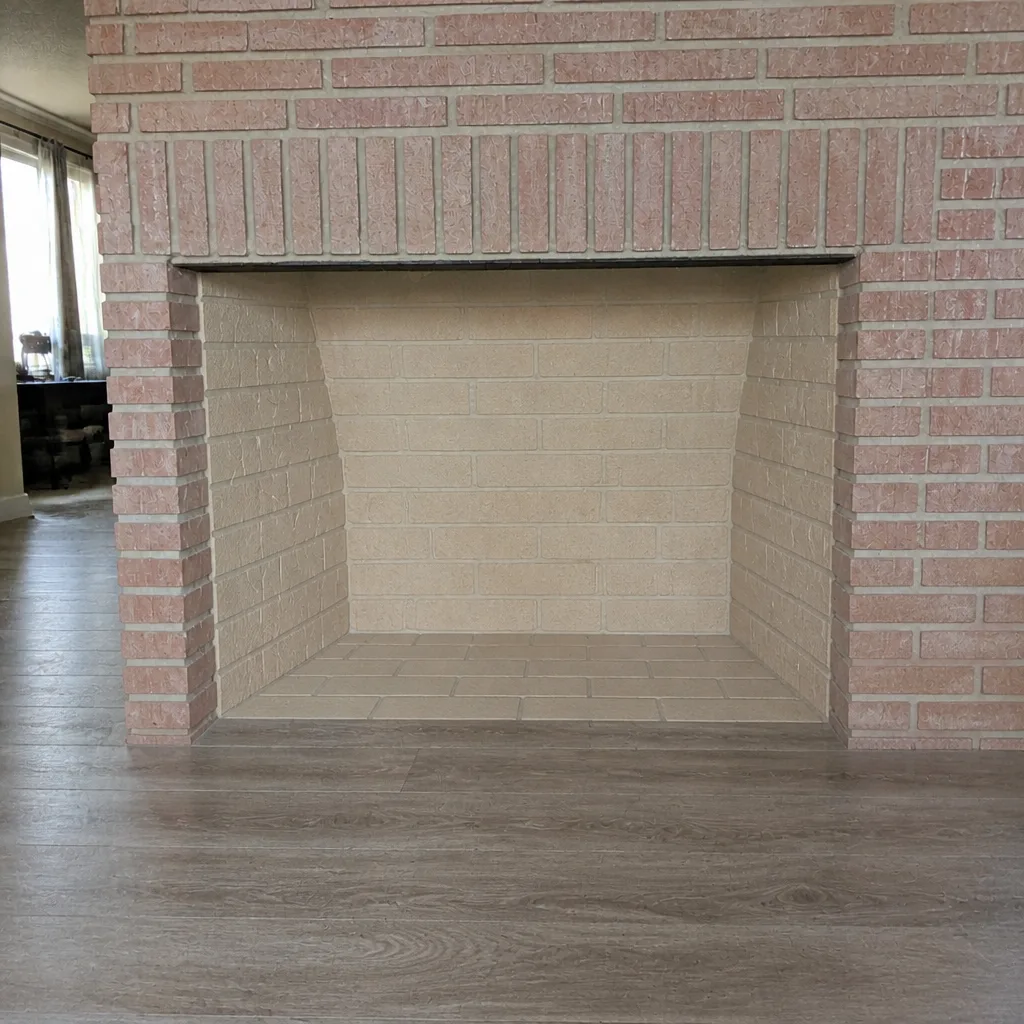
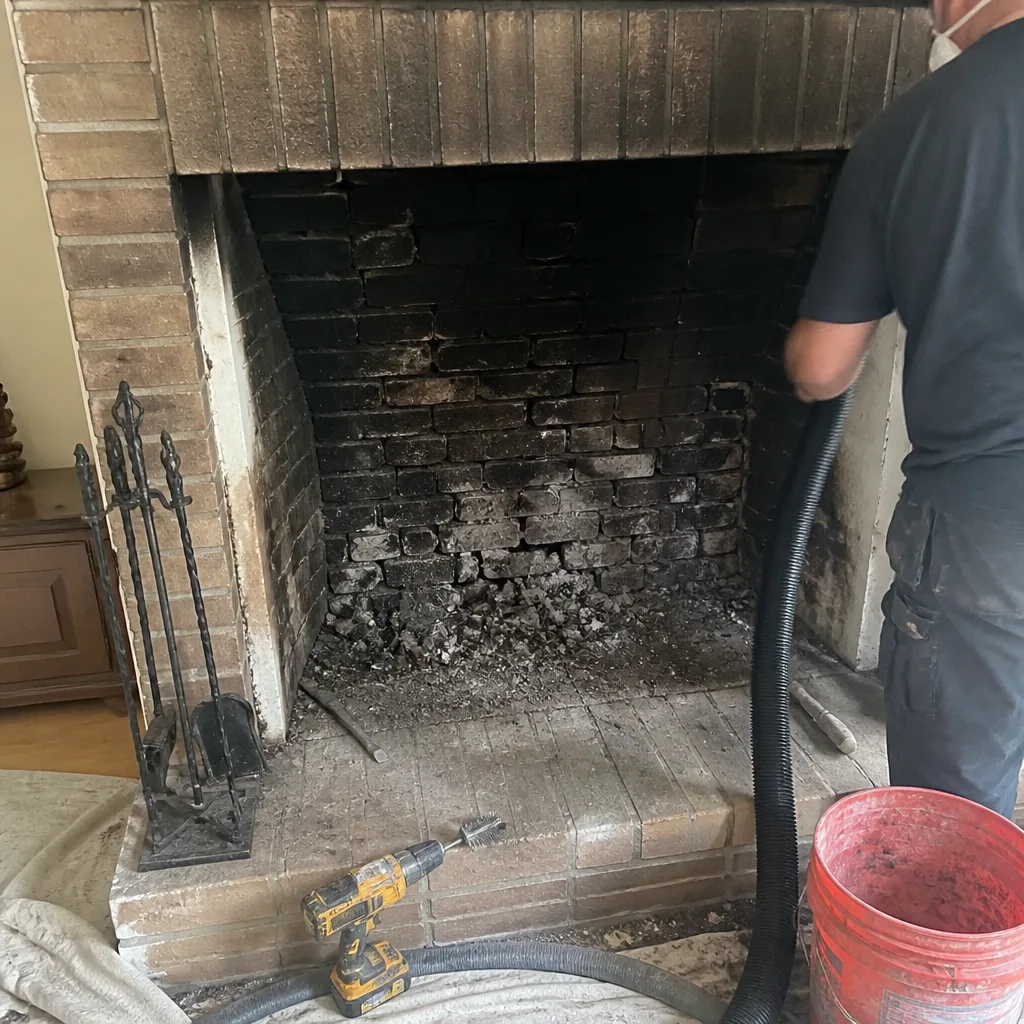
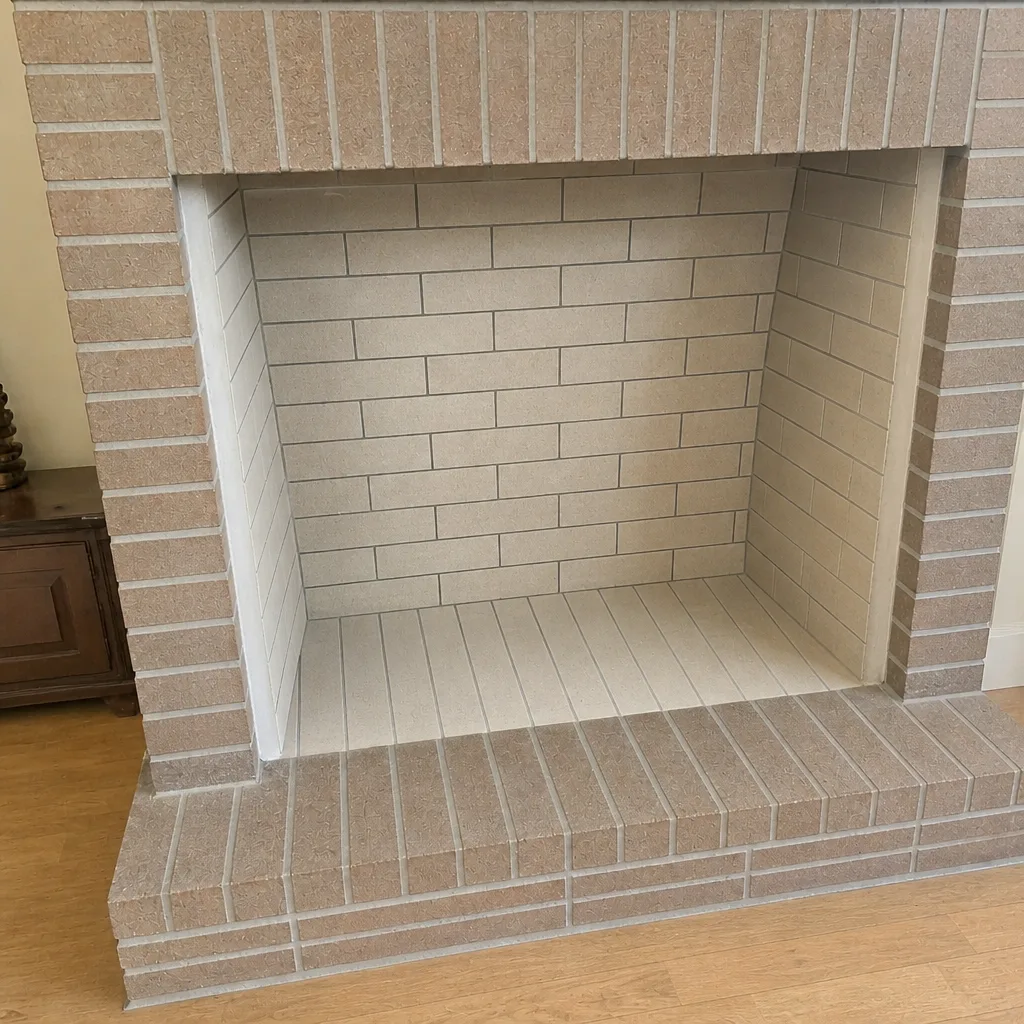
See the difference
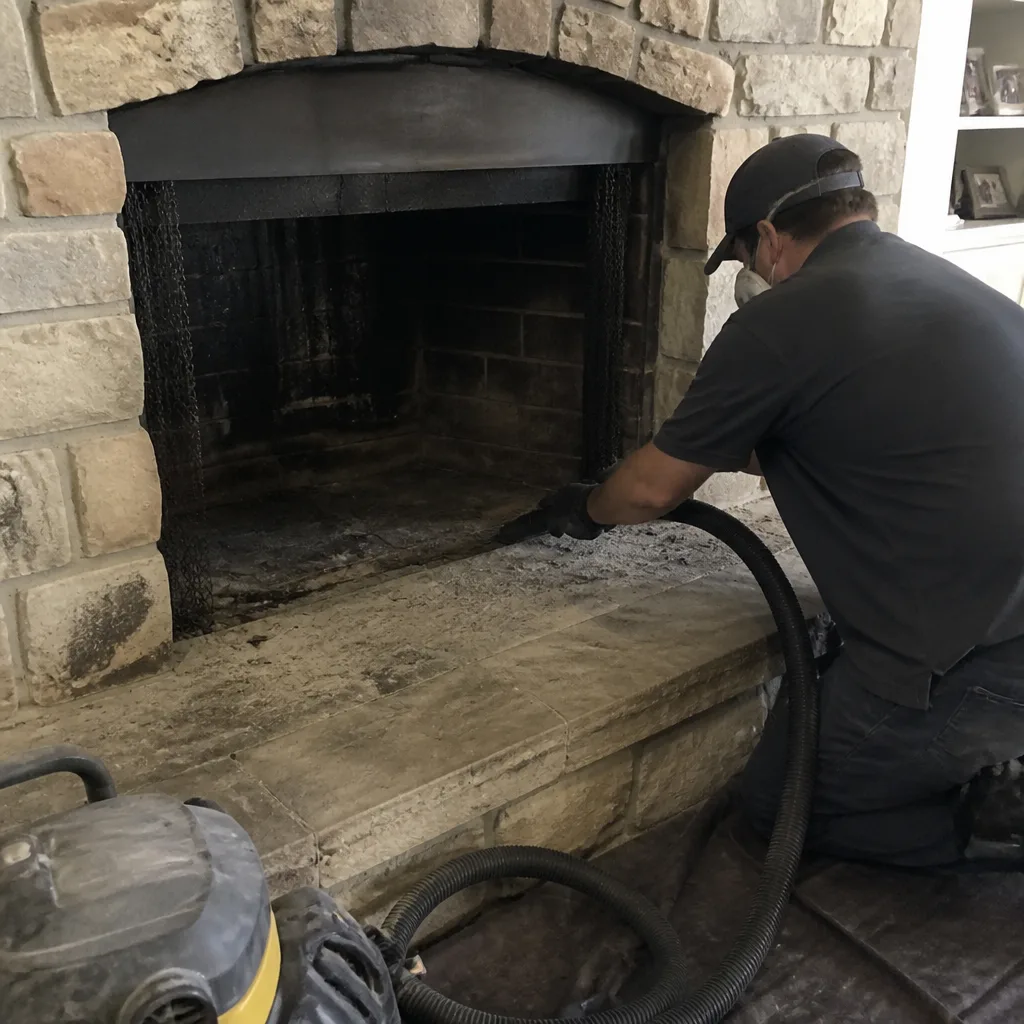 Before
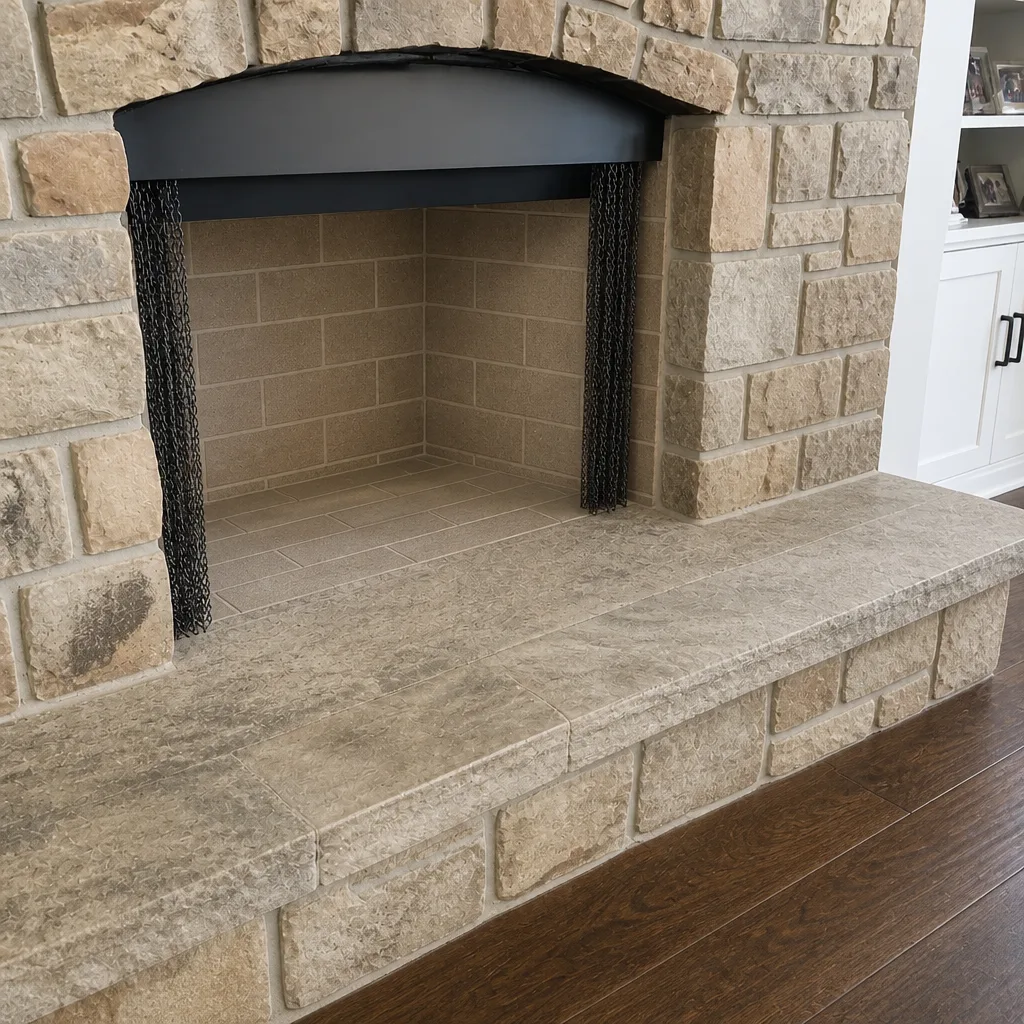 After
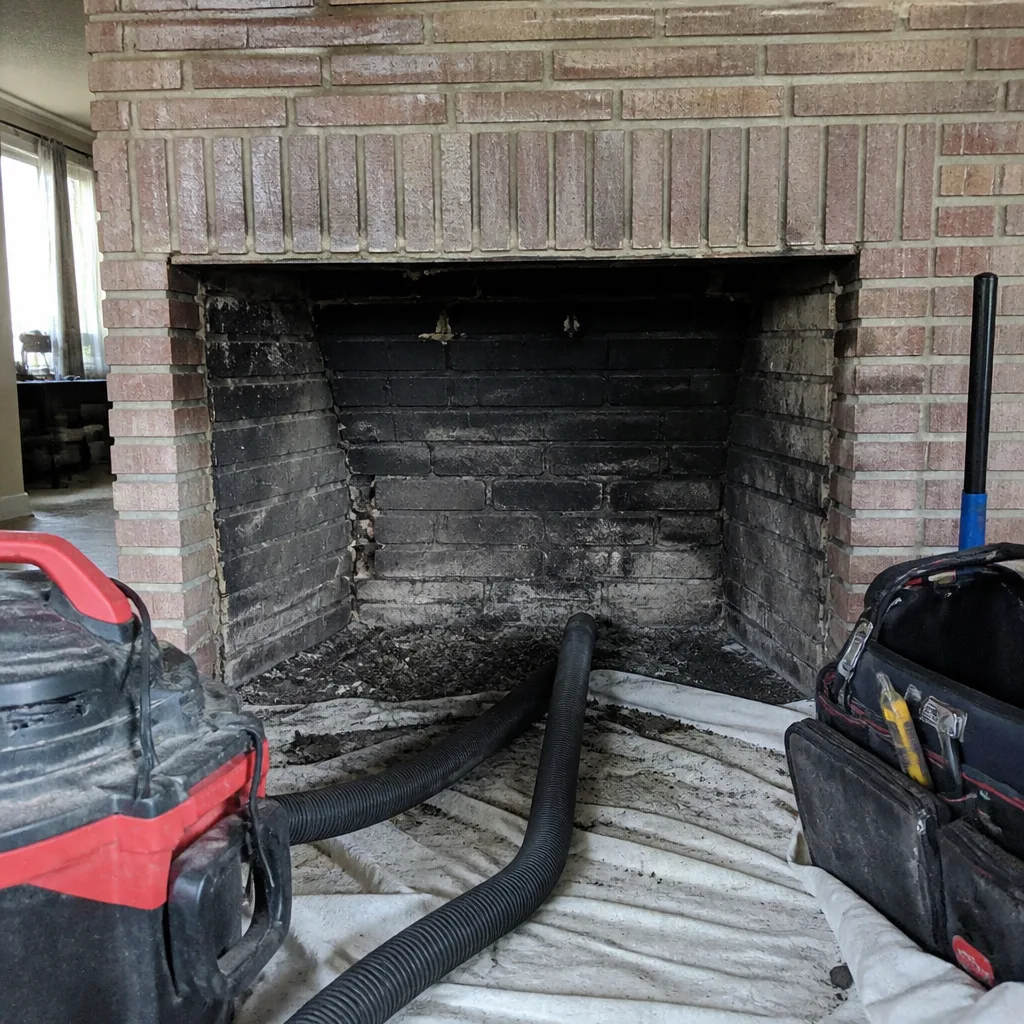 Before
 After
 Before
 After
When to Call a Professional
Some chimney problems can wait a few weeks. Others can’t. Call us if any of these apply: you’ve had a chimney fire, even a small one; a carbon monoxide detector has alarmed and the cause is uncertain; you smell smoke in the house when there’s no fire; you see staining or discoloration on the chimney exterior; a bird or animal is stuck in the flue; or you’ve just moved into a home and don’t know when the fireplace was last inspected. Also call if your chimney hasn’t been inspected in over a year and you plan to use the fireplace this season.
Chimney Sweep Conroe offers free estimates in Conroe. Call (888) 401-8620. We answer 24/7. Fast dispatch from 7am to 7pm, Sunday through Friday.
Frequently Asked Questions
Typical chimney cleaning in the Conroe area runs about $150 to $300, and an inspection with camera documentation usually runs about $100 to $250, depending on access and flue configuration. When both are bundled, most homeowners pay in the $200 to $450 range. The written estimate sets the final price and there’s no charge for the estimate itself. Call (888) 401-8620 for an exact quote – estimates are free.
Yes. A Level 2 inspection is what NFPA 211 calls for before a fireplace is returned to service after a chimney fire, and it’s the only way to see the full interior of the flue with a camera. A Level 1 visual check cannot detect a cracked liner or joint separation inside the chimney. Call (888) 401-8620 to schedule one before you light another fire.
Once a year for most homes, or more often if you burn heavily or notice creosote buildup in the firebox. The inspection and the sweep often happen together, since the camera scan tells the technician whether the flue needs cleaning. Homes that burn regularly through a long season may need an extra cleaning partway through. Call (888) 401-8620 to book yours.
Creosote accumulates in the flue, narrowing it and increasing fire risk. A slow chimney fire can damage the liner without any obvious sign in the house. Carbon monoxide can also back-spill if draft is compromised. None of this announces itself in the way most people expect. Call (888) 401-8620 for an inspection, and the camera will tell you exactly what condition the flue is in.
You can check the chimney cap from the ground, look for cracked or missing brick on the exterior, and test your carbon monoxide detectors. The flue interior requires a camera. Don’t put yourself on a roof or in an attic to investigate a chimney. Call (888) 401-8620 for a professional look at the parts you can’t safely reach.
Ask for the camera footage and still photographs of the flue. Our technicians document every inspection that way and share it with you, so you see what we see before any repair is recommended. If a recommendation comes without evidence, ask for it or get a second opinion. Call (888) 401-8620 for an inspection with photographs you can review yourself.
The Bottom Line
Chimney emergencies start long before the emergency. They start with a missed inspection, a season of wet wood, or a creeping creosote layer nobody looked at. In Conroe, the fires that cause the most damage are the ones that go unnoticed, and carbon monoxide can build without any fire at all. The defense is a preparedness posture: annual inspection, camera documentation, functioning CO detectors, dry wood, and a fireplace that gets a Level 2 look after any suspected fire. None of that is dramatic, and none of it costs what a liner replacement costs. It’s just the habit that keeps your home safe. If you’re not sure where your chimney stands, start there. Know exactly what’s inside your chimney. We inspect it and we fix it, from cleaning to repair to the full documentation in between. The brands chimney professionals specify by name – HeatShield, DuraFlex, Famco, Olympia Chimney – are the materials we work with because the evidence needs to hold up years later, not just on the day of the job.
Ready to schedule an inspection or a cleaning? Call (888) 401-8620 for a free estimate. We answer 24/7. Fast dispatch from 7am to 7pm, Sunday through Friday. For more about our full service range, see Chimney Sweep Conroe, our chimney sweep service, our chimney repair work, and our Conroe service page.
Written by the team at Chimney Sweep Conroe.