
Last updated November 16, 2026
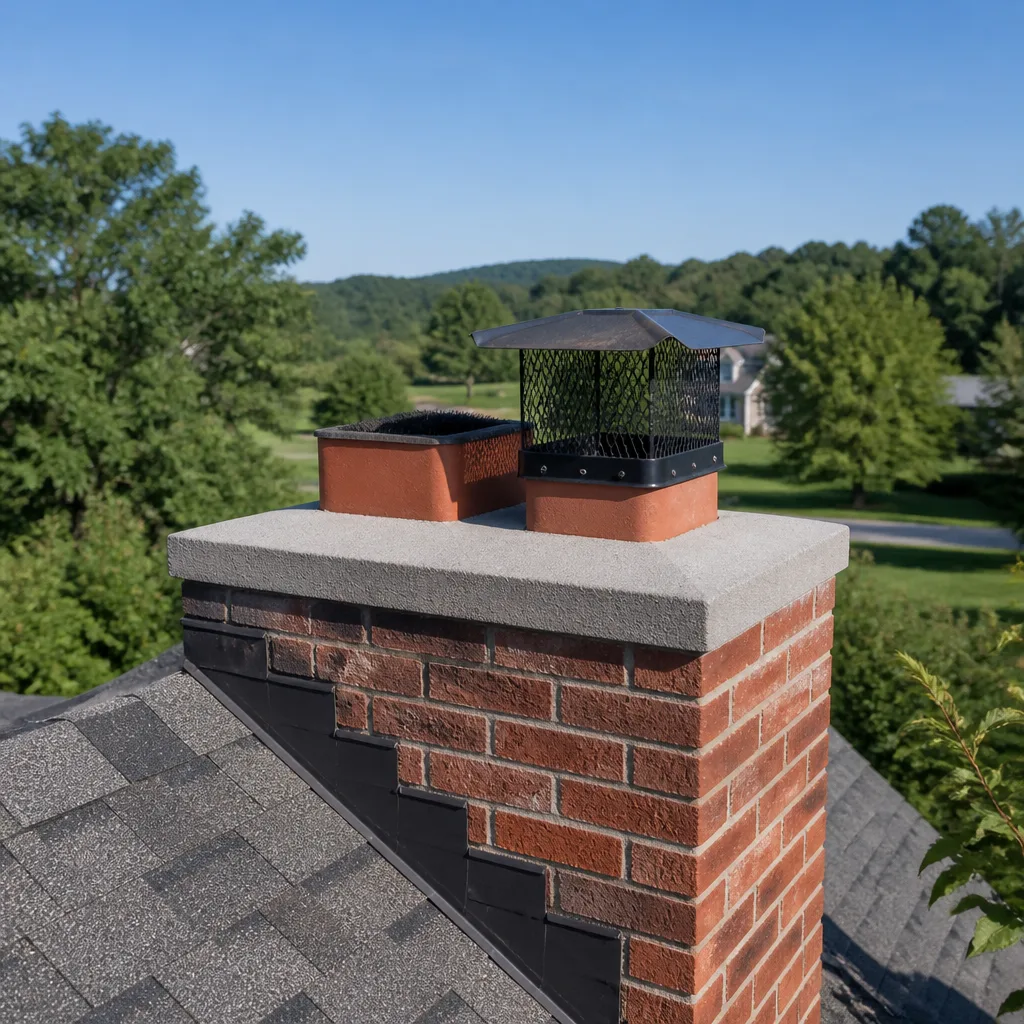 Sweep & inspection
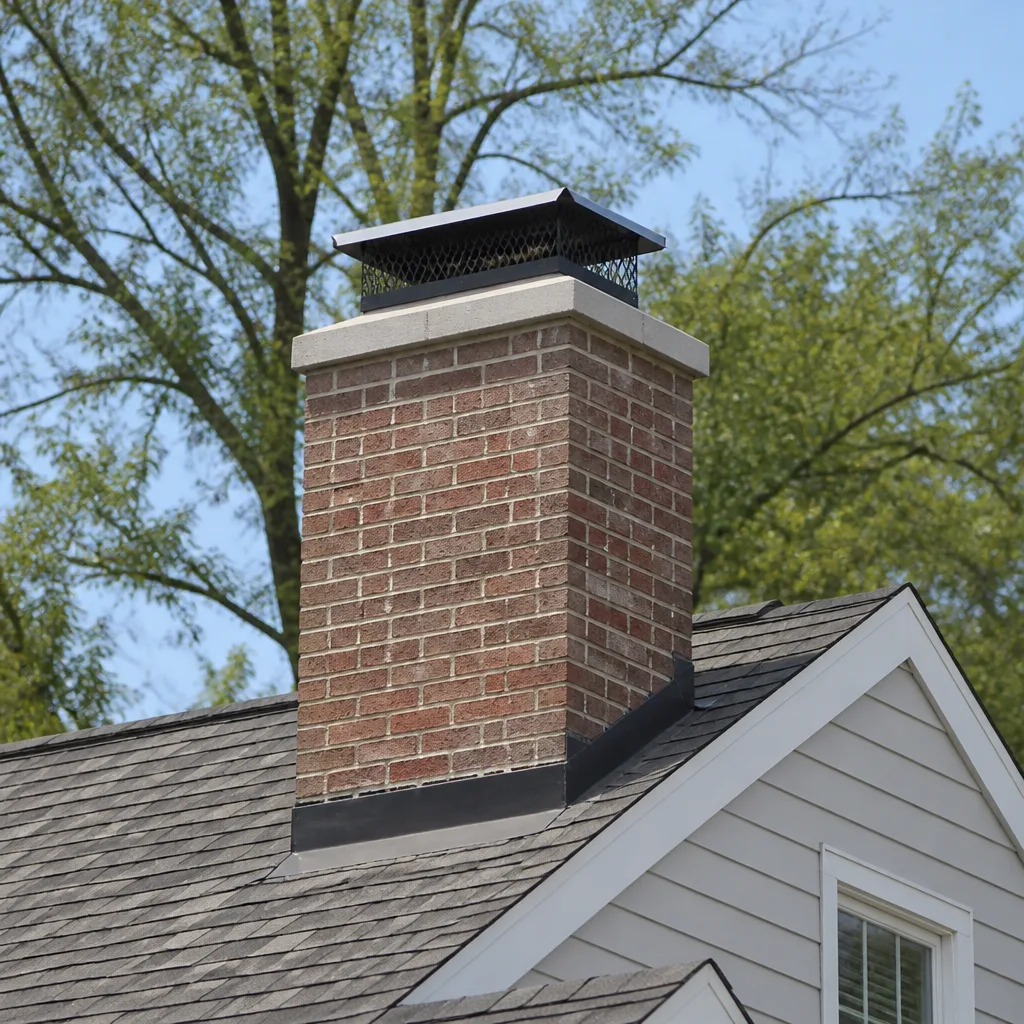 Caps & crowns
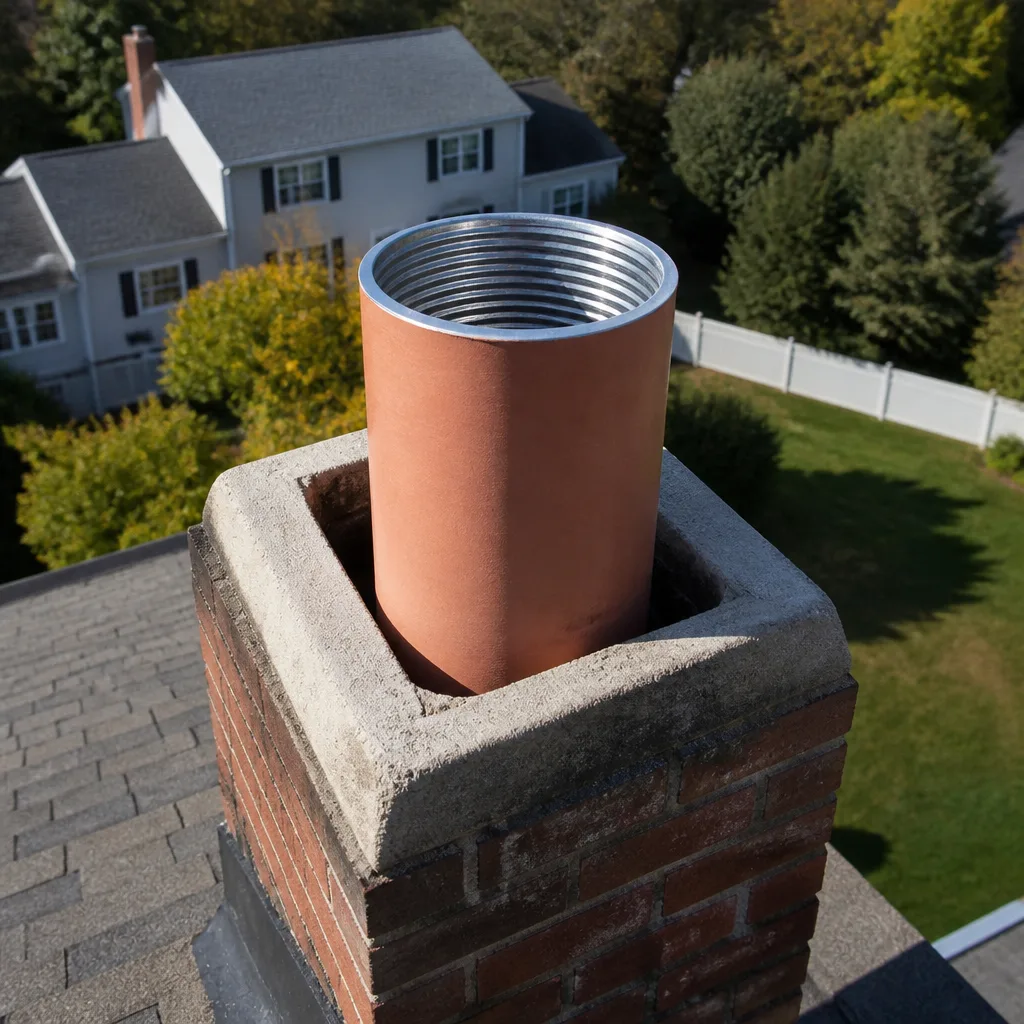 Flue relining
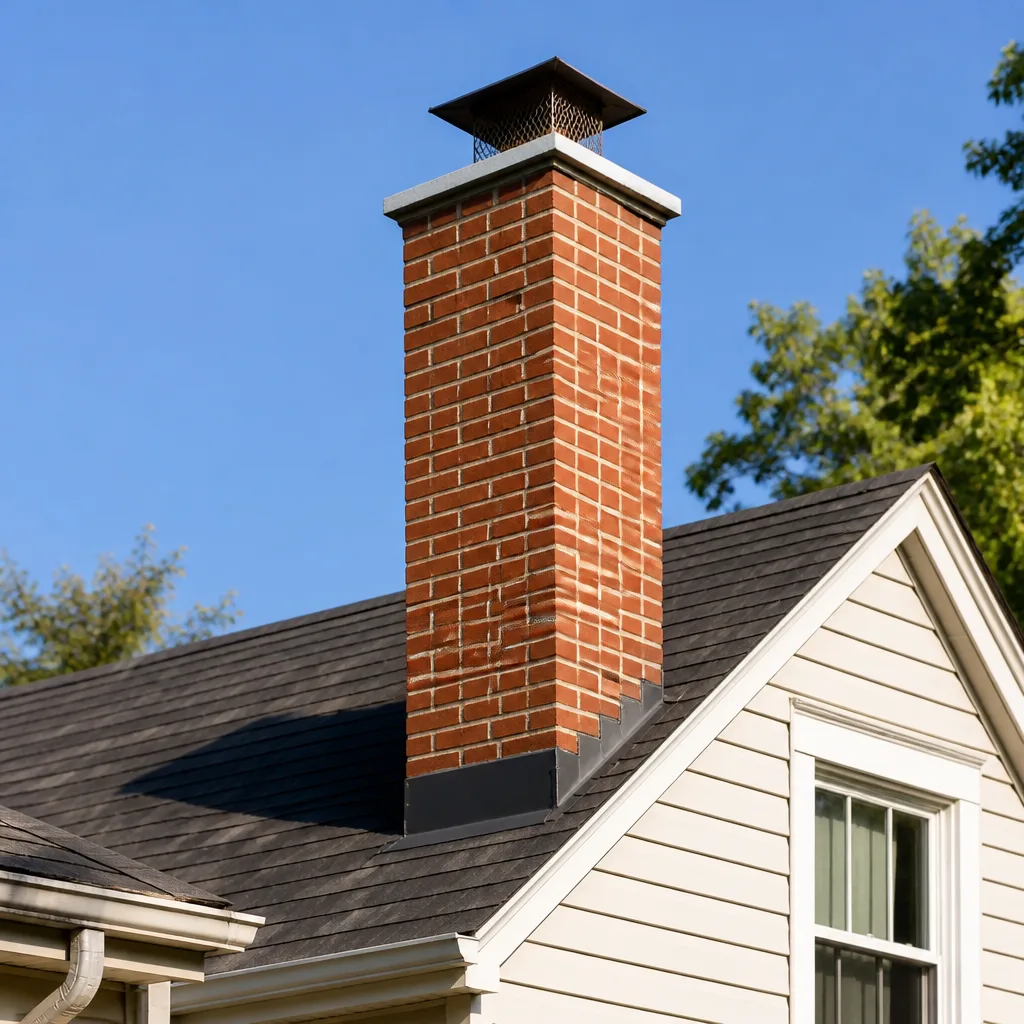 Masonry repair
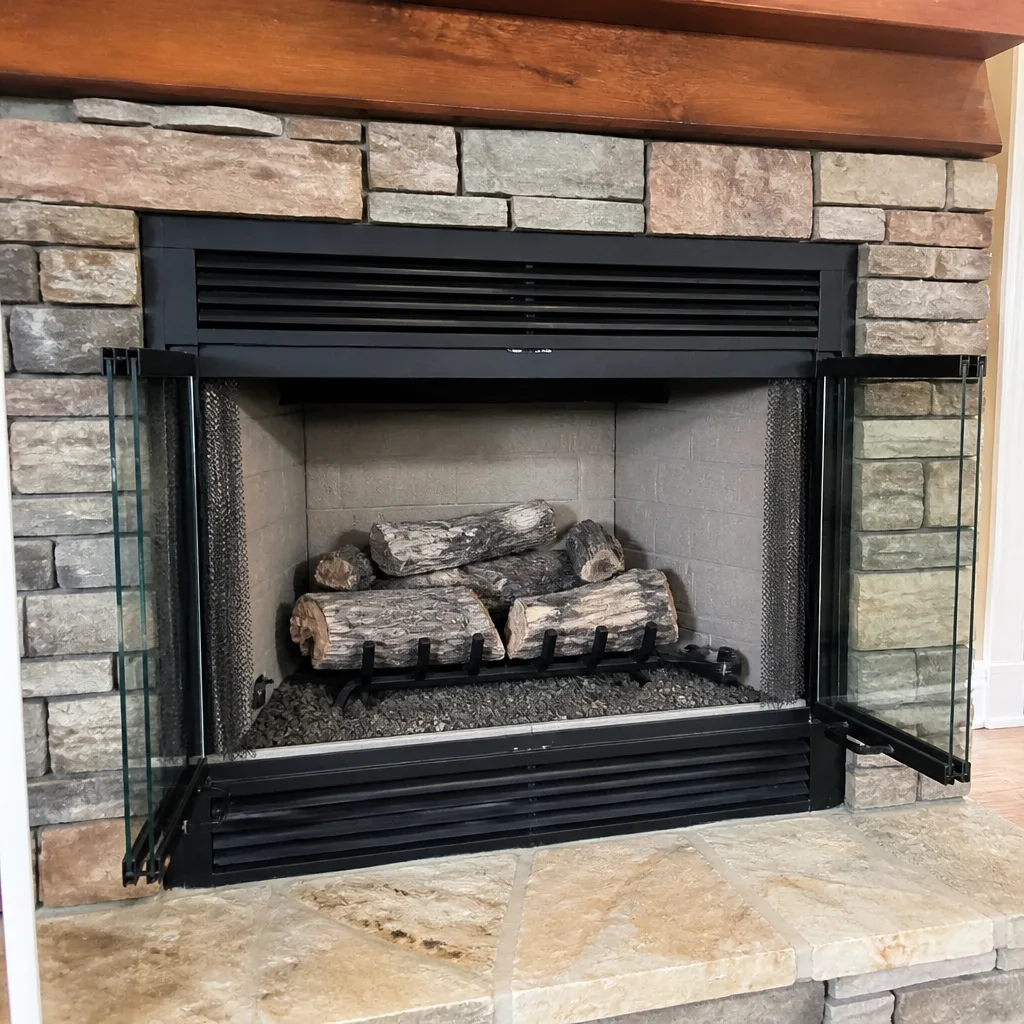 Gas fireplace service
Level 1 sweep and inspection to the NFPA 211 annual standard - flue, crown, cap, and flashing checked and photographed
Chimney sweep logs do not sweep chimneys. They loosen some creosote - which then falls where a brush and vacuum still have to collect it.
Seasonal Chimney Cleaning Care for Conroe: Year-Round Homeowner’s Guide
Telling a Conroe homeowner to schedule their sweep in October is like telling them to winterize a boat they only take out three weekends a year. The timing advice is borrowed from a different climate, and it doesn’t fit how fireplaces here actually get used. Conroe winters are short and mild, which means most fireplaces burn hard for a small window and sit idle the rest of the year. The real chimney risks in this corner of Texas show up in May, June, and July, not in the weeks before the first cold front, and the standard calendar leaves homeowners looking the wrong way at the wrong time. In this guide we rebuild the schedule around what actually happens here, month by month.
Quick Answer
The best time to clean a chimney in Conroe is typically at the end of the burn season, in March or April, so creosote and soot don’t sit through the humid summer. The best time to inspect is right after spring storms pass, in May or June, before the structure goes untested through hurricane season. Fall is for a quick pre-burn check, not the heavy cleaning work most homeowners think belongs there. A sweep, a repair, and an inspection are the three tools that keep a flue safe, and we handle all three.
Styles & brands we work with
- Sweep & inspection
- Caps & crowns
- Flue relining
- Masonry repair
- Gas fireplace service
Table of Contents
- Why Conroe’s Chimney Calendar Doesn’t Match the Standard Advice
- Why Post-Spring-Storm Inspection Beats Pre-Winter Prep
- What a Hot, Humid Summer Does Inside an Uncleaned Flue
- The Case for March Cleaning Over Fall Cleaning
- How Storm Season Affects Caps, Crowns, and Flashing Before Any Fire Is Lit
- How Conroe Housing Shapes the Work
- A Month-by-Month Reference Built for This Climate
- What a Proper Sweep and Inspection Involves
Why Conroe’s Chimney Calendar Doesn’t Match the Standard Advice
Most chimney care advice you find online was written for climates with long, cold winters and heavy snow. It assumes the fireplace runs several months of the year and the chimney gets cleaned once, right before the first freeze. None of that describes Conroe. The burn season here is short. A fireplace might see regular use from December through February and then very little, or none, for the rest of the year. That changes everything about when the work should happen.
When a flue sits idle for eight or nine months in warm, humid air, deposits that would freeze and stay put in a cold climate instead get a long chance to sit, absorb moisture, and change. Summer in Conroe is long, hot, and humid. That’s the season that works on your chimney, quietly, while you’re not using it. The cleanup and inspection calendar rarely lines up with the northern schedule.
For homeowners in Conroe, the practical result is this: the biggest maintenance window is in spring and early summer, not autumn. Waiting until October means the flue has spent a full humid season in whatever condition it was left after the last fire. The smarter approach fronts the work to the end of the burn season and uses a second visit to check the structure after spring storms pass.
If you’re early in figuring out how often your own fireplace needs attention, start with the basics of a chimney sweep, then build the calendar around your actual burn habits. Every home is different. The schedule below explains the reasoning so you can adjust it to how you live.
Why Post-Spring-Storm Inspection Beats Pre-Winter Prep
Southeast Texas storms arrive in bursts, and Conroe sits in the path of plenty of them. Spring storms can bring wind, rain, and pressure swings that test a chimney’s exterior long before autumn. A sweep and inspection done in May or June catches storm damage while there is still a full dry season to plan and complete a repair before the fireplace is used again.
An inspection done right after storm season answers questions you can’t see from the living room:
- Does the cap still sit square, or did wind lift or bend it?
- Is the crown cracked, which allows water in?
- Is the flashing tight where the chimney meets the roof line?
- Did debris land on top of the chimney, blocking the flue opening?
- Is the liner still whole, or did a fall of loose masonry disturb it?
Timing the inspection at this point in the year also allows the repair to happen on your schedule, not in a rush at the first cold snap. If a cap needs replacing, a crown needs sealing, or a liner needs renewed, you have time. Leaving that discovery until October means a scramble. The whole reason a post-spring inspection is more useful here is that it gives you more room to act on the findings.
Insurers and inspectors aren’t the only ones who care about exterior condition. Anticipating what happens in a storm and accounting for it beforehand is the work. For anything beyond the visible exterior, a proper inspection with a camera and a photo report shows you the interior state, from crown to flue to firebox, so nothing stays hidden.
What a Hot, Humid Summer Does Inside an Uncleaned Flue
Leaving creosote in a flue over a hot, humid Conroe summer is not a neutral choice. Creosote is the tar-like residue left from burning wood, and it changes over the summer months in ways a cold-climate calendar never has to think about. The deposits absorb moisture from warm, damp air. Certain glazed creosote can soften, then harden again as conditions swing, which can leave the flue surface in worse shape than it was in the spring.
More important for safety is the state the flue is in when you want to light the first fire in the fall. A flue that still holds last season’s deposits is a flue that will burn hotter and faster when new fires are added to the mix. That’s the crux of the misapplied advice: cleaning before the first use sounds prudent, but it means the same deposits baked in over a whole summer stay in place, ready for the first fire of the year.
In our experience, a cleaning done at the end of the burn season is what most Conroe fireplaces actually need. Then a summer free of soot and creosote means the flue sits clean through the humid months. When fall arrives, only a light check is required. Chemical deposits, moisture damage, and loose mortar can also be caught then, well before they turn into a safety issue.
Homes with less airflow
Chimneys on quiet interior fireplaces in tight, well-sealed homes can also see a slow buildup of moisture because there’s little air moving through the stack. If your home has added a high-efficiency envelope in recent years, the whole system may need a closer look at the same time as the family room fireplace.
One more piece of the puzzle: older fireplaces in Conroe with damaged fireboxes or cracked mortar can let humid air draw into the masonry itself. A HeatShield resurfacing of the chimney can be part of what we recommend when the inspection shows it’s needed. You should only hear that recommendation alongside clear photo evidence of the issue, which we provide.
The Case for March Cleaning Over Fall Cleaning
A March cleaning after the last fire of the season is, for most low-use Conroe fireplaces, the single best-timed service of the year. Here’s why. By March, all the creosote the season produced is in the flue, and none of it has had to sit through heat and humidity yet. Getting it out before the humid season begins means the chimney spends the summer in a clean state. It also means you’re not carrying the season’s soot into the fall.
The alternative, a fall cleaning, has real downsides in this climate. Fall cleaning assumes the chimney sat clean through the summer. In a warm, humid place like Conroe, that’s the opposite of what happens. The deposits from the last burn season have been reacting with moisture and heat all summer by the time a fall sweep arrives.
A March cleaning also positions the rest of the year’s work. If the sweep uncovers a problem, there’s room to schedule a repair and get it done well before burning season. That timeline only works if the cleaning happens early.
When fall cleaning still makes sense
If you didn’t get a spring cleaning done, a fall sweep is still far better than no sweep. The point isn’t that fall cleaning is wrong, it’s that spring cleaning is more effective in this climate, and Conroe homeowners who plan the year around it spend less time chasing problems. A fall visit is also a good time for a visual check before the first fire, especially if the chimney sat through a storm-heavy summer.
How Storm Season Affects Caps, Crowns, and Flashing Before Any Fire Is Lit
Hurricane season runs June through November, and while Conroe is inland, these storms still bring wind, driving rain, and rapid pressure changes. Your chimney’s exterior takes the hit long before you ever light a fire. That’s why the roof-level work deserves attention in late spring, before the season picks up.
A chimney cap serves two jobs: it keeps rain and animals out of the flue, and it deflects wind. A wind-lifted or loose cap fails at both. A cracked crown lets water get into the masonry, which is exactly the moisture a chimney can’t afford. Flashing is the seal where the chimney meets the roof, and it’s the first place storm damage shows up. All three are worth a look before storm season rather than after.
When we find a cap or crown problem, the repair often leans on product familiarity. We work with Famco caps and damper components, and Gelco materials for the wider repair scope. We can handle less common mechanical parts as well. The point is to catch the issue early, replace the failing piece properly, and not wait for a fire to reveal it. For structural repairs beyond a simple cap or crown, a full chimney repair scope with the right materials is the way to go, and we’ve built our supply around doing that work.
If a storm does damage the chimney’s exterior, you want that caught before the first fire of the season. After any major wind event, a quick visual check from the ground is sensible. A full inspection gives you the answer at the flue level, not just at the roofline.
How Conroe Housing Shapes the Work
Conroe covers a lot of ground, and what your chimney needs can depend as much on when and where the home was built as on how much you burn. The city has grown quickly, and the housing stock spans older homes closer to downtown and a large run of newer construction. Each type has its own chimney profile.
Older homes around the historic core of Conroe often have masonry chimneys with original clay tile liners. These can hold up well, but they need a careful look after several decades. Cracking in the tile and mortar joints is common with age, and that’s where a HeatShield resurfacing or a DuraFlex liner system comes into play. Those are the products chimney professionals specify by name because they’re designed for exactly this kind of repair.
Newer construction in the fast-growing subdivisions often uses factory-built fireplaces with metal flues. These aren’t maintenance-free, and their inspection needs are specific to the manufacturer’s components. A cap and damper check, plus a flue inspection, will tell you what you’re dealing with. If the home came with a fireplace that has never been inspected, that’s the top priority.
If you’ve recently bought a home around Conroe, start with an inspection before the first fire. You can also look at what the Conroe area offers for a first-time homeowner and get a baseline read on the fireplace. New construction or older home, the answer starts with knowing what’s inside the chimney.
A Month-by-Month Reference Built for This Climate
This reference is set up for Conroe’s seasons, not a northern template. It’s worth glancing at through the year, especially if you’re adjusting the calendar around when you actually burn. Each month’s task tells you what to look for and when to call.
- January and February (peak burning): Burn as you normally would. Keep an eye out for smoky smells in the house or a weak draft, and note anything unusual for the spring sweep. Don’t clean mid-season unless the flue was in poor condition before you started.
- March and April (post-season cleaning): This is the window that matters most. Book the sweep after your last fire. Get the creosote out before the humid season begins. If a repair is going to be needed, this is when you want to know, so it can happen on your schedule.
- May and June (post-spring-storm inspection): Check the cap, crown, and flashing before hurricane season. This is also the point to do the full inspection if you haven’t already. Catching storm-season damage now gives you the whole summer to act.
- July and August (the quiet season): No fire, no fire risk, but the humid air is working on the flue. If you had a March cleaning, you’re fine. If not, this is a good reminder to book a sweep before fall. A quick visual check from the ground costs nothing.
- September and October (prepping for use): Do a visual check of the roofline. If the summer was storm-heavy, an inspection after hurricane season’s peak is worth it. Confirm the flue is clean from the spring. This is not the time for the big cleaning if you skipped it; it’s the time to confirm you’re ready.
- November and December (start of burn season): Light the first fire only after the flue is known to be clean and clear. If you haven’t had a spring sweep, get one now. Watch for a smoky smell or weak draw, and don’t run a fire if you’re unsure about the flue’s condition.
That calendar is the heart of this guide, and it’s different from the borrowed advice that most articles hand out. The main shift is simple: move the cleaning to March, add a post-storm inspection in May or June, and treat autumn as a check rather than the heavy work. Once you have a year of it, the rhythm makes sense.
What a Proper Sweep and Inspection Involves
A sweep removes soot and creosote from the flue. An inspection examines the condition of the entire system: firebox, damper, flue, liner, crown, and cap. They’re complementary, and together they answer the question that actually matters to a homeowner: is this safe to burn? A sweep without an inspection tells you the flue is clean but not whether it’s sound. An inspection without a sweep leaves the deposits sitting there. For a full scope in Conroe, we offer cleaning, repair, and inspection under one company, so the discovery and the fix don’t get split between two different contractors.
A camera inspection is part of how we work. We send a camera up the flue and provide a photo report of what we find. If we recommend a repair, the photos show you why. If the work can safely wait, we tell you that too, because a recommendation you can’t verify is a recommendation you shouldn’t have to accept on faith.
When the inspection does call for work, the material matters. We install HeatShield for chimney and liner resurfacing and DuraFlex liner systems for relining, and we draw on Olympia Chimney and Gelco for the broader repair supply chain. Famco covers dampers and caps, the mechanical and weatherproofing pieces that many sweeps don’t address. We stand behind these products because they’re the ones professionals specify by name, not substitute parts. That’s the standard we work to when the work involves your chimney.
Common Mistakes to Avoid
- Following a northern chimney calendar in Conroe. Don’t schedule the big cleaning for October just because that’s what most articles say. In this climate, the useful time is at the end of burn season, in March. A fall sweep on a flue that sat through a humid summer is more work for less benefit.
- Skipping the inspection because you got a sweep. Cleaning and inspection answer different questions. A clean flue can still have a cracked crown, a loose cap, or a damaged liner. You want both, and a camera photo report is how you know what’s really there.
- Leaving creosote in the flue over the summer. The hot, humid months are exactly when deposits with moisture react and change. Cleaning before summer means the flue sits clean rather than sitting with last season’s soot all through the wet part of the year.
- Ignoring the roofline after a storm. Hurricane season brings wind and rain to Conroe, and the cap, crown, and flashing take the hit first. A quick look after a major wind event can catch a problem before it turns into a leak or a blocked flue.
- Assuming a newer home means a safe fireplace. A factory-built flue still needs inspection, and an uninspected fireplace in a recently purchased home should be looked at before the first fire. The age of the house tells you nothing about the state of the flue.
- Burning without checking the flue’s condition. If you don’t know whether the flue is clean and clear, don’t light the first fire on the assumption it’s fine. An inspection settles the question.
- Skipping the sweep because the fireplace was “only used a few times.” Even light use leaves deposits, and the state of the flue at the start of the season is what matters. A February cleanup matters even for an occasional fireplace.
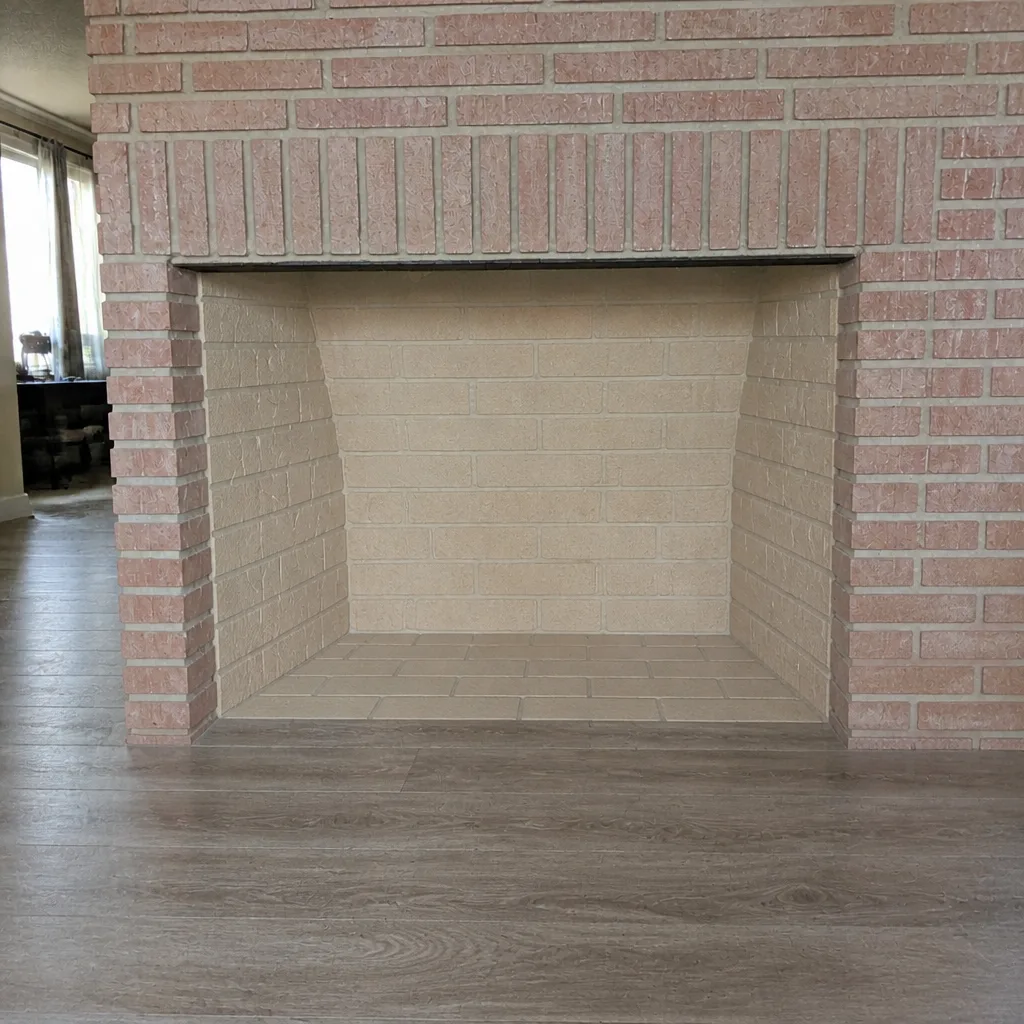
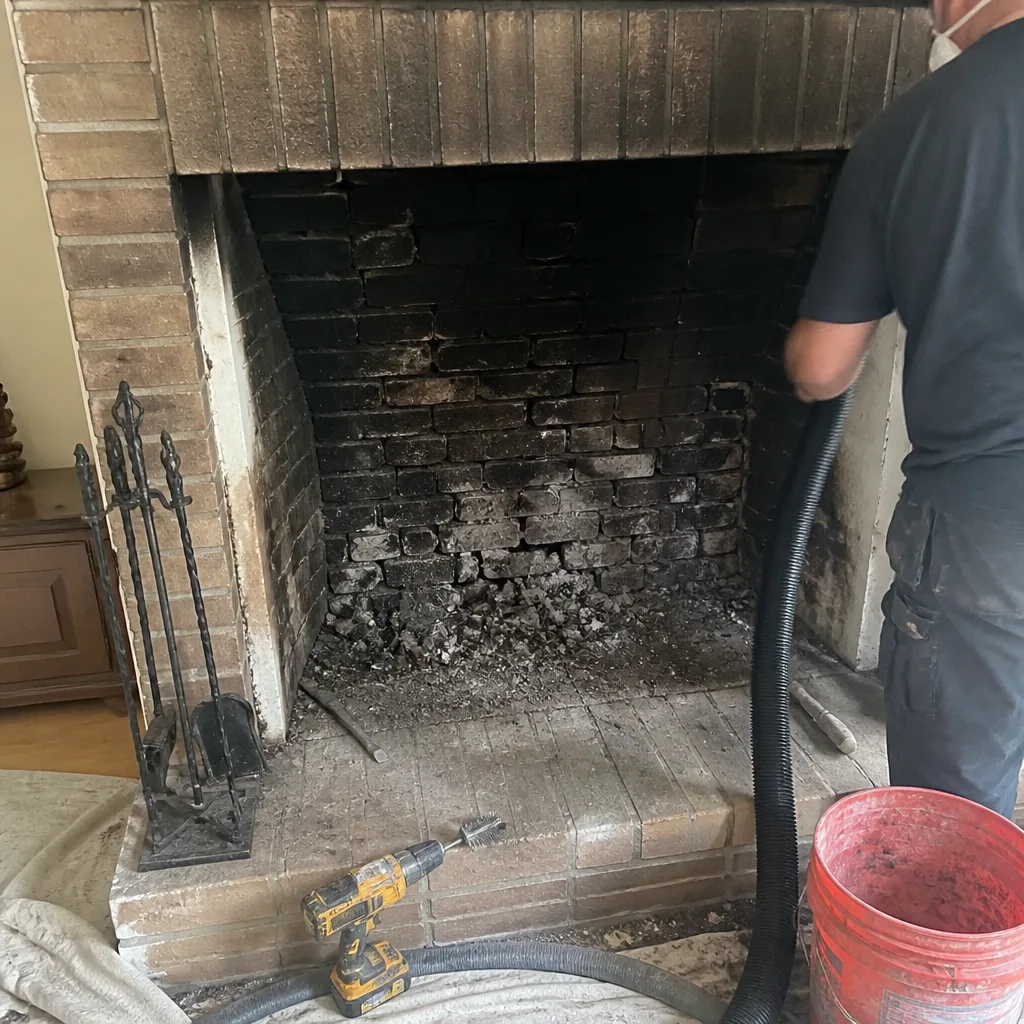
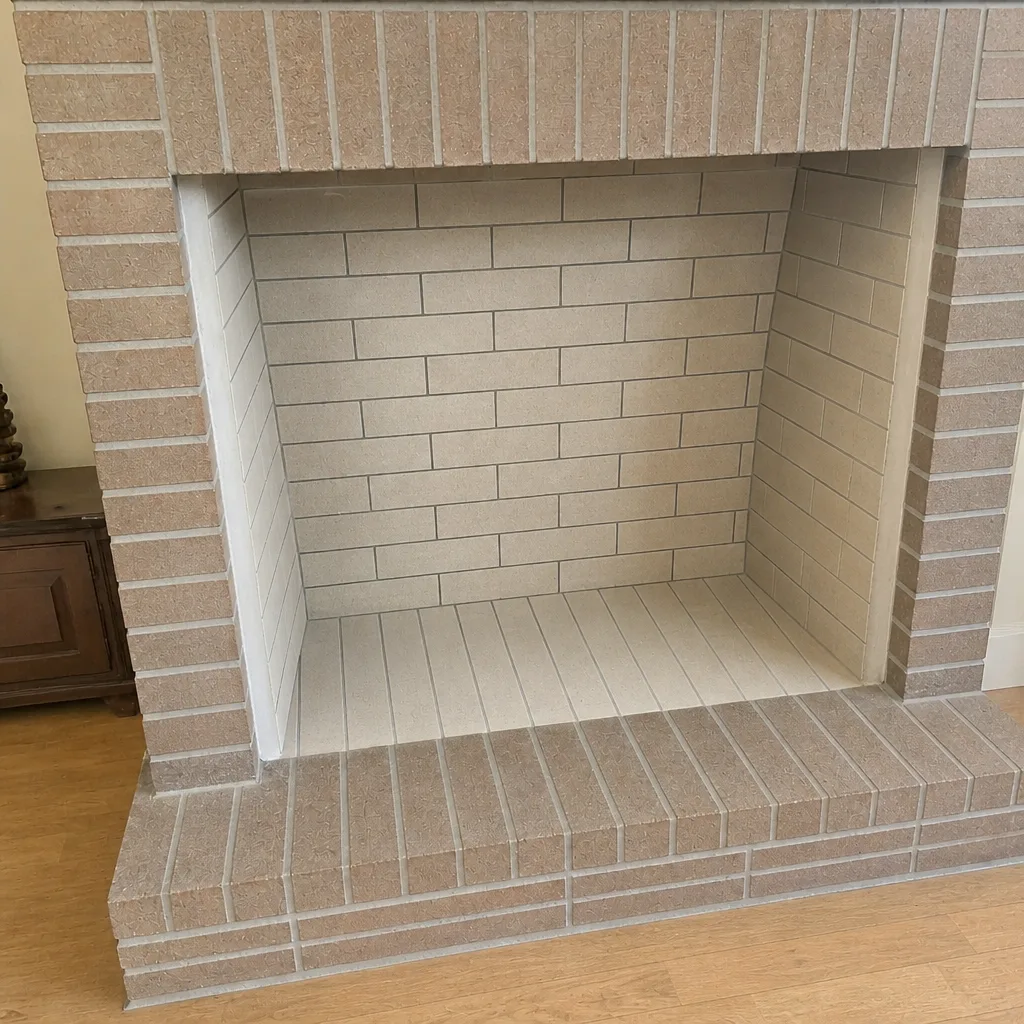
See the difference
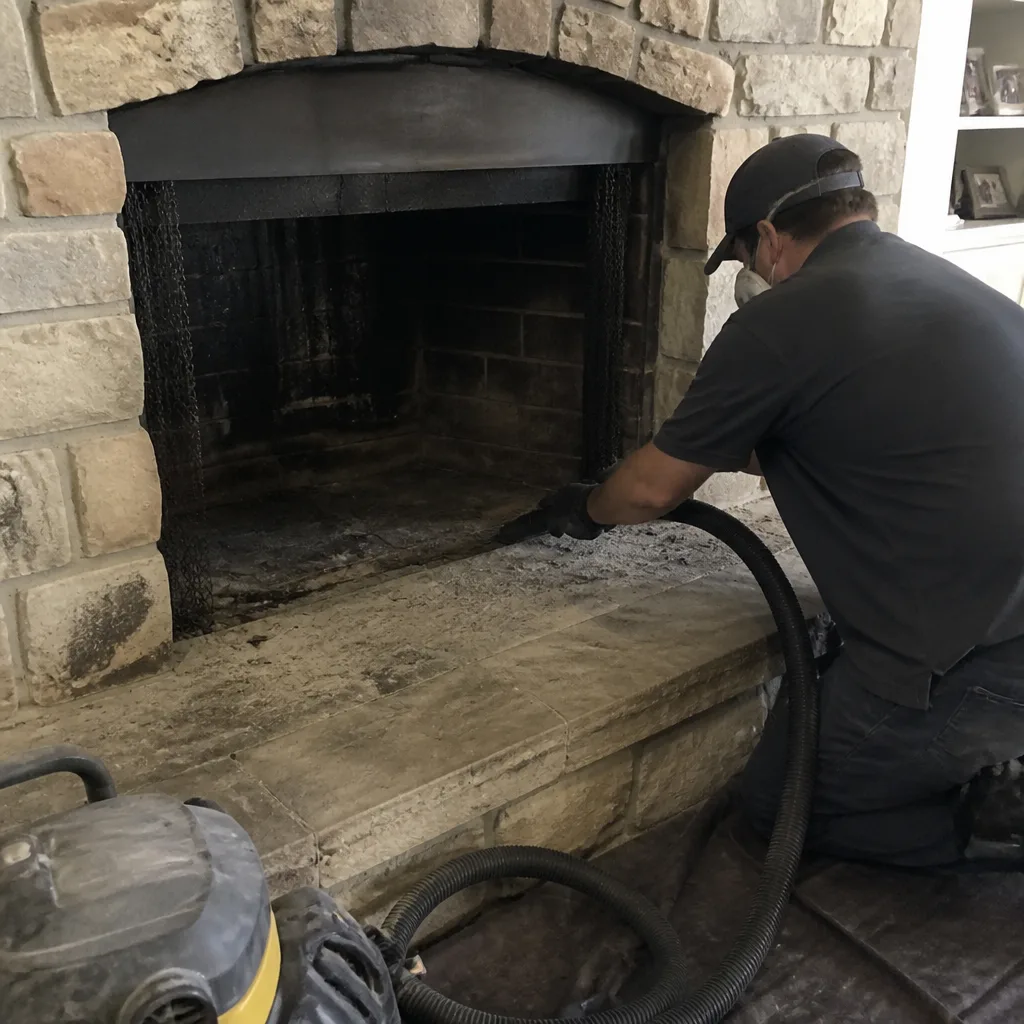 Before
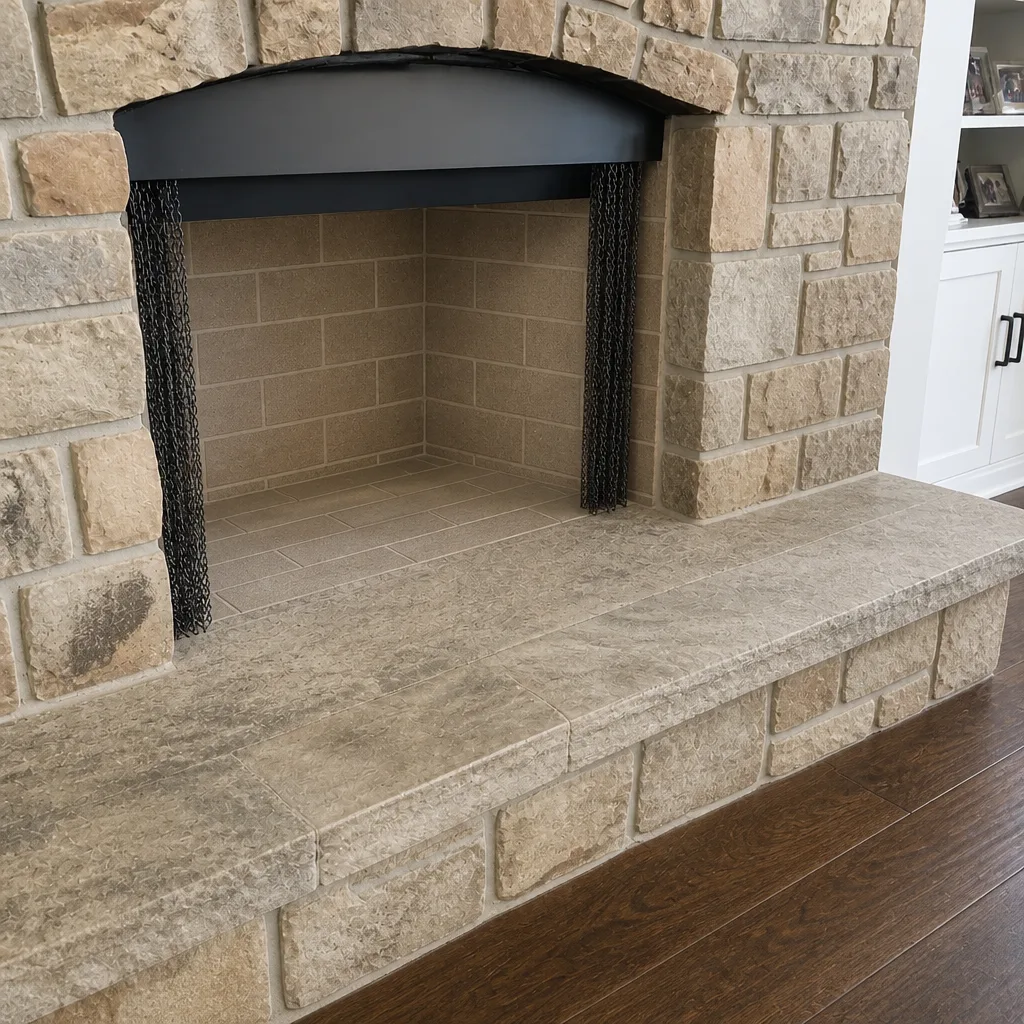 After
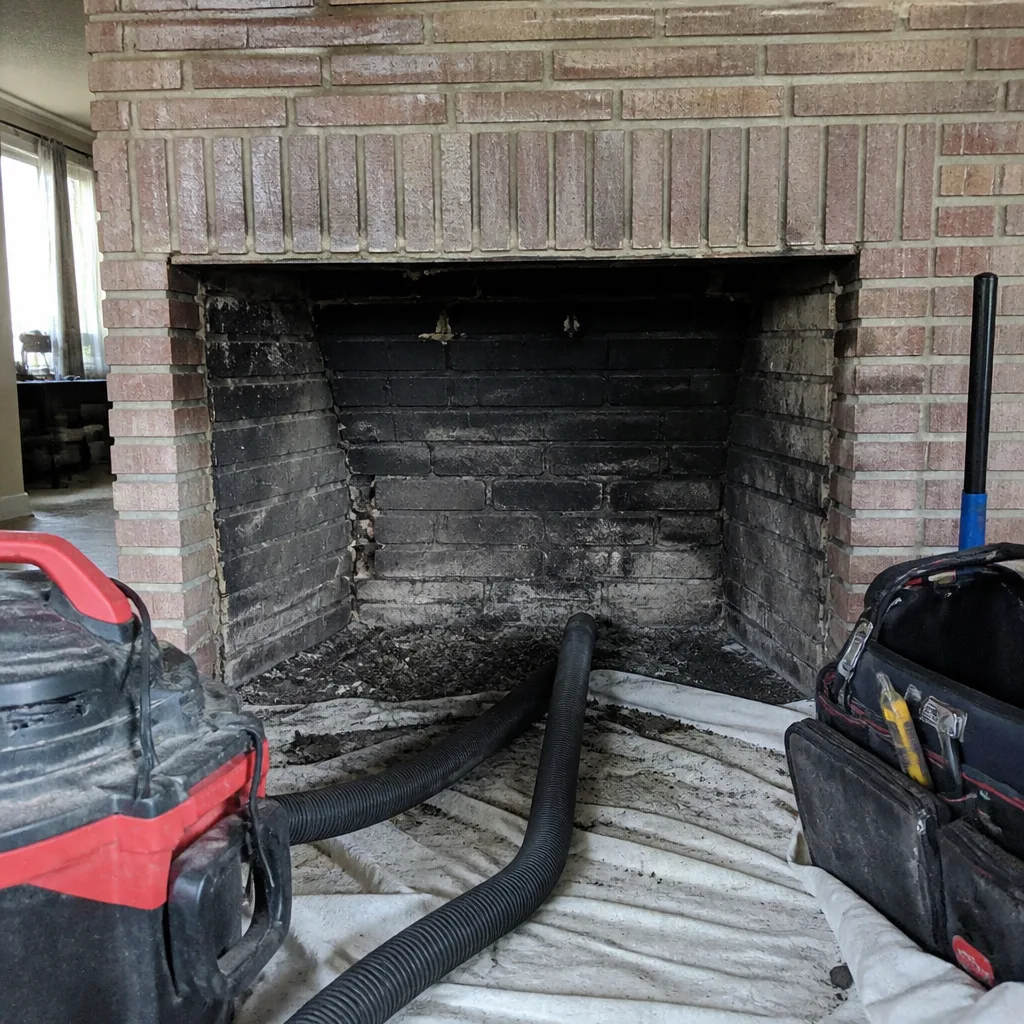 Before
 After
 Before
 After
When to Call a Professional
Some chimney work is straightforward and safe, and some calls for a trained professional without delay. If you notice a smoky smell inside the house while or after burning, a weak or uneven draft, visible loose masonry, water staining around the chimney, or a cap that looks off after a storm, that’s a call. High-tension components, structural masonry, and anything involving the flue interior are not jobs to tackle on your own. A damaged liner or a cracked crown is a genuine risk, and it’s worth having a professional look before you light a fire.
Chimney Sweep Conroe offers free estimates in Conroe, and we answer questions about what your inspection does and doesn’t show. Call (888) 401-8620 to book a sweep, a repair, or an inspection, or to walk through what the report will tell you. Our technicians have up to 13 years of experience, and we’d rather tell you a fireplace is fine than sell you work it doesn’t need.
Frequently Asked Questions
A Conroe fireplace that sees regular winter use generally benefits from one cleaning per burn season, done at the end of the season in March or April. A lightly used fireplace can stretch somewhat, but the flue should still be inspected each year. If you burn heavy wood or the flue is showing buildup, don’t wait. Call (888) 401-8620 for an exact quote; estimates are free.
March is usually the best month for the main sweep, right after the last fire of the season and before the humid summer sets in. A follow-up inspection after spring storms, in May or June, covers the structural side. October is fine for a quick check, but it’s the wrong time for the season’s main cleaning in this climate.
A cleaning and an inspection answer two different questions, and you need both to know your flue is safe. Cleaning removes soot and creosote; inspection finds cracks, loose caps, damaged flashing, and liner problems that a clean flue can hide. A camera inspection with a photo report shows you the evidence, so you’re not taking anyone’s word for it.
The flue keeps its creosote, and in Conroe’s humid summer that residue sits in warm, damp air for months rather than a cold, dry season. It means the flue isn’t clean at the start of the next burning season, and deposits that accumulate over time raise the risk of a chimney fire. Skipping a season isn’t automatic trouble, but the next fire is less safe until it’s swept. Call (888) 401-8620 for a clean flue and a sound liner.
Yes, because the biggest thing humidity affects is creosote and the masonry itself, not the fire. Soot and creosote left in the flue absorb moisture from the warm summer air, and that can change the deposits and stress the liner. A cleaning before summer is the simplest way to keep the flue from sitting in that condition for months.
Catch it in May or June, before the worst of the hurricane season, or as soon as possible after any major wind event. Caps, crowns, and flashing are the parts most exposed to wind and rain, and a damaged cap or a cracked crown lets water into the masonry even if you never light a fire. A post-spring inspection is the best way to catch it in time. Call (888) 401-8620 to schedule one.
The Bottom Line
The whole point of this guide is a simple shift in timing. In Conroe, the useful chimney work happens in spring, not fall. A March cleaning removes the season’s creosote before the humid summer has a chance to work on it. A May or June inspection catches storm damage before hurricane season, with time to get a repair scheduled. Fall is the moment for a quick confirmation, not the main event. If you take one thing from this guide, take the calendar. It’s set up for how fireplaces actually get used here, and once the rhythm is in place, the year of chimney care takes care of itself.
If you’d rather start with the full-service route, we handle sweep, repair, and inspection together, so the discovery and the fix stay with one company. For the broader scope, you can see what Chimney Sweep Conroe covers and how the pieces fit at Chimney Sweep Conroe. Our technicians have up to 13 years of experience, and we work with the professional-grade brands that chimney specialists specify by name.
When you’re ready to start, call (888) 401-8620 for a free estimate. We answer 24/7. Fast dispatch from 7am to 7pm, Sunday through Friday. Whether it’s a March sweep, a post-storm inspection, or a repair recommendation you want to understand before you agree to anything, we’ll show you what we found and tell you plainly what can wait.
Written by the team at Chimney Sweep Conroe.