
Last updated November 16, 2026
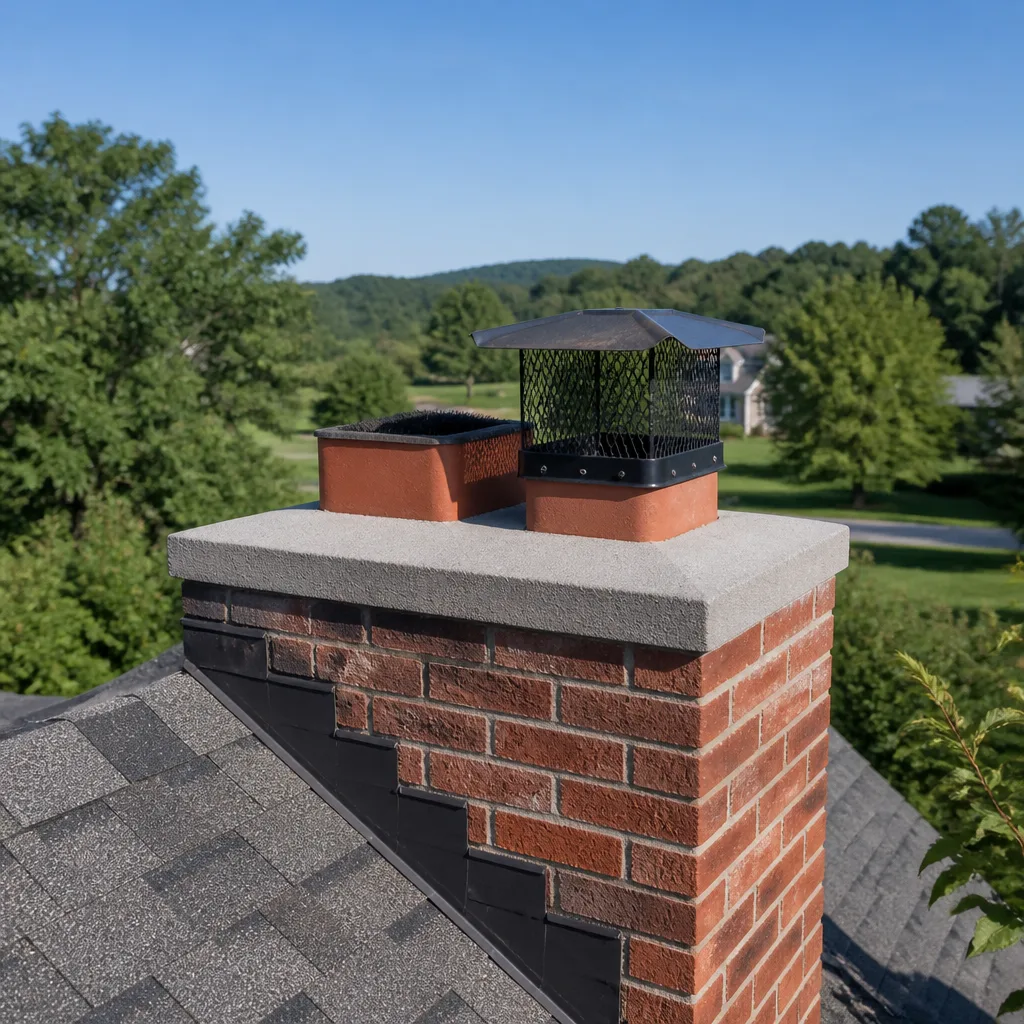 Sweep & inspection
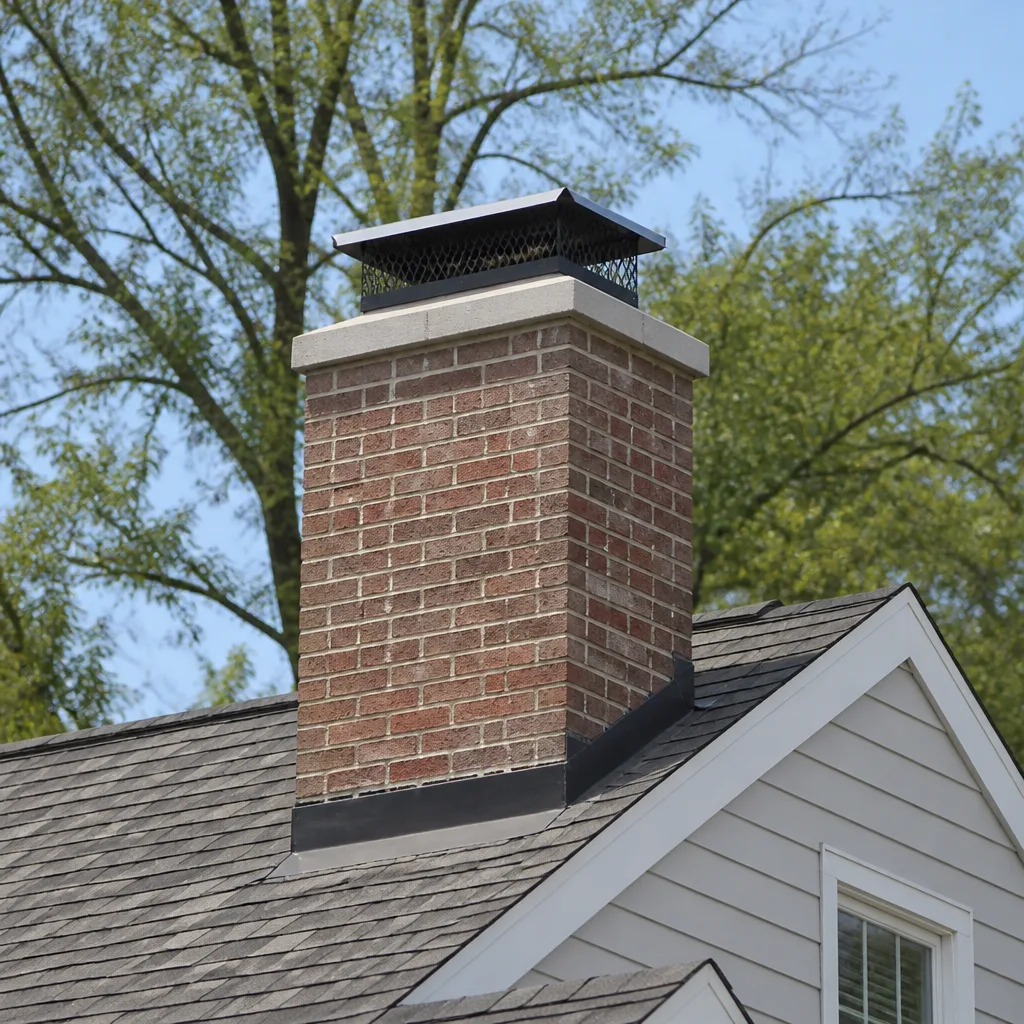 Caps & crowns
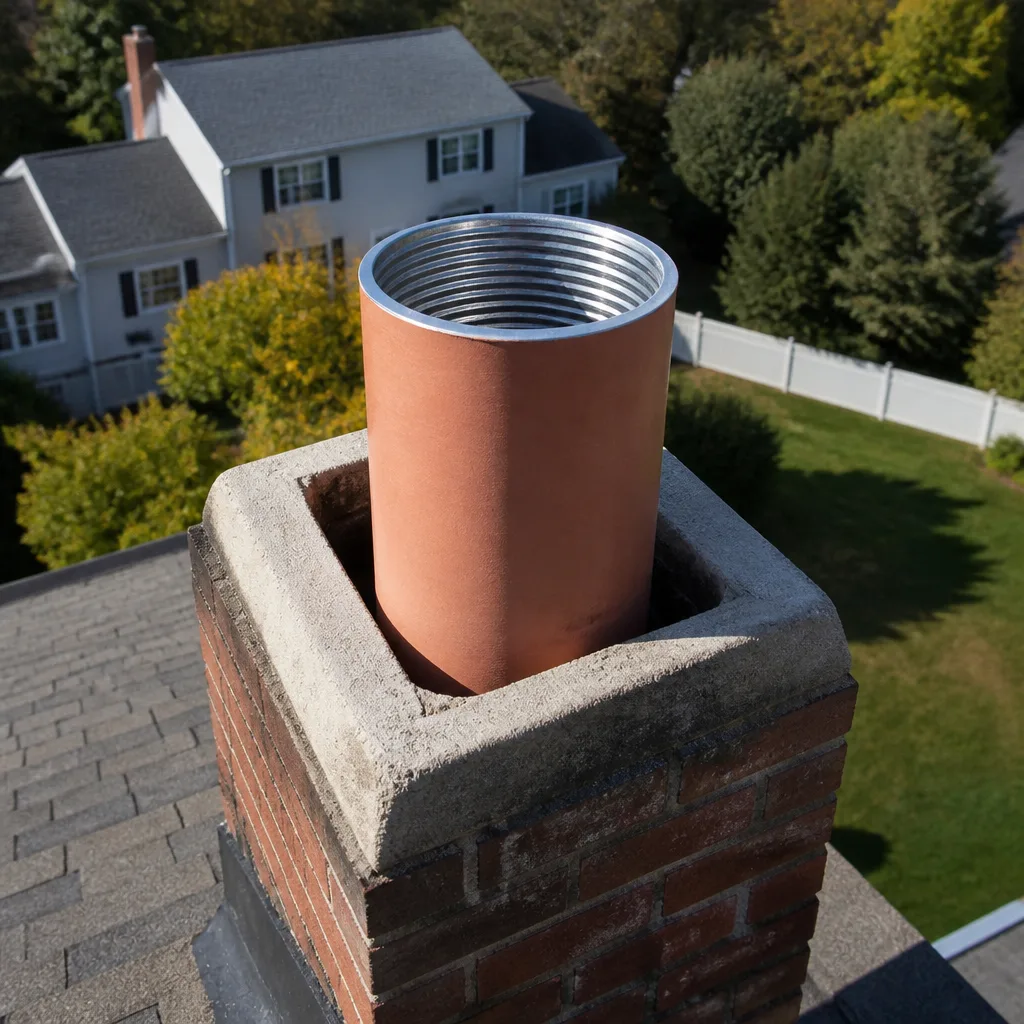 Flue relining
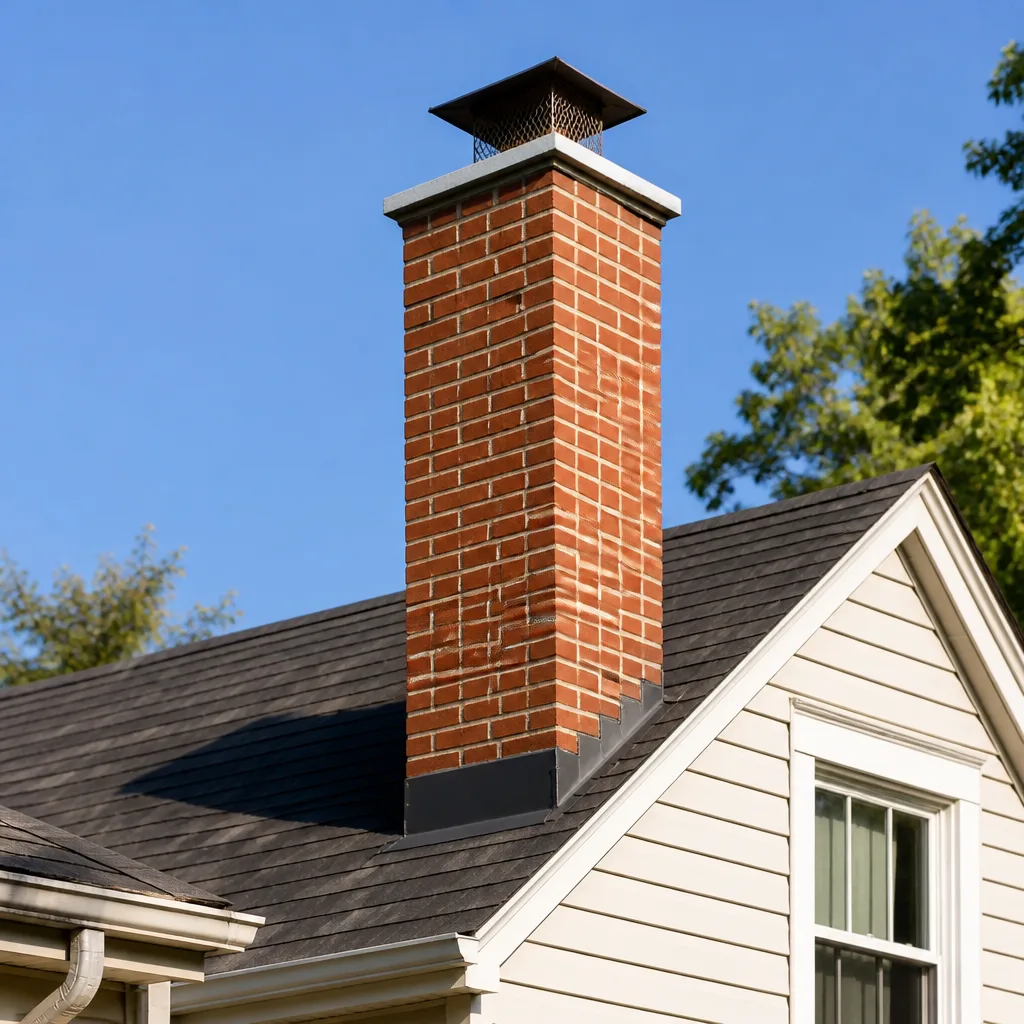 Masonry repair
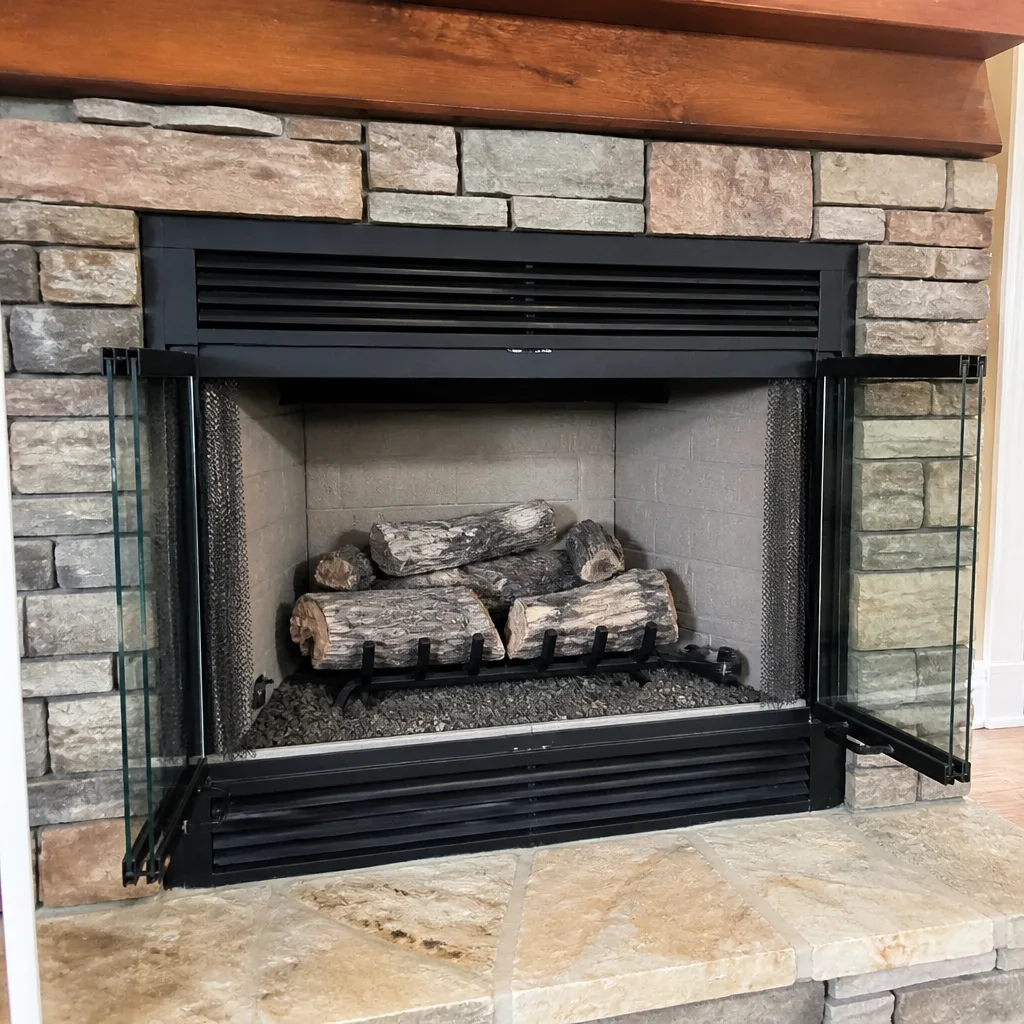 Gas fireplace service
Level 1 sweep and inspection to the NFPA 211 annual standard - flue, crown, cap, and flashing checked and photographed
Chimney sweep logs do not sweep chimneys. They loosen some creosote - which then falls where a brush and vacuum still have to collect it.
The Complete Guide to Chimney Cleaning in Conroe
Most Conroe homeowners light their fireplace fewer than fifteen times a year. You’d think that low usage makes the chimney safer. It usually does the opposite. In our experience, a fireplace that sits idle for months and then burns a few hot fires in December builds glazed creosote faster than one burning steadily all winter, because the warm, humid air that sits in the flue all summer primes the masonry, and that first fire cooks the moisture and soot into a hard, sticky layer. This guide explains how cleaning actually works in Conroe’s climate, what a real sweep covers, and how to tell a proper job from a quick one.
Quick Answer
A professional chimney cleaning in Conroe removes soot, creosote, and debris from the flue and firebox, and it’s usually paired with a Level 1 inspection so you know the liner is sound. Heavy use, a recent home purchase, or a year or more since the last sweep means it’s time to book. A sweep is the cleaning; an inspection is the safety check, and you want both.
Styles & brands we work with
- Sweep & inspection
- Caps & crowns
- Flue relining
- Masonry repair
- Gas fireplace service
Table of Contents
- Why Conroe’s Climate Changes the Creosote Equation
- Cleaning vs. Inspection: What’s the Difference?
- The Tools That Match Your Flue Liner
- How Conroe Firewood Affects Creosote
- What to Expect During a Professional Visit
- How Often Should a Conroe Chimney Be Cleaned?
- Signs Your Chimney Needs Attention Now
- Understanding the Three Stages of Creosote
Why Conroe’s Climate Changes the Creosote Equation
Chimney guides written for Chicago or Vermont assume a long, cold heating season with steady fires. Conroe doesn’t work that way. Our winters are mild, which means homeowners here burn in bursts: a cold snap in January, a few evenings in February, then nothing for months. That pattern is what makes the local creosote profile different.
Here’s the mechanism. East Texas humidity is high for most of the year. When a fireplace goes unused through spring and summer, the masonry and flue absorb that moisture. The first fire of the season heats the chimney quickly, and the water vapor in the masonry mixes with the smoke, cooling it before it can leave the flue. Cool smoke condenses. It deposits creosote, and the moisture in the mix makes that deposit thicker and tackier than the dry, powdery soot you’d get in a colder, drier climate. Repeat that cycle year after year and the soft Stage 1 deposit skips straight to glazed Stage 3.
Pine pollen adds another layer unique to this area. Conroe sits among loblolly and shortleaf pine, and through the spring the air carries a fine yellow dust that settles into open flues, on dampers, and on caps. Pollen binds with soot and moisture to form a residue that brushes off less easily than plain soot. A chimney that’s only been used lightly can still be dirty because of what settled in it while it was idle.
Our advice for Conroe homeowners: don’t judge your chimney by fire count. Judge it by what’s actually inside, and that takes a look, not a guess.
Cleaning vs. Inspection: What’s the Difference?
This is the most common confusion we run into in Conroe, and it matters because the two services answer different questions. Cleaning removes what’s in the flue. Inspection tells you whether the flue is safe to use. You can have a clean chimney that’s dangerous and a dirty chimney that’s structurally fine.
A cleaning targets:
- Soot and creosote on the flue walls, often to the smoke chamber and damper
- Ash and debris from the firebox and smoke shelf
- Nests, leaves, and pine debris from the cap and crown
A Level 1 inspection, the routine visual check done alongside a cleaning, covers:
- The firebox, damper, and smoke chamber
- The visible portion of the flue liner
- The chimney exterior, crown, and cap
- Any signs of cracks, gaps, or creosote glazing
What a Level 1 inspection does not cover is the parts you can’t see without a camera or access panel. If a sweep spots something that needs a closer look, a higher-level inspection or a camera look inside the flue is the next step. The point is to know what’s inside your chimney, not just to clear the soot and move on.
For heavy or difficult deposits, cleaning and inspection happen on the same visit, and repair work follows. Because we handle cleaning, chimney repair, and inspection, there’s no handoff between a sweep who finds a problem and a mason who fixes it.
The Tools That Match Your Flue Liner
A professional brush is not a one-size tool. The material of your flue liner dictates what gets used, and using the wrong brush can scratch a stainless liner or crack clay tile. In Conroe, we see two liner types most often, and each needs different care.
Clay Tile Liners
Older Conroe homes often have clay tile flues. These are durable but brittle. The right approach is a polypropylene or flexible wire brush matched to the flue’s square or rectangular shape, worked with controlled pressure. A rotary brush can be used carefully to knock down glazed creosote, but forcing it can chip tile joints. After cleaning, the liner is checked for cracked tiles and gaps, which are common in older mortar.
Stainless Steel Liners
Newer homes and relined chimneys often use a stainless liner. Brush type matters more here: a hard wire brush can score stainless, so a softer poly brush that still has enough body to remove glazed creosote is the right choice. Stainless liners are usually round, which makes brushing more even. When a liner is beyond cleaning or cracked, relining with a system like DuraFlex, a flexible stainless product that chimney professionals specify by name, replaces it.
Other Tools You’ll See
- Weighted drop cloths and a vacuum with a fine filter to contain dust
- Hand scrapers for the smoke shelf and firebox walls
- A chimney brush rod set sized to reach the full flue run
- A mirror or camera to inspect the smoke chamber
For resurfacing damaged flue interiors and rebuilding the smoke chamber, a repair crew may turn to HeatShield, a chimney resurfacing system the trade specifies for restoring liner walls without a full rebuild.
How Conroe Firewood Affects Creosote
What you burn in Conroe matters more than most people realize, because the two most common local firewoods produce very different results. Pine and sweetgum are everywhere in this part of East Texas. Oak is the choice most people make when it’s available and seasoned. Each behaves differently in the flue.
Pine is a softwood that burns hot and fast, and the resins in it leave more smoke and more creosote than hardwood. Sweetgum is a hardwood, but it’s notoriously slow to dry and, when burned wet, the moisture turns to steam and cools the smoke, and cool smoke is what condenses into creosote. Oak, properly seasoned, burns cleaner and produces less of the sticky residue. That doesn’t mean you can’t burn pine or sweetgum, only that they leave more of a deposit and demand more attention.
Seasoning is the real variable. Wood with high moisture content wastes energy boiling off water and sends cooler, wetter smoke up the flue, and that’s the recipe for glazed creosote. If your wood was split this season and stacked, it’s probably not ready. If it snaps clean and looks gray at the end, it’s closer. In our experience, homeowners who burn cured oak and avoid wet sweetgum see noticeably less buildup between cleanings.
Whatever your mix, remember that firewood choice changes how often you clean, not whether you do. A chimney that sees pine and sweetgum needs to be checked more closely than one burning only dry oak.
What to Expect During a Professional Visit
A proper cleaning is contained and deliberate. Here’s how a typical visit works, from arrival to the final check.
- Setup. Drop cloths go down around the hearth and floor, and a vacuum with a fine filter is set up to catch dust before it spreads. Plastic sheeting is taped to contain any soot.
- Firebox and damper. Ash and debris are cleared first, and the damper is checked for proper operation. Loose soot from the firebox gets removed before the flue work begins.
- Flue cleaning. A brush sized to the liner material is run from the roof down or from the firebox up, depending on access. Creosote is knocked down and collected.
- Smoke chamber and shelf. The smoke chamber and shelf get hand-scraped, since soot builds there and brushes alone won’t clear it.
- Cap and crown check. The cap, crown, and flue top are checked for blockage, cracking, and loose fasteners. A missing or damaged cap is a common finding in Conroe.
- Inspection. The flue is checked for cracks, gaps, and creosote glazing that didn’t come off during cleaning, and findings are explained to you directly.
- Cleanup. The sheet comes down, the vacuum runs a final pass, and any debris is bagged and removed.
What a completed job looks like: a clean firebox, an empty smoke shelf, no soot on the hearth, and a clear explanation of what was found. If the sweep says the flue is clear, you should know why, not just accept it. The visit takes a couple of hours on a routine job and longer when glazed creosote or repairs are involved. Because we inspect it and we fix it, a repair need found during the visit is discussed in the same conversation.
How Often Should a Conroe Chimney Be Cleaned?
The general rule most chimney professionals use is that a chimney should be cleaned once a year when it’s used regularly, and that’s usually the right starting point for a Conroe fireplace. But usage here varies widely, so the annual mark is a baseline, not a fixed schedule.
- Burning all winter. Most homes burning several fires a week through the cool months should be cleaned once a year, and a visual check when the season ends is smart.
- Occasional use. If you light a fire a few times a month, the yearly check still applies, though the deposit will be lighter. Don’t skip the check because the fire count is low; the pollen and moisture buildup covered earlier fills that gap.
- Newly purchased homes. A home that came with a fireplace and an unfiltered history needs a sweep and inspection before the first fire. You have no idea what the previous owner burned or how often.
- Burning pine or wet wood. Chimneys fed a diet of pine and sweetgum need closer attention. Have the flue looked at before you rely on the fireplace each fall.
- After a season with a chimney fire. Even a small chimney fire can crack a liner. Get an inspection before the next burn.
The right interval answers to what’s inside your flue, not the calendar. That’s why the sweep and the inspection belong together: the cleaning tells you what’s there, and the inspection tells you whether it’s safe.
Signs Your Chimney Needs Attention Now
You don’t need to know the jargon to recognize a chimney that wants a professional. Watch for these signals in Conroe homes:
- Smoke spilling into the room. A draft that used to work and now doesn’t usually points to a blockage or a damaged liner.
- A strong, acrid smell when the fireplace is off. That’s often creosote off-gassing on a warm day, and it means deposits have built up.
- Black crumbs dropping into the firebox. Flaky black deposits are a sign of heavy creosote, sometimes glazed.
- Creosote that looks like tar or glass. The shinier and harder it is, the more stubborn it is to remove and the more attention it needs.
- A damaged or missing cap. An open flue is an invitation to birds, squirrels, and pine debris, all of which end up on the smoke shelf.
- White staining on the exterior. Faint white streaks on the outside of the chimney often signal moisture moving through the masonry.
If you see any of these, get the chimney looked at before the next fire. The safety reason is specific: a chimney fire can start in a layer of creosote that looks fine from the outside, and carbon monoxide can back up into the home when a flue is blocked. That’s the reason to look, not a scare tactic, and it’s why we recommend a trained professional for the check.
Understanding the Three Stages of Creosote
Creosote builds in stages, and knowing which stage you’re dealing with explains why some cleanings are simple and some take real effort.
- Stage 1: Sooty and flaky. Soft, powdery, easy to brush off. This is what a regular cleaning handles, and it’s what you want to see.
- Stage 2: Crumbly and flaky but hardened. A step up, this residue arrives when burning is inconsistent. It brushes off with effort but needs a good tool to manage. In Conroe, the bursty burning pattern pushes chimneys here into Stage 2 more readily than you’d expect from the fire count.
- Stage 3: Glazed and hardened like tar. This is the dangerous stage. It looks like black glass or tar, it’s very hard to remove with a standard brush, and it’s highly flammable. It comes from cool, wet smoke condensing on the flue walls, exactly the condition that high humidity and intermittent fires create.
Stage 3 is why we push inspection along with cleaning. A sweep can clear the soft deposits, but glazed creosote may need chemical treatment or a professional who can safely address it, and a cracked or badly glazed liner may need resurfacing. When the liner itself has been damaged, resurfacing with something like HeatShield restores the interior wall, and if the liner can’t be saved, a DuraFlex stainless system replaces it. Either way, the aim is the same: a clean flue, a sound liner, a safe fire.
Common Mistakes to Avoid
- Skipping the inspection because the cleaning “came out fine.” A clean firebox says nothing about cracked tile or a damaged liner, so get the inspection too.
- Burning unseasoned wood to save money. Wet wood, especially sweetgum split this season, sends wet smoke up the flue and builds glazed creosote faster than dry oak.
- Cleaning the firebox and calling it done. The firebox is the easy part. The flue, smoke chamber, and cap are where trouble hides in Conroe homes.
- Using hardware-store brushes on a stainless liner. A stiff brush can score the flue and create rough spots that catch even more creosote.
- Judging by fire count alone. Low usage plus high humidity is the local combination that quietly builds glazed deposits, so get it looked at regardless of how often you burn.
- Ignoring a missing cap. An open flue collects pine debris, nests, and rain, which put moisture and soot where they don’t belong.
- Letting an acrid smell go unexplored. If the chimney smells strongly when it’s cold, that’s creosote talking, and it’s the cue to book a sweep.
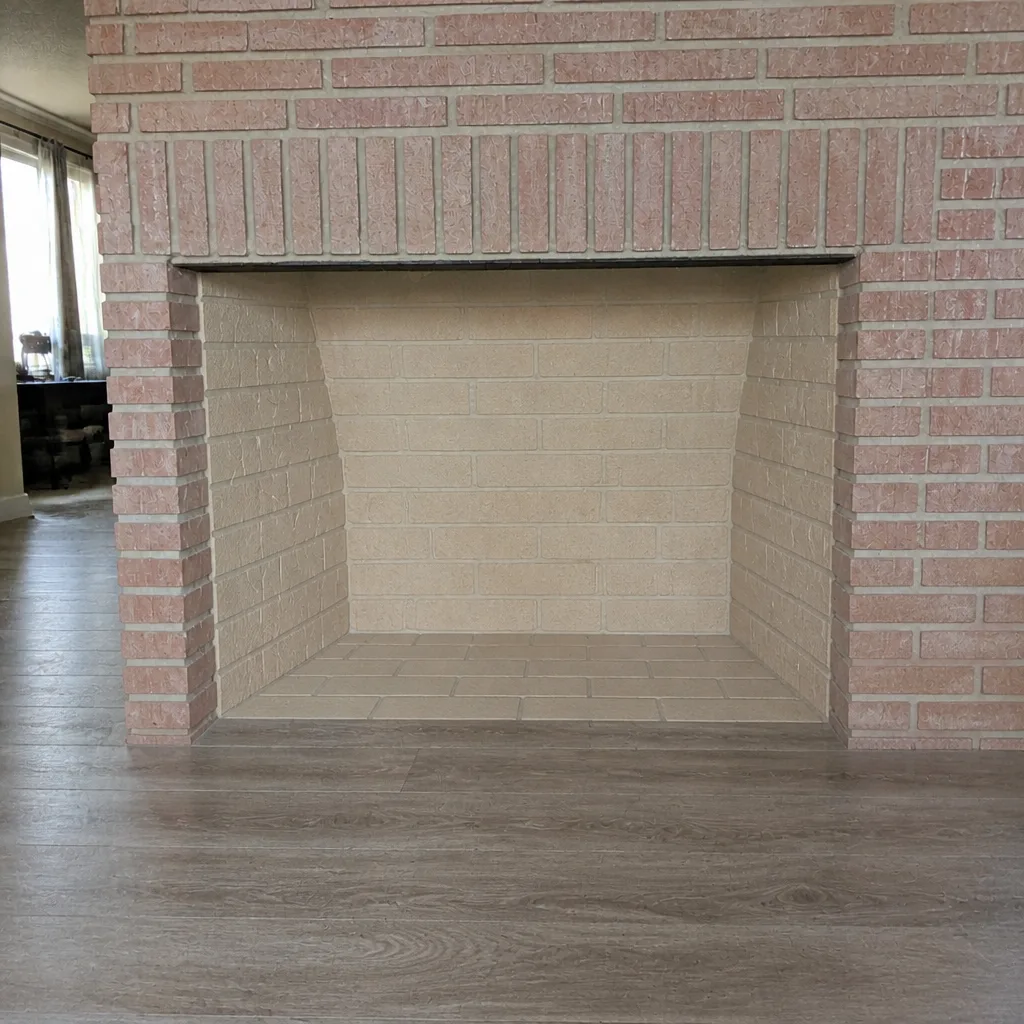
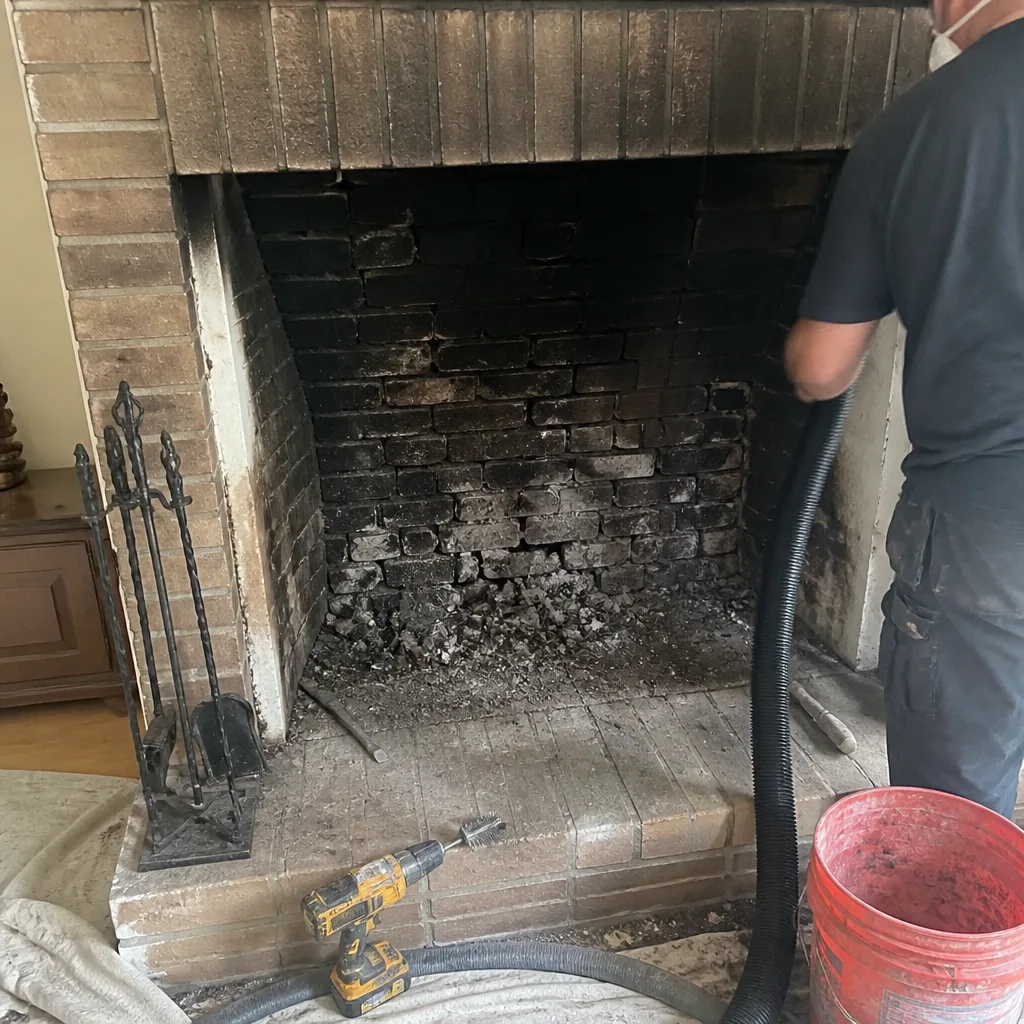
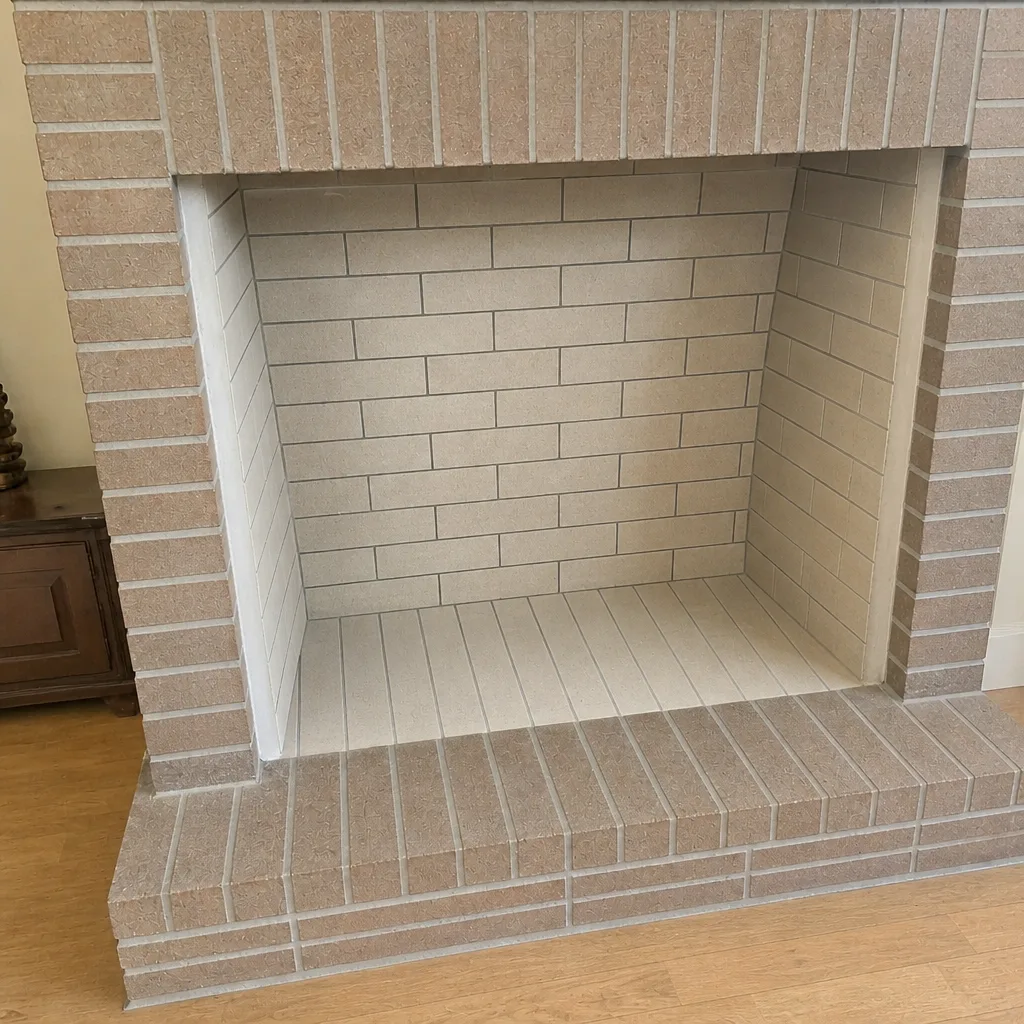
See the difference
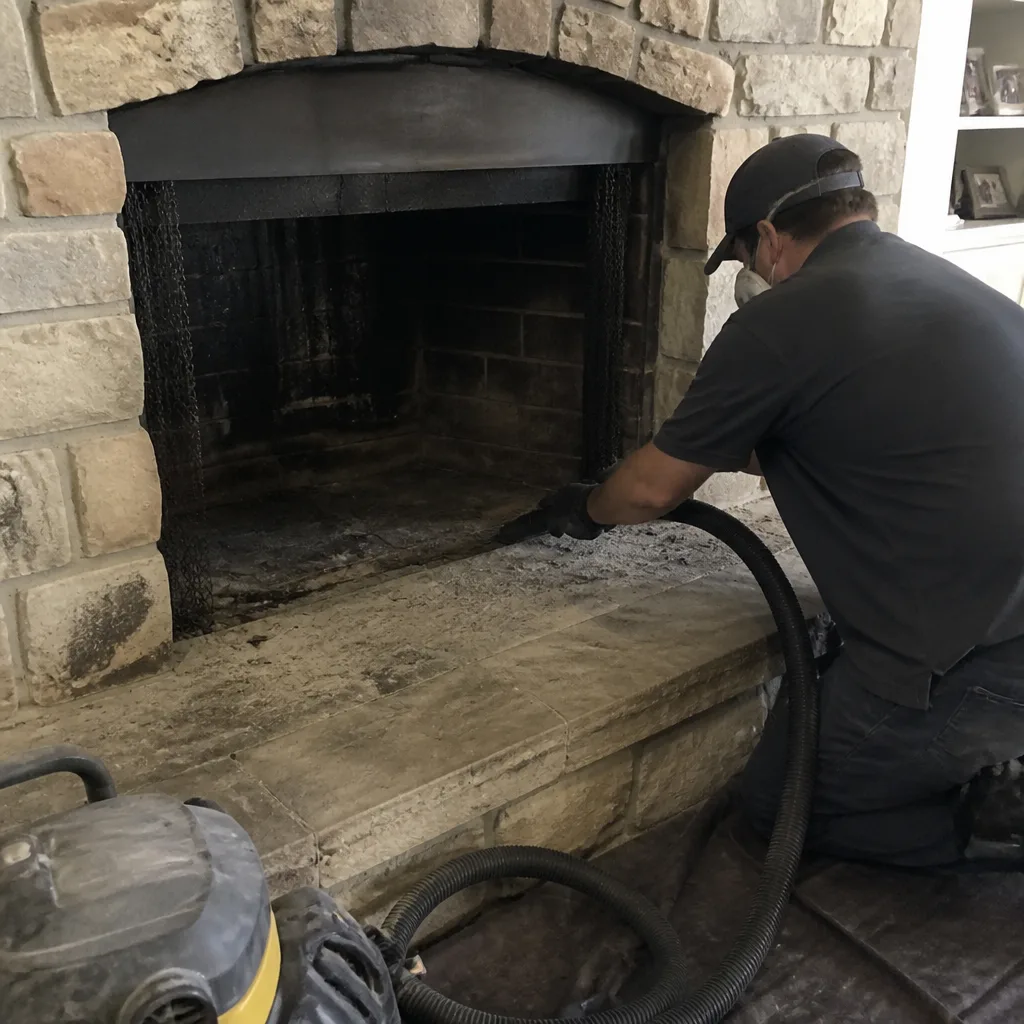 Before
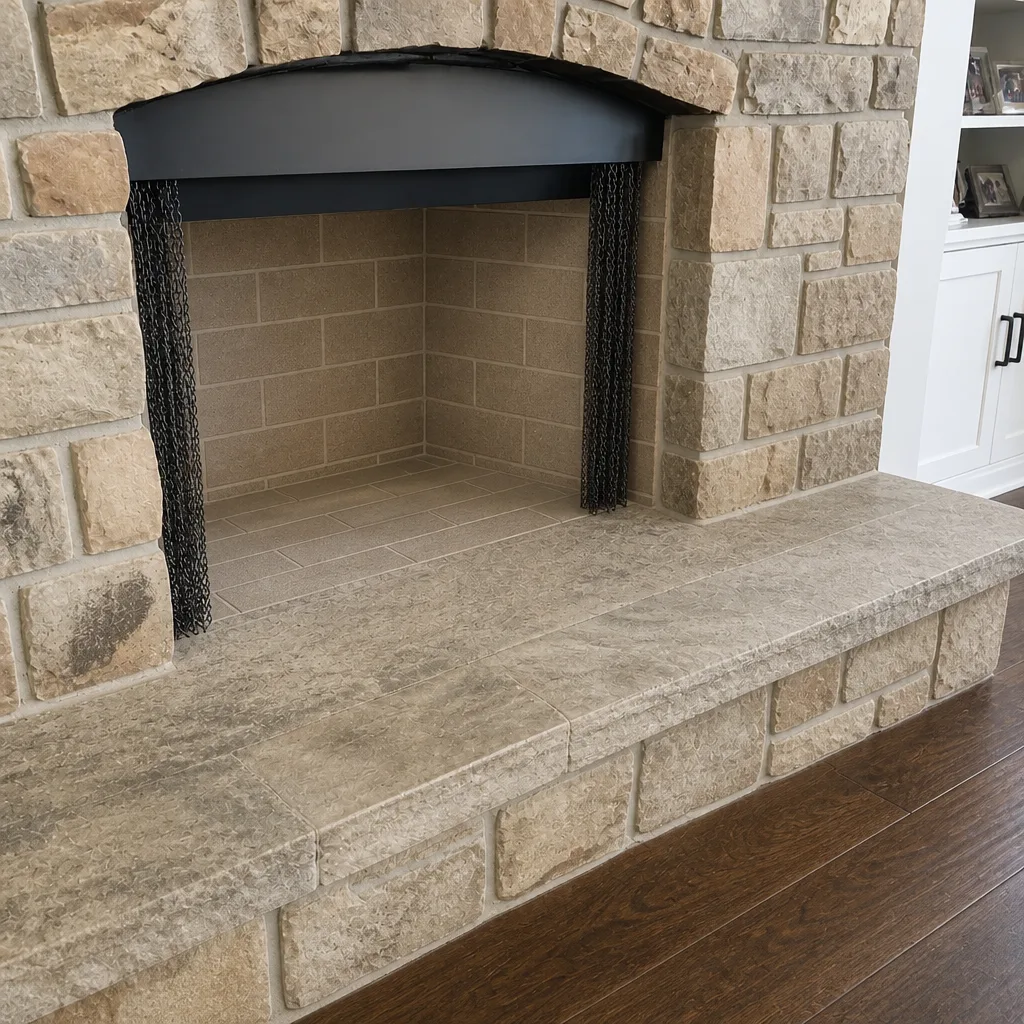 After
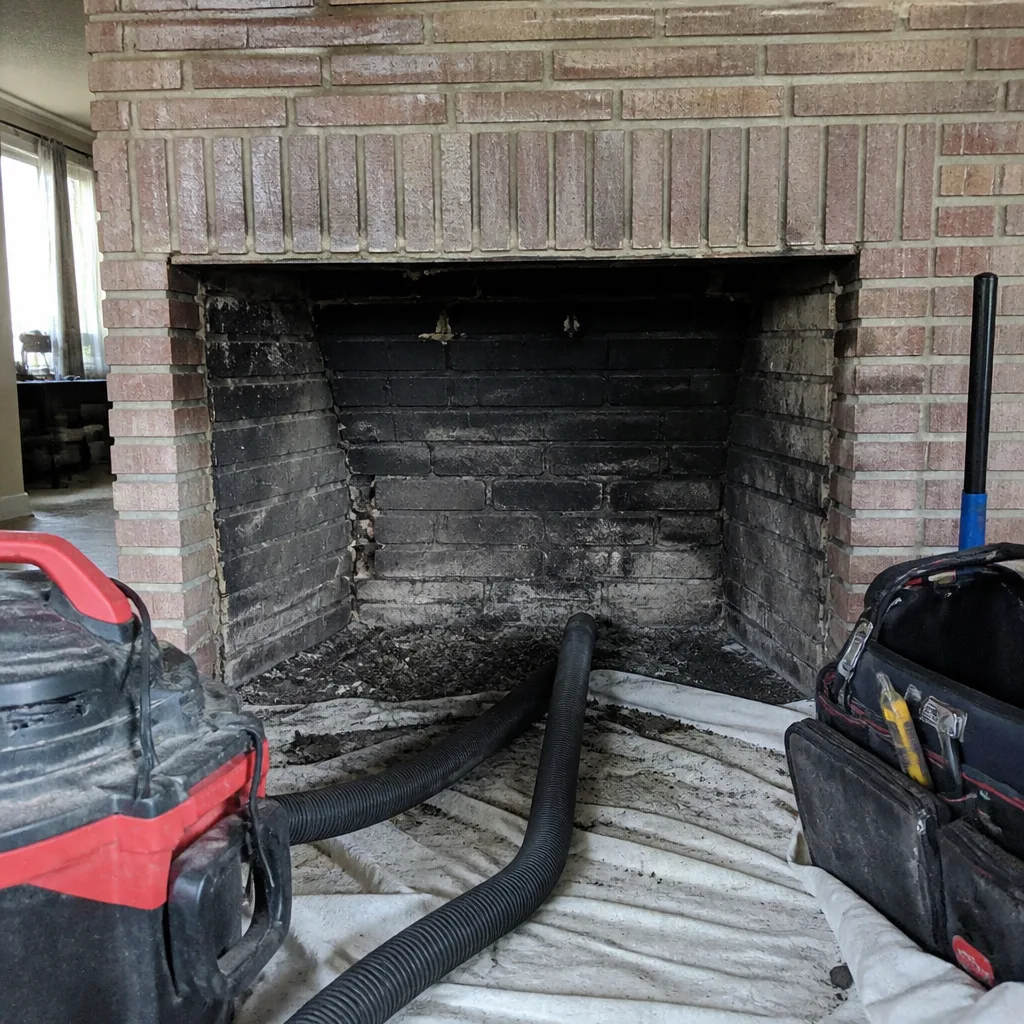 Before
 After
 Before
 After
When to Call a Professional
Some chimney work is not a homeowner project, and a few signs make that clear. Call a professional when you smell strong creosote with the fireplace off, when smoke backs into the room, when you see glazed or tar-like deposits, or when the cap or crown is damaged. Call if your home is new to you and the fireplace history is unknown, or if you haven’t had the flue inspected since the last chill of the season. And call before you burn after any chimney fire, even a small one.
Chimney Sweep Conroe offers free estimates in Conroe. Estimates are free, and the price is set per job by the written estimate. Call (888) 401-8620. We answer 24/7. Fast dispatch from 7am to 7pm, Sunday through Friday, closed Saturday.
Frequently Asked Questions
A standard chimney cleaning in Conroe is priced per job by a written estimate after we see the flue, and the estimate itself is free. Because the price depends on the liner, the amount of creosote, and whether repairs are needed, the exact figure comes from the estimate, not a flat quote over the phone. Call (888) 401-8620 for an exact quote. Estimates are free.
Not always. Many chimneys only need cleaning and a resurfacing repair, so don’t assume the worst. If the liner has cracked tiles, gaps, or a stainless section that can’t be saved, relining with a flexible stainless system like DuraFlex may be the right fix. The decision comes from what the inspection actually shows.
Once a year for a fireplace in regular use is the general rule, and Conroe homes burning pine or sweetgum may need closer attention. Homes that only burn occasionally should still get a yearly check, because humid summers and pine pollen build up deposits even when the fire count is low. Call (888) 401-8620 for an exact quote. Estimates are free.
Creosote keeps building in the flue, and at Stage 3 it glazes into a hard, flammable layer that raises the risk of a chimney fire. A blocked or damaged flue can also let carbon monoxide back up into the home. Skipping the sweep doesn’t cause a problem on a schedule, but it removes your ability to see one coming.
It’s the burst-burn pattern combined with Gulf Coast humidity. A fireplace that sits idle through a humid summer soaks moisture into the masonry, and the first fires of the season send wet, cool smoke up the flue, which condenses into thicker, tackier creosote than the dry soot of a colder, drier climate. Occasional burning actually pushes a Conroe chimney toward Stage 2 more readily than steady burning would.
For a light sooty flue, a homeowner can clear loose deposits, but the tools that match a stainless or clay tile liner are specific, and the real value is the inspection that follows. A standard brush won’t tell you if your tile is cracked or your creosote is glazed. For a safe, thorough job, have a professional sweep and inspect it.
The Bottom Line
Chimney cleaning in Conroe is a different job than a national guide would have you believe. Low-use fireplaces in a humid climate build glazed creosote faster than steady fires in colder places, pine and sweetgum leave heavier deposits than dry oak, and pine pollen settles into open flues. The fix is straightforward: book a sweep and an inspection so you know what’s inside your chimney, not just that it got brushed. A proper visit contains the mess, matches the tool to your liner, and ends with a clear explanation of what was found. Clean flue, sound liner, safe fire.
Call (888) 401-8620. We answer 24/7. Fast dispatch from 7am to 7pm, Sunday through Friday, closed Saturday. Estimates are free, and the price is set per job by the written estimate.
Written by the team at Chimney Sweep Conroe.