
Last updated November 16, 2026
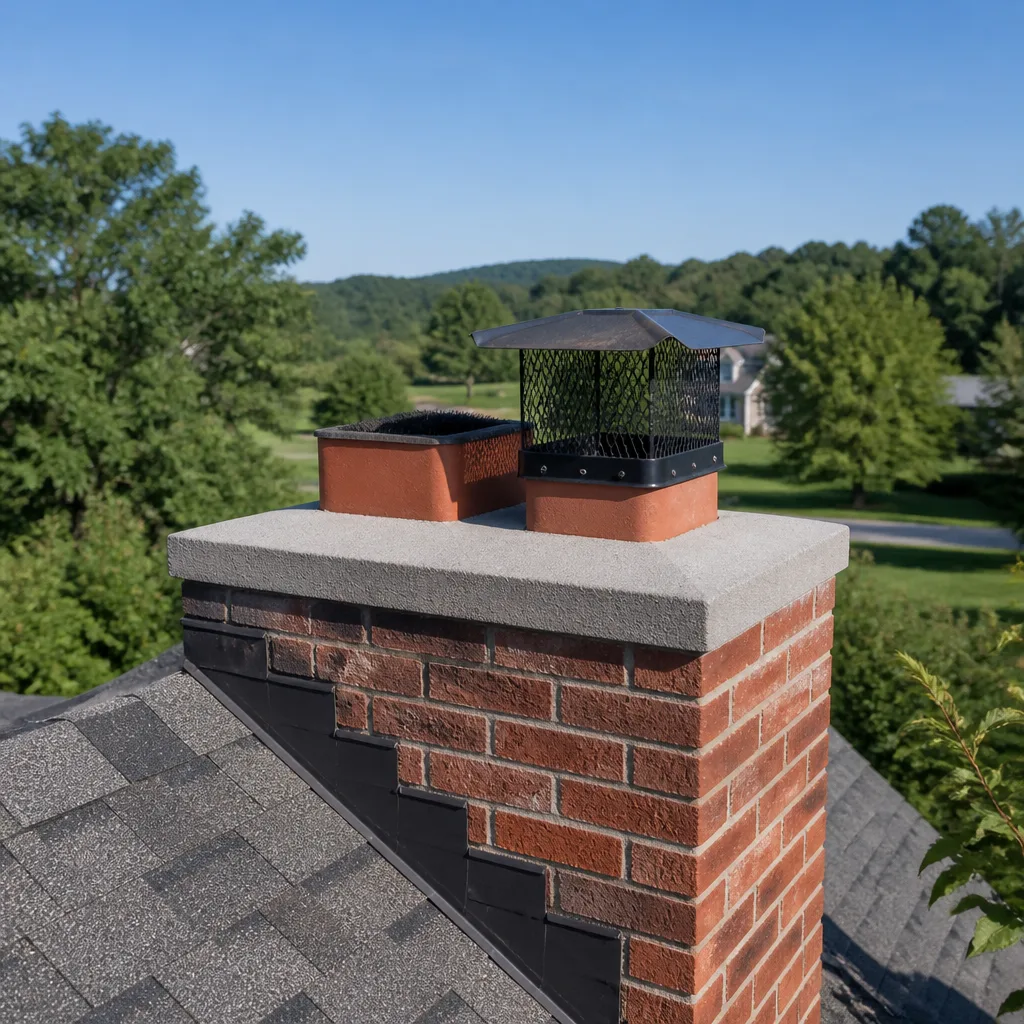 Sweep & inspection
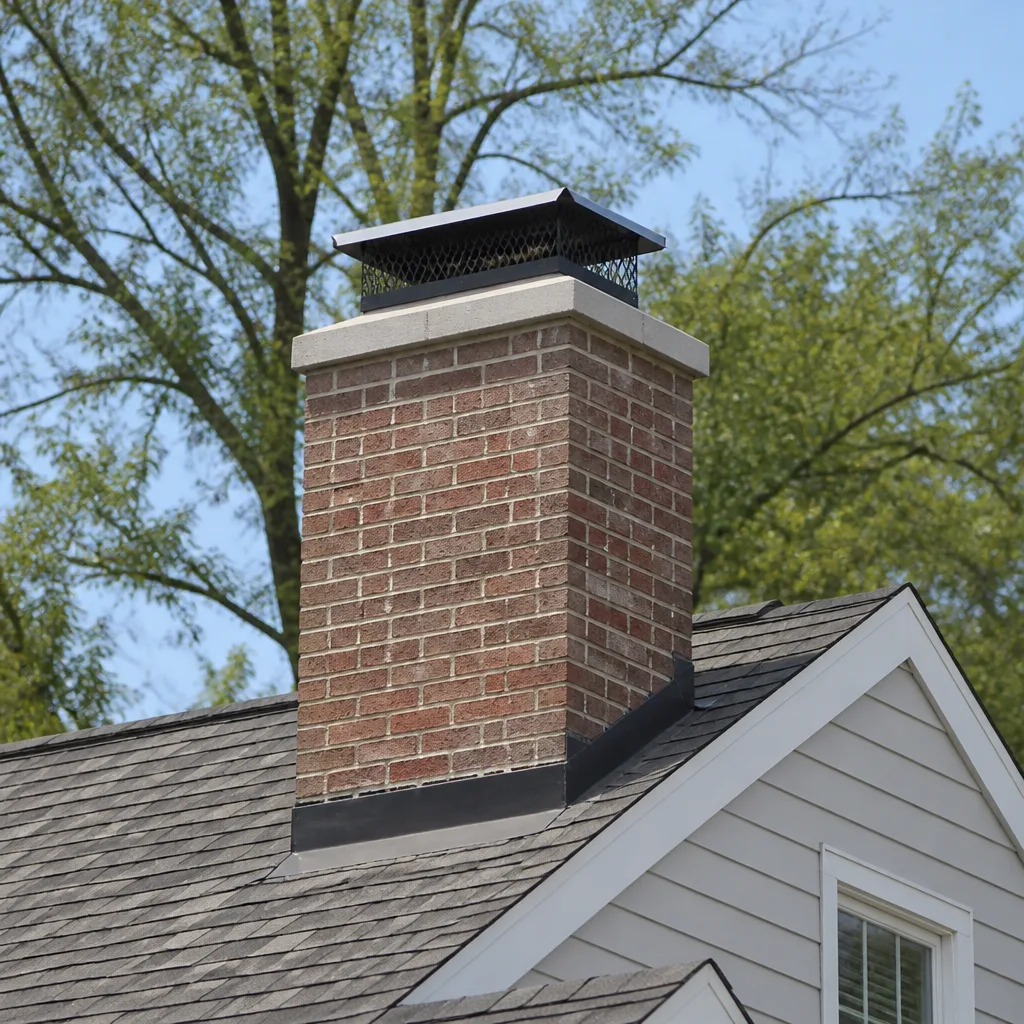 Caps & crowns
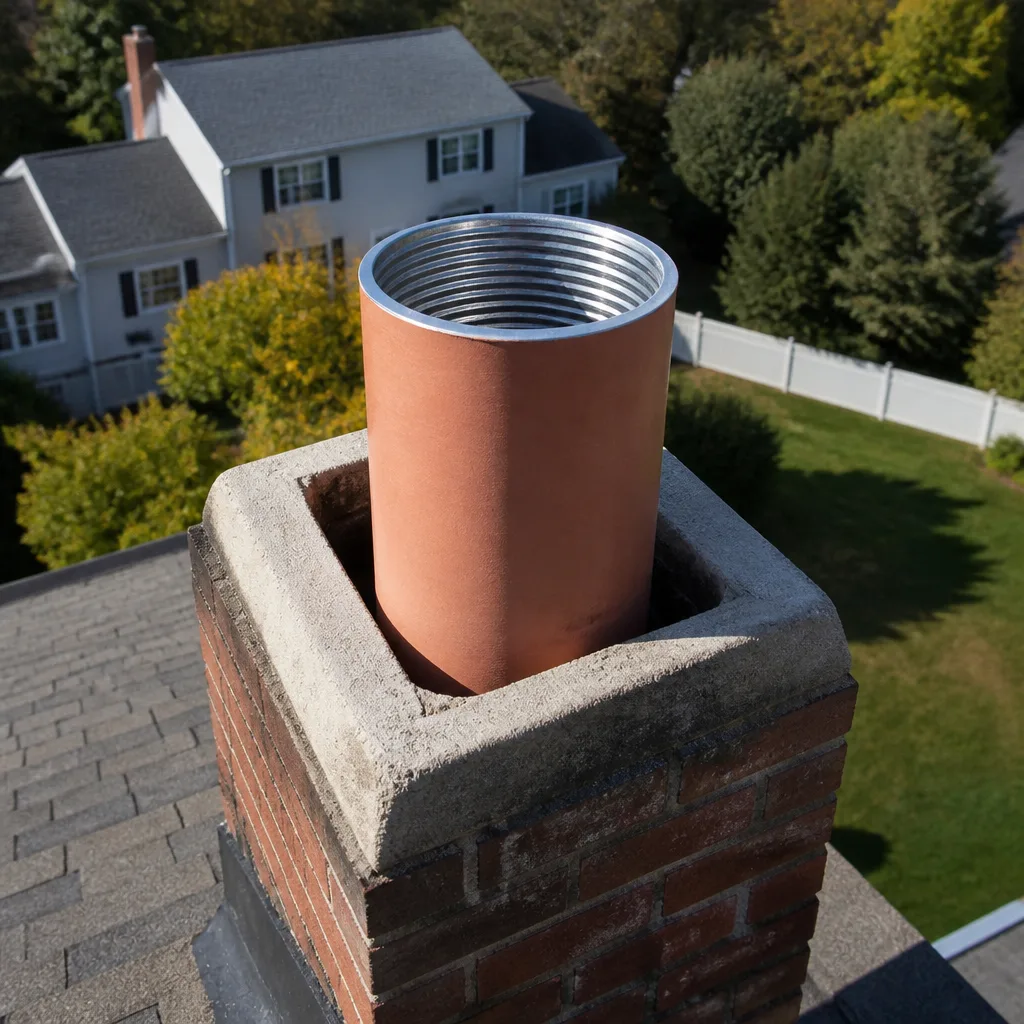 Flue relining
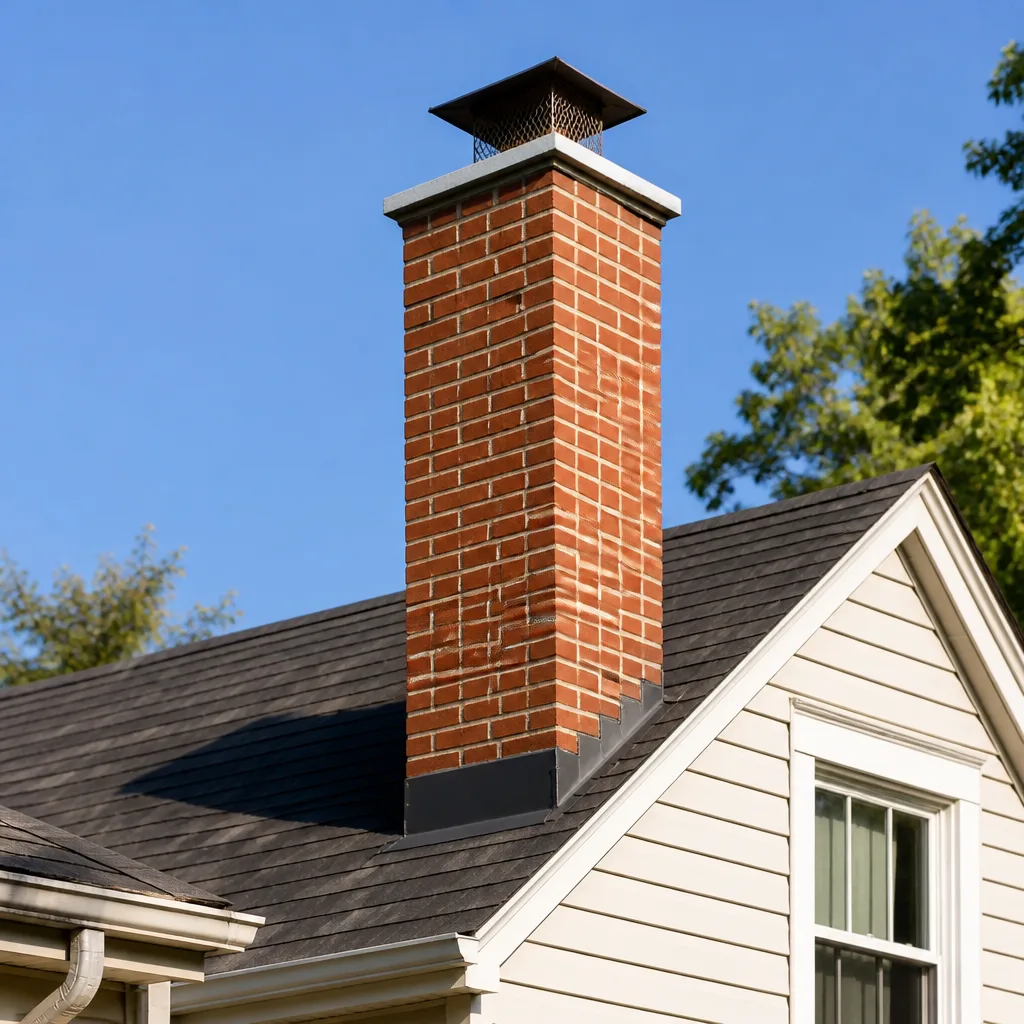 Masonry repair
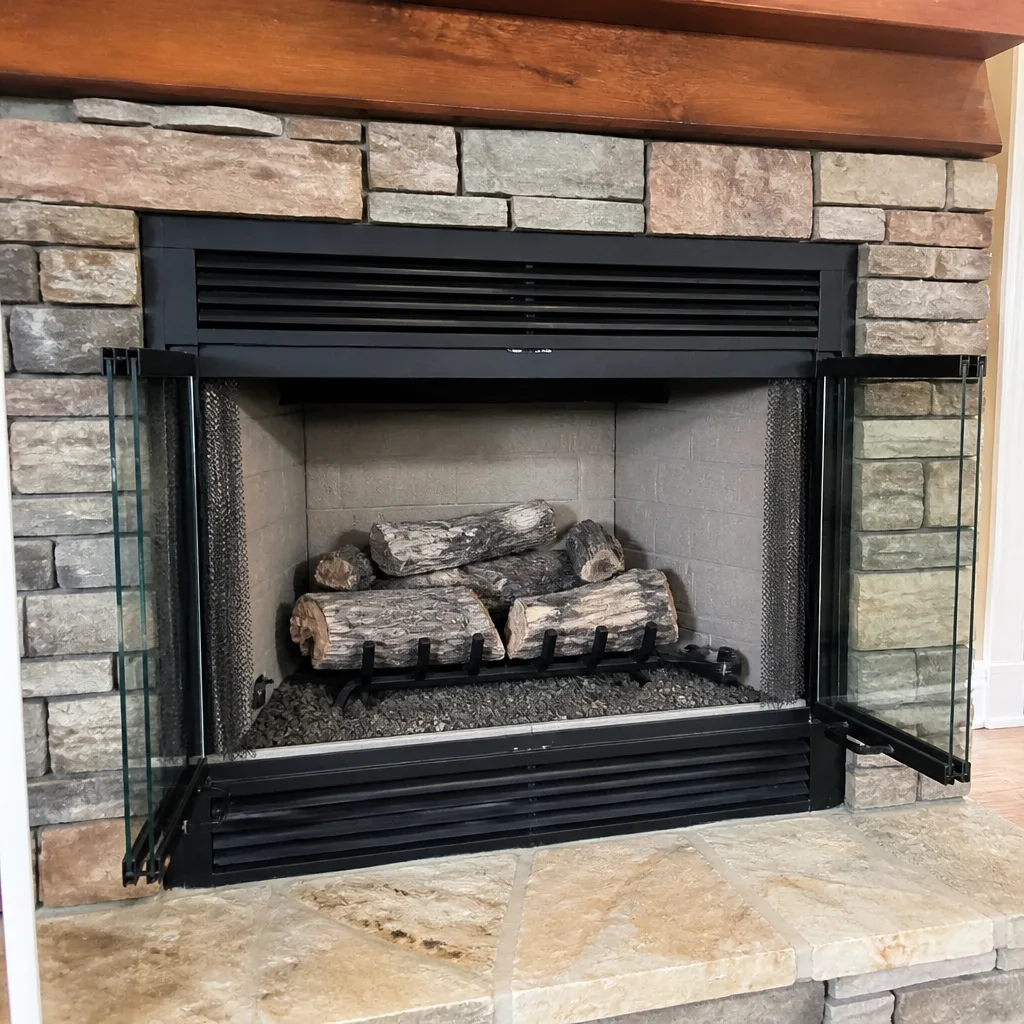 Gas fireplace service
Level 1 sweep and inspection to the NFPA 211 annual standard - flue, crown, cap, and flashing checked and photographed
Chimney sweep logs do not sweep chimneys. They loosen some creosote - which then falls where a brush and vacuum still have to collect it.
Chimney Cleaning Cost Breakdown: The Conroe Homeowner’s Reference for 2026
The $99 chimney cleaning special you see advertised around Conroe almost always turns into a $400+ visit once the technician is standing in your living room. That’s not necessarily dishonesty. It’s that $99 never covered a full cleaning in the first place. A real sweep means protecting your floors, getting on the roof or working from the firebox, brushing the full flue, pulling the creosote out of the smoke chamber, and checking the components that keep the whole system safe. The low price is an entry point, not a total. This reference breaks down what actually drives the cost of chimney cleaning in Conroe in 2026, what separates a legitimate quote from a padded one, and what a fair price looks like at each service level.
Quick Answer
A standard chimney sweep in Conroe typically runs $180 to $320 for a single flue, and a full-service visit that includes a Level 1 inspection lands around $250 to $400. A Level 2 camera inspection adds roughly $150 to $350 on its own, and common repairs like a cap replacement or crown repair fall in the $200 to $600 range depending on materials and access. The written estimate you get before any work starts is what sets the final price.
Styles & brands we work with
- Sweep & inspection
- Caps & crowns
- Flue relining
- Masonry repair
- Gas fireplace service
Table of Contents
- What Actually Drives Chimney Cleaning Cost in Conroe
- Basic Sweep vs. Full-Service Visit: What’s Included and What’s an Add-On
- How Creosote Stage Changes the Price
- 2026 Price Ranges for Conroe Chimney Services
- Level 1 vs. Level 2 Inspections: Which One You Need
- Why Professional-Grade Tools and Materials Cost More (and Why That’s Fine)
- How to Read a Chimney Quote Line by Line
- Common Mistakes to Avoid
- When to Call a Professional
- Frequently Asked Questions
What Actually Drives Chimney Cleaning Cost in Conroe
Two chimneys of identical height can cost very different amounts to clean, and the difference has almost nothing to do with how the sweep feels about the job. It comes down to a handful of physical factors that change the labor time and the tools required.
Flue height and access. A single-story ranch home in Conroe often means a shorter flue and easier roof access. A two-story home with a steep-pitched roof, a chimney on a gable end, or a flue boxed in behind siding adds setup time. Sweeps who quote over the phone without seeing the house are guessing on this part, which is one reason phone quotes and final invoices so rarely match.
Liner type. A clay tile liner, a stainless steel liner, and a cast-in-place liner all clean differently. Stainless flexible liners, like the DuraFlex systems we install, have smoother interiors that release creosote more readily. Older clay tile flues with cracked or spalled joints need gentler brushing and closer inspection. A flue that’s already been relined usually takes less time to clean than a bare masonry flue of the same height.
Creosote stage. This is the single biggest cost variable, and we cover it in detail further down. Stage 1 creosote brushes out easily. Stage 3 glazed creosote can’t be brushed off at all and changes the job from a cleaning into a repair.
Number of flues. A chimney with a fireplace flue plus a furnace flue means two cleanings. Some quotes cover one flue only, and that’s a common source of invoice surprises in Conroe.
Obstructions and debris. Nests, leaf litter, and fallen mortar can turn a routine sweep into an extraction job. Southeast Texas wildlife finds chimneys appealing, and a cap that’s been missing or damaged for a season invites the problem.
Basic Sweep vs. Full-Service Visit: What’s Included and What’s an Add-On
The single most useful skill in evaluating chimney cleaning pricing is knowing what a basic sweep covers and what a full-service visit adds. Most of the “$99 became $400” stories come from a homeowner who booked a basic sweep expecting a full-service visit.
A basic sweep typically includes:
- Drop cloths and floor protection at the firebox
- Brushing the full length of a single flue
- Removing soot and creosote from the firebox and smoke shelf
- A visual check of the firebox, damper, and accessible flue sections
- Vacuuming with a HEPA setup to contain dust
A full-service visit adds a Level 1 inspection, which is the part that tells you whether the chimney is actually safe to use:
- Everything in the basic sweep
- A Level 1 inspection of the firebox, damper, smoke chamber, flue, cap, and crown
- Checking for cracked tiles, gaps in the mortar, and signs of water intrusion
- A written report with photos of anything that needs attention
Legitimate add-ons include a Level 2 camera inspection (worth it when you’ve had a chimney fire, changed fuel types, or bought a home with an uninspected fireplace), cap replacement, crown repair, and damper work. Add-ons that should raise a question: “creosote treatment” charged before anyone has looked at the flue, “sanitizing” as a separate line on a routine cleaning, or an inspection fee billed after you’ve already paid for a full-service visit. If a technician tells you the flue needs a liner within five minutes of arriving, before any camera work, slow the conversation down.
How Creosote Stage Changes the Price
Creosote is the residue that condenses inside a flue when wood smoke cools. It builds up in three recognizable stages, and each stage moves the job a step further from “cleaning” toward “repair.”
- Stage 1: Sooty, flaky, brushes off easily. This is the routine case. A standard sweep handles it, and pricing stays in the normal range.
- Stage 2: Hard, crusty, and sticky. It takes more passes with stiffer brushes and more time. Pricing creeps toward the top of the normal range, and the sweep will want to check whether the buildup flattened against the liner.
- Stage 3: Glazed, shiny, and hardened like glass. Brushing won’t remove it. This stage raises real safety concerns because it’s the most combustible form of creosote, and it calls for specialized removal methods or, in advanced cases, relining.
Three things accelerate creosote buildup in the Conroe market specifically. First, burning unseasoned or “green” firewood. Wood that hasn’t dried properly produces more smoke, and more smoke means more condensation. Second, smoldering fires. A damped-down fire burns cool and smoky, and cool smoke deposits more creosote than a hot fire. Third, burning paper, cardboard, or construction scraps, which produce fly ash that binds with creosote. A fireplace used heavily through a mild Southeast Texas winter can move from one stage to the next in a single season. If your fires produce visible smoke rolling back into the room, or the glass doors blacken quickly, that’s a sign to get the flue looked at sooner rather than later.
2026 Price Ranges for Conroe Chimney Services
Here’s what chimney services typically cost in the Conroe market going into 2026. These are estimated ranges based on standard single-flue residential work. The written estimate you get on-site sets the final price, and nothing should be added to it without your approval.
- Standard chimney sweep (single flue): $180-$320
- Full-service sweep with Level 1 inspection: $250-$400
- Each additional flue cleaned: $80-$150
- Level 2 camera inspection: $150-$350
- Chimney cap replacement (standard): $200-$450
- Custom or oversized cap: $350-$650
- Crown repair (minor): $250-$450
- Crown rebuild: $500-$900
- Damper replacement: $250-$500
- Liner relining (per foot, stainless): $35-$85
- HeatShield resurfacing (per section): $200-$500
Some context for those numbers. A single-story brick home in Conroe with a straight flue and one fireplace is the easiest case, and it lands near the bottom of every range. A two-story home on a slope, a chimney with a gable-end cap, or a flue with a cracked tile section pushes toward the top. If you’ve recently bought a home with a fireplace you’ve never used, a Level 2 inspection is money well spent before you burn anything. If you’re comparing a handful of quotes, ask each one whether the price covers one flue or all flues, and whether the inspection is a Level 1 visual or a Level 2 with a camera. Those two details alone explain most of the gap between the cheapest quote and the highest one.
Level 1 vs. Level 2 Inspections: Which One You Need
Chimney inspections come in three recognized levels, and most homeowners only ever need the first two. Knowing which one applies to your situation prevents both overspending and false reassurance.
Level 1 is a visual inspection of readily accessible components: firebox, damper, smoke chamber, flue from the top and the bottom, cap, and crown. It’s the standard inspection included with a full-service cleaning, and it’s what you want on a routine annual or seasonal basis if nothing about your setup has changed.
Level 2 adds a camera run through the flue to examine the interior of the liner, including sections you can’t see from either end. It’s recommended after a chimney fire, after a home purchase, after a change in fuel type or appliance, after a seismic or weather event that may have shifted the chimney, or whenever a Level 1 turns up something that needs a closer look. The camera catches things a visual can’t: hairline cracks in tiles, offset joints, gaps in a stainless liner, and separation between the liner and the crown.
Level 3 is a diagnostic inspection that involves removing parts of the chimney or structure to access concealed areas. It’s rare in routine residential work and usually only comes up when a specific problem has been identified.
In our experience, the Level 2 camera inspection is also what settles the “do I really need a new liner?” question. You can see the interior of the flue on the camera image yourself, which means the recommendation either holds up or it doesn’t. That’s the standard we hold ourselves to: nothing gets recommended that isn’t backed by camera evidence the homeowner can see. If a sweep won’t show you the footage, ask why.
Why Professional-Grade Tools and Materials Cost More (and Why That’s Fine)
Part of what you’re paying for in a fair chimney quote is the materials and tooling. Two sweeps can arrive with the same brushes and drop cloths and be working with very different liners, caps, and resurfacing products. The gap in quality shows up years later, not on the invoice.
Here’s how we think about materials in Conroe:
- Liners. We specify DuraFlex stainless flexible liner systems for relining work. These are the products chimney professionals specify by name rather than a generic equivalent, because the liner is the component that keeps combustion gases inside the flue for the life of the chimney.
- Resurfacing. We use HeatShield for chimney resurfacing and liner repair. It’s a cast-in-place repair system that rehabilitates damaged flue interiors without a full reline when the damage is moderate. When a liner can be repaired rather than replaced, that matters to the homeowner’s budget.
- Caps and dampers. Famco and Copperfield products show up in the mechanical parts of a chimney: caps that keep rain and wildlife out, top-sealing dampers that seal the flue when the fireplace is idle. These are the finish details a lot of sweeps overlook.
- Repair supply lines. Olympia Chimney and Gelco give us access to a broad parts ecosystem for less common fixes, which means fewer jobs get deferred because a specific component is hard to source.
The trade-off is real: a $200 cap built from lighter materials may need replacing in a couple of seasons, while a Famco or Copperfield cap built for the long haul costs more upfront and lasts. For the flue liner, the gap matters far more. An off-brand liner with thinner walls can fail years sooner than a DuraFlex system, and liner failure is not a small problem. The cost of doing it right once is consistently lower than the cost of doing it twice.
How to Read a Chimney Quote Line by Line
A chimney quote is only as useful as it is clear. Here’s how to read one, starting with the parts that should always be itemized and ending with the parts that should raise a question.
- Confirm the scope in writing. The quote should say “single flue” or “two flues” and name each component covered: firebox, smoke chamber, flue, cap, crown, damper. If it just says “chimney cleaning,” ask what’s included.
- Check whether the inspection is Level 1 or Level 2. The price should reflect which one. A full-service visit includes Level 1. A Level 2 is usually a separate line.
- Look for a per-item breakdown of repairs. A cap should be listed separately from the sweep, with the cap model or brand named, and labor broken out. So should crown repair and damper work.
- Confirm whether the estimate is free and what triggers a change. The written estimate sets the final price. If the technician finds something unexpected, they should stop and re-quote before doing the work, not add a line at the end.
- Ask whether photos are included. A report with photos from the camera inspection is standard for a competent full-service visit.
- Bundle what makes sense and itemize what doesn’t. Sweep plus inspection belongs as a single bundled price. Repairs, cap replacements, and liner work should each be their own line, so you can approve or decline each one.
A few patterns worth flagging. A quote that includes “creosote treatment” before anyone has inspected the flue is charging for a problem they haven’t verified. A quote that prices the liner at the same time as the sweep, without a camera inspection, is guessing at scope. And a quote that lists an inspection fee on top of a full-service visit when the visit was supposed to include Level 1 is double-billing. These aren’t always dishonest, but they’re worth a question every time.
Common Mistakes to Avoid
- Booking the $99 special and expecting a full cleaning. A $99 visit covers a basic single-flue sweep, and it may not include an inspection at all. If that’s what you want, fine, but understand what you’re buying. The add-ons that follow aren’t the surprise; the expectation was.
- Inviting a sweep before the technician arrives to sell you a liner. The order matters. A liner should be recommended after a camera inspection has shown a problem, not before. If a technician arrives with a conclusion already formed, ask to see the footage.
- Skipping the inspection because the sweep was cheap. A clean flue isn’t the same as a safe flue. Cracks, offset tiles, and gaps in the crown don’t show up in a soot-free flue, and they can turn a routine cleaning into a false sense of security.
- Burning unseasoned wood through a Conroe winter. The humidity here means firewood needs to be split and stacked under cover for a full season before it’s dry enough to burn cleanly. Wet wood is the most common cause of rapid creosote buildup in this area.
- Waiting until the chimney is smoking into the room before calling. Smoke rolling back into the firebox is usually a sign of a partial blockage, a damper issue, or a pressure problem, and it always gets more expensive to fix the longer it goes unaddressed.
- Assuming a home inspection covered the chimney. Standard home inspections often don’t include a chimney camera run. If you recently bought a home with a fireplace, check what the inspection covered before you light the first fire.
- Comparing quotes without comparing scope. The cheapest quote and the most expensive quote often look identical on the invoice line and very different in what they cover. Level 1 vs. Level 2, one flue vs. two, brand name vs. no name: those differences are the price.
When to Call a Professional
Not every chimney visit is an emergency, and part of what we bring to a job is telling you honestly when something can wait. Call when you’re seeing smoke rolling back into the room, when you notice a strong chemical or creosote smell even with the fireplace off, when the glass doors blacken unusually fast, or when you haven’t had the chimney looked at since you bought the home. Call after any chimney fire, even a small one, because the liner needs a camera inspection to confirm it held. And call after storms if you notice displaced cap sections or leaves and debris in the firebox.
Chimney Sweep Conroe offers free estimates in Conroe. We inspect it and we fix it, which means a discovery during a sweep doesn’t get handed off to another company and a second visit. Call (888) 401-8620. We answer 24/7. Fast dispatch from 7am to 7pm, Sunday through Friday.
Frequently Asked Questions
A standard chimney sweep in Conroe typically costs $180 to $320 for a single flue, and a full-service visit with a Level 1 inspection runs $250 to $400. The written estimate you receive before work begins sets the final price. Call (888) 401-8620 for an exact quote; estimates are free.
Only if a camera inspection has shown damage that a repair can’t fix. Hairline cracks, offset joints, and gaps between liner sections do require relining, but damage within the moderate range can often be rehabilitated with a resurfacing system like HeatShield rather than a full reline. Nothing should be recommended to you without camera evidence you can see for yourself. If a sweep won’t show you the footage, ask why. Call (888) 401-8620 for an inspection quote; estimates are free.
A chimney should be swept once a year when you use the fireplace regularly, and more often if you burn heavily through the winter. The right interval depends on how much you burn, what you burn, and how the flue is built. A chimney that’s seen heavy use with damped-down fires may need a mid-season cleaning, while a lightly used fireplace can often go a full season between visits. If you’re not sure, a Level 1 inspection will tell you whether you’re due. Call (888) 401-8620 for a free estimate.
Creosote keeps accumulating with every fire, and the more that builds up, the higher the risk of a chimney fire and the higher the risk that the chimney can’t draft properly. Beyond the safety risk, a blocked or partially blocked flue can push combustion gases back into the living space, which is a carbon monoxide concern. A mild Conroe winter still means months of regular fireplace use, and that’s enough time for Stage 1 buildup to move toward Stage 2. Call (888) 401-8620 for an assessment; estimates are free.
Level 1 is right for a routine checkup on a chimney with no known problems. Choose Level 2 if you’ve had a chimney fire, bought a home with an uninspected fireplace, changed fuel types, or a Level 1 turned up something that needs a closer look. The camera run is what lets you see the interior of the liner for yourself. Call (888) 401-8620 to book an inspection; estimates are free.
Three things usually explain the gap: the cheaper quote covers one flue while the higher one covers two, the cheaper quote is a basic sweep while the higher one includes a Level 1 inspection, or the cheaper quote uses off-brand materials while the higher one names DuraFlex, HeatShield, Famco, or Copperfield. Comparing quotes without comparing scope is how a $99 quote and a $300 quote end up costing the same. Call (888) 401-8620 for a written estimate that itemizes what you’re paying for; estimates are free.
The Bottom Line
Chimney cleaning in Conroe is a market with a wide price range because the scope behind those prices is so varied. A basic sweep at $180 to $320 covers one flue and a thorough cleaning. A full-service visit at $250 to $400 adds the inspection that tells you whether the chimney is safe. A Level 2 camera inspection at $150 to $350 answers the questions a visual can’t, and repairs like caps and crowns sit on their own lines. The written estimate is what makes those numbers trustworthy; without it, every quote is a guess about scope. Know exactly what’s inside your chimney before you burn again, and don’t let a cheap quote decide what gets skipped.
If you’re in Conroe and want a straight answer about the state of your chimney, Chimney Sweep Conroe offers free estimates. We work with professional-grade brands including DuraFlex, HeatShield, Famco, and Copperfield, and we inspect it and fix it so there’s no handoff between discovery and resolution. Browse our Chimney Sweep Conroe page for the full service overview, or go straight to chimney sweep services, chimney repair work, and our Conroe service page. Call (888) 401-8620. We answer 24/7. Fast dispatch from 7am to 7pm, Sunday through Friday.
Written by the team at Chimney Sweep Conroe.
See the difference
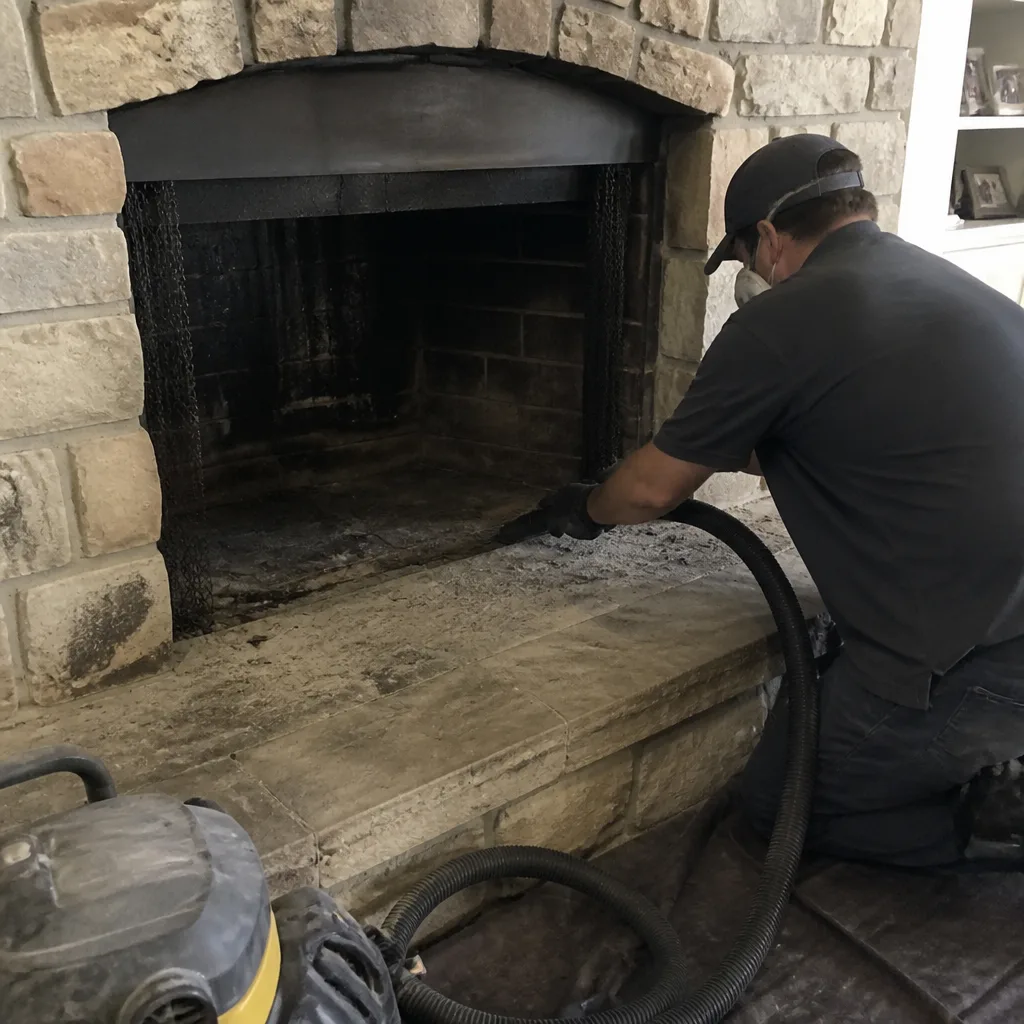 Before
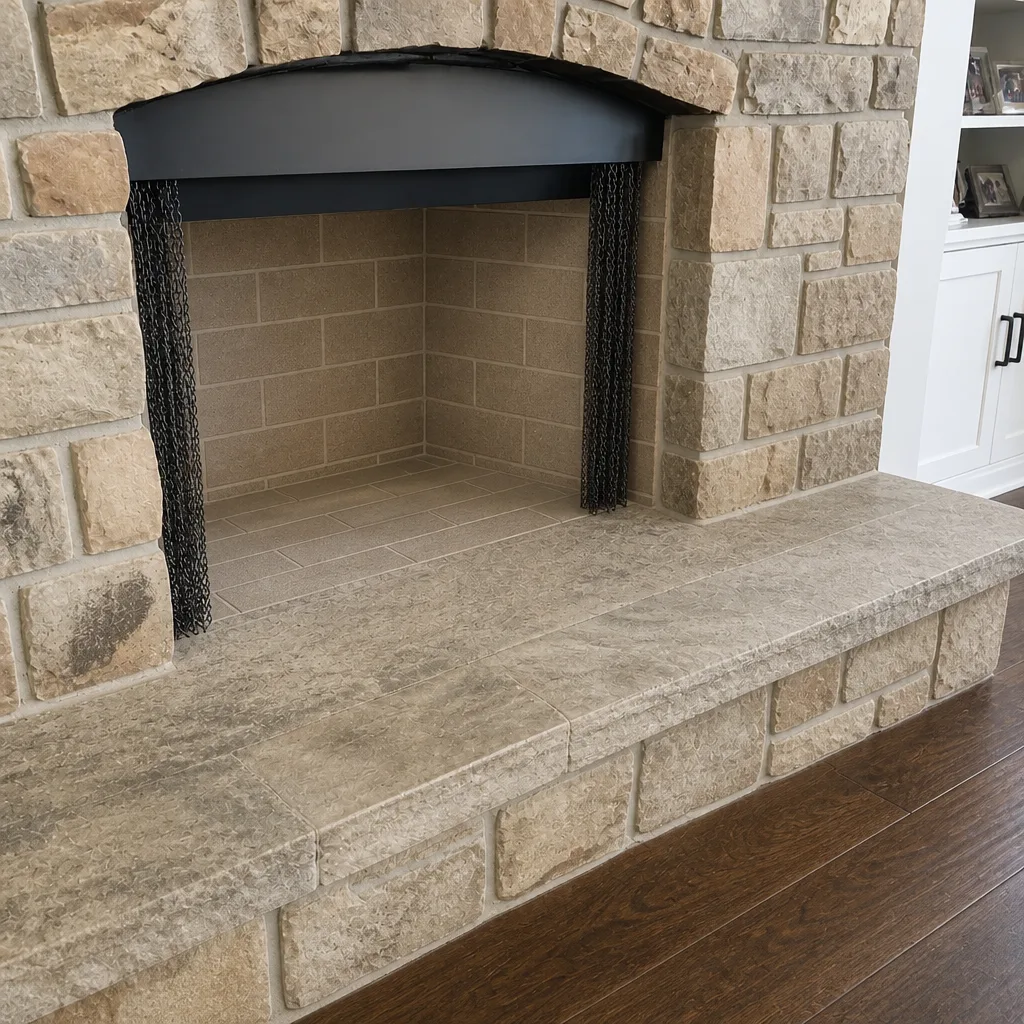 After
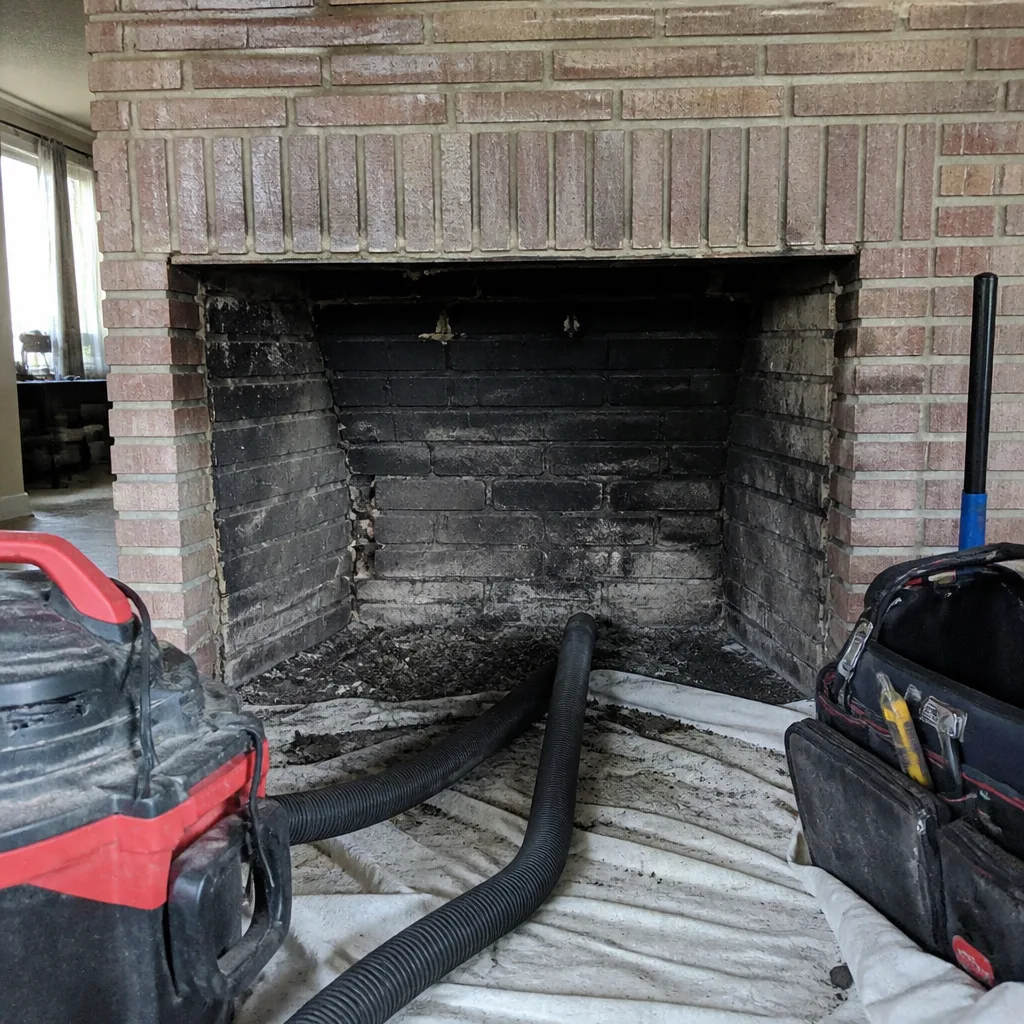 Before
 After
 Before
 After